Why Some Spaces Feel Safe Before We Know Why
Have you ever stepped into a home and felt an almost immediate sense of relief? Your shoulders soften, your breathing slows, and everything around you seems a little quieter. Nothing dramatic has happened. The room simply feels like a place where you can exhale. That’s the fascinating psychology of a cozy home, and it’s something we experience long before we notice the paint color, furniture, or decor.
While it’s easy to assume that cozy homes are created by soft blankets, warm lighting, or beautiful styling, the feeling runs much deeper than appearances. Our minds are constantly taking in subtle cues from the spaces around us, quietly deciding whether an environment feels calm, welcoming, and comfortable. Many of those signals happen so quickly that we aren’t even aware we’re noticing them.
The most inviting homes don’t necessarily have the newest furniture or the most expensive finishes. Instead, they create an atmosphere that feels familiar, balanced, and effortless to be in. They gently encourage us to slow down, settle in, and stay awhile.
In this article, we’ll explore the psychology of a cozy home and uncover the hidden design principles that make certain spaces feel safe before we can even explain why. Once you begin to recognize these subtle details, you’ll start seeing your own home through an entirely new lens.
Our Brains Are Always Reading a Room
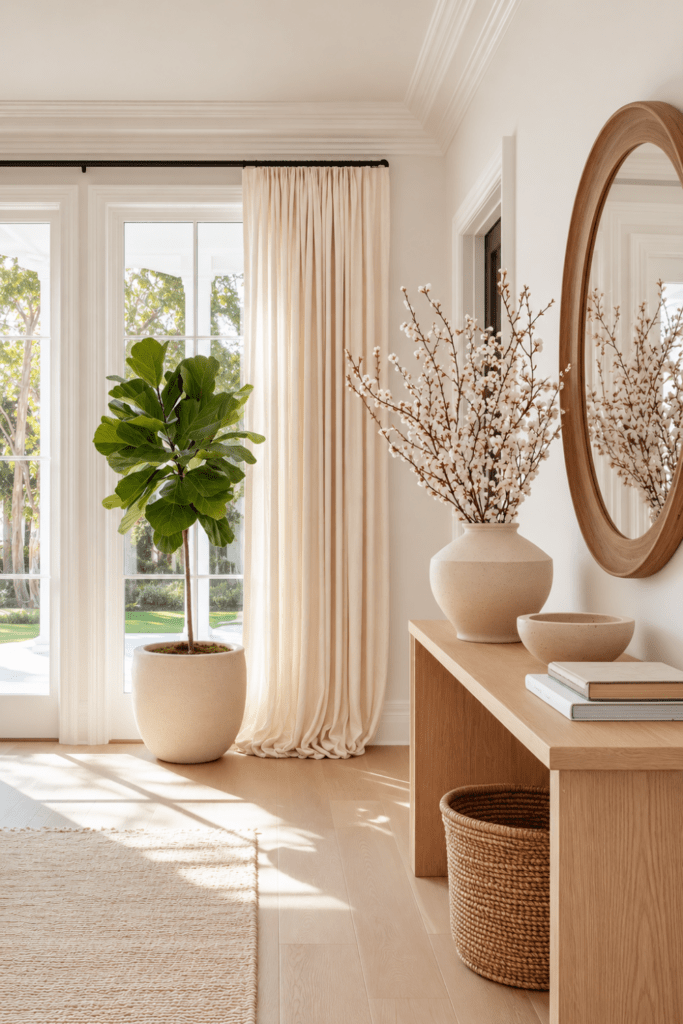
Have you ever stepped into a space and instantly felt yourself relax without knowing exactly why? Before we consciously notice the furniture, paint color, or decor, our brains are already taking in hundreds of tiny details. They quietly assess the environment, looking for clues that help us decide whether a space feels calm, comfortable, and easy to be in.
This is one of the core ideas behind the psychology of a cozy home. Environmental psychology shows that our surroundings influence how we think and feel, often without us realizing it. A room that feels visually organized, balanced, and easy to understand allows the mind to settle. On the other hand, spaces that feel cluttered, overly busy, or difficult to navigate can subtly encourage our attention to keep scanning, making it harder to fully relax.
To create a room that immediately feels more calming:
- Keep pathways open so it’s easy to move naturally through the space.
- Group furniture into intentional arrangements that make conversation and relaxation feel effortless.
- Reduce unnecessary visual clutter by displaying fewer, more meaningful decorative pieces.
- Use layered lighting instead of relying on a single bright overhead fixture.
- Leave a little empty space on shelves, tables, and countertops to give the eye places to rest.
- Arrange furniture in a way that feels balanced rather than crowded or overly symmetrical.
The goal isn’t to create a perfectly styled room. It’s to create a space that feels easy to understand the moment you walk through the door. When nothing competes for your attention, your mind has permission to slow down.
Styling Note: If a room feels slightly overwhelming, try removing one or two decorative objects before buying something new. Often, creating a sense of calm is less about adding beauty and more about allowing the beauty that’s already there to breathe.
Familiar Objects Tell Us We Belong
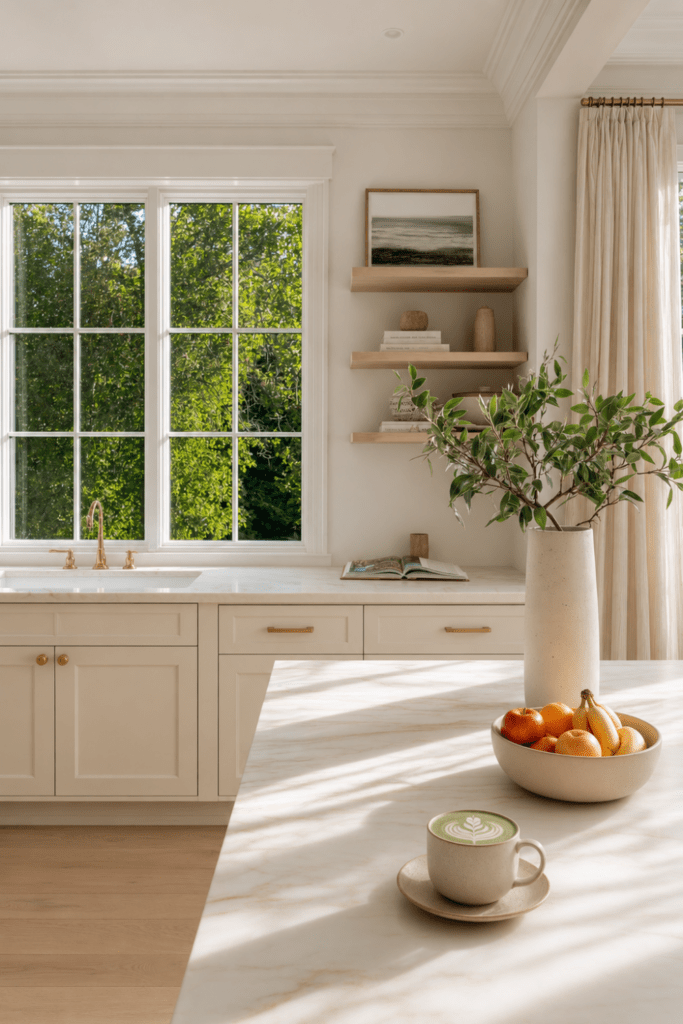
A truly cozy home isn’t just comfortable because of the furniture or color palette. Often, it’s the little things we’ve come to associate with peace that make a space feel emotionally supportive. A favorite reading chair, a handmade ceramic mug, a well-loved throw blanket, or the books you’ve reached for time and again all become quiet reminders that you’re home. This is one of the reasons the psychology of a cozy home is so powerful. Our surroundings hold memories, and over time, those memories become part of how we experience a space.
Psychologists have long observed that familiarity helps us feel more at ease. When we recognize the objects around us and know how they fit into our daily lives, our minds don’t have to work as hard to interpret the environment. Instead, the room feels welcoming, predictable, and deeply personal. That’s why the most comforting home design often isn’t the trendiest. It’s the one that reflects the rhythms, rituals, and stories of the people who live there.
To create a home that feels deeply familiar:
- Display meaningful objects that remind you of special moments instead of filling shelves with trendy decor.
- Keep favorite books, blankets, or ceramics where you naturally reach for them every day.
- Choose natural materials like wood, linen, and stone that develop character over time.
- Repeat colors, textures, or decorative pieces you genuinely love throughout your home to create a sense of continuity.
- Create a daily ritual around one cozy corner, whether it’s morning coffee, reading, journaling, or quiet reflection.
- Allow your home to show signs of being lived in rather than striving for picture-perfect styling.
The rooms that stay with us long after we’ve left them aren’t always the most beautifully decorated. More often, they’re the ones that make us feel recognized, welcomed, and completely at ease. When your home reflects your own memories and daily rituals, it becomes more than a beautiful place to live. It becomes a place where you truly belong.
Styling Note: Instead of asking, “What should I buy next?” try asking, “What already makes this house feel like home?” Those familiar pieces are often the ones that create the deepest sense of comfort.
A Safe-Feeling Home Balances Shelter and Openness
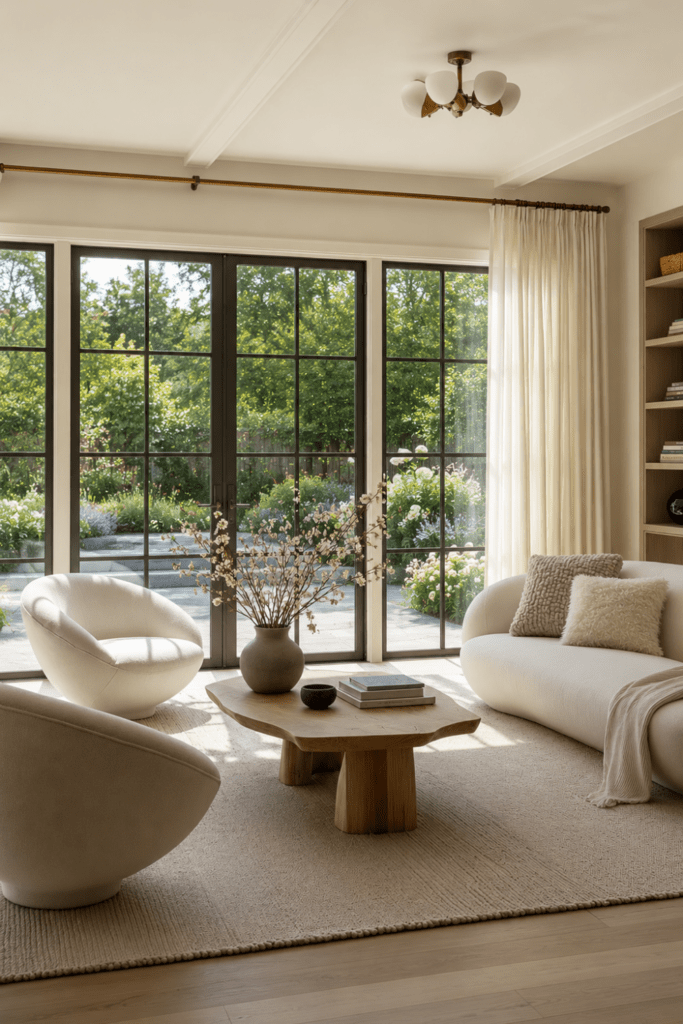
Think about your favorite place to relax. Chances are, it isn’t in the middle of a large, empty room. It’s probably tucked into a cozy reading nook, gathered around a fireplace, or positioned beside a window where you can look out into the landscape. We naturally seek spaces that offer both a sense of protection and a connection to the world around us. That’s one of the reasons certain homes feel like a true sanctuary at home.
Environmental psychologists have found that people often feel most comfortable in spaces that provide a balance of refuge and openness. We like having a protected place to sit while still being able to see the room or enjoy a view outdoors. This subtle balance helps a space feel secure without becoming confining. It’s one of the qualities that gives restorative interiors their calming presence and makes a home feel protective instead of restrictive.
To create a home that feels both sheltered and open:
- Position seating so it faces the room or a beautiful outdoor view instead of leaving your back exposed.
- Create cozy zones with area rugs, lighting, or furniture arrangements that define smaller gathering spaces within larger rooms.
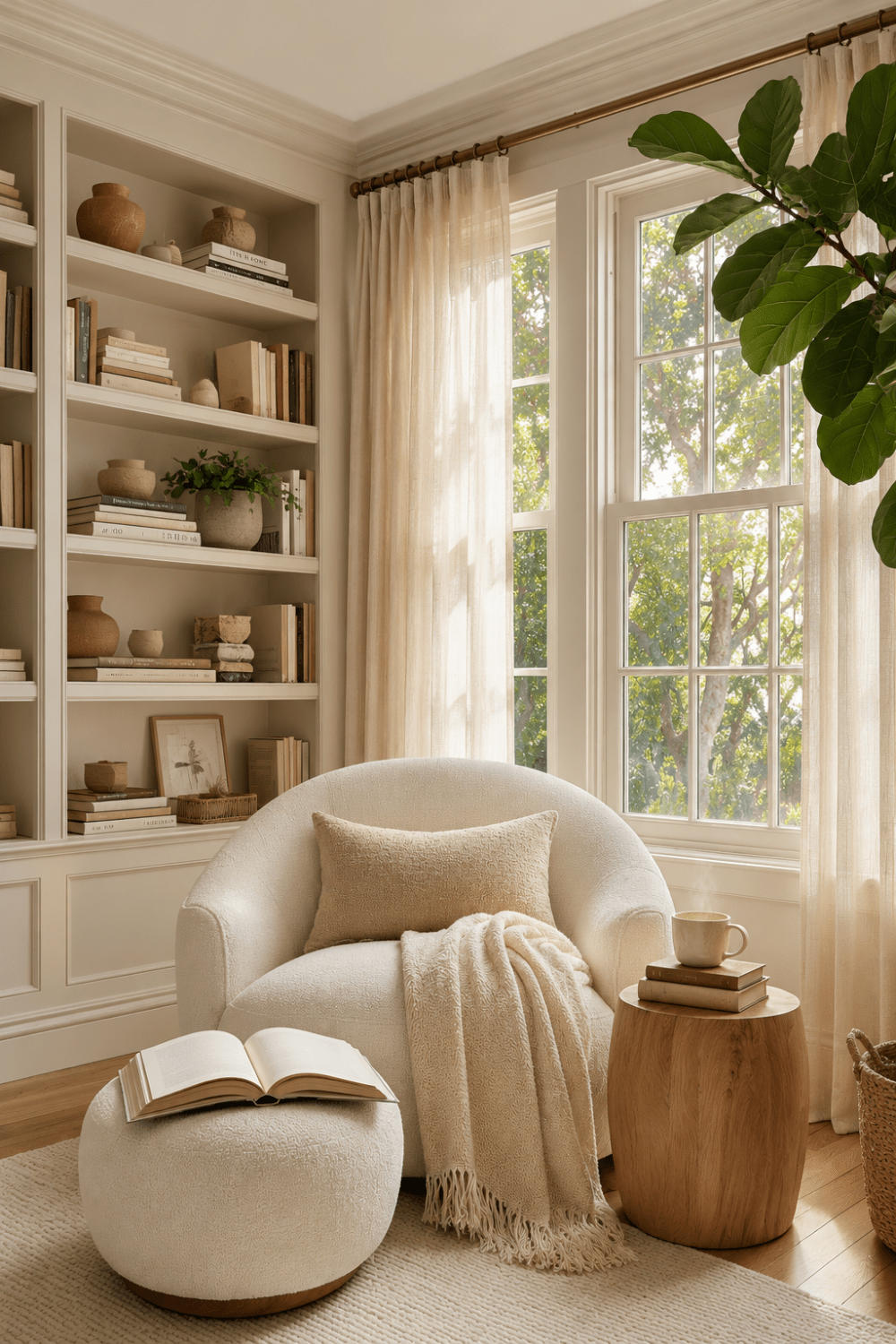
- Place a comfortable chair near a window to encourage quiet moments with natural light and greenery.
- Layer soft textiles like throw blankets, accent pillows, and rugs to create a gentle sense of enclosure.
- Keep sightlines open by avoiding oversized furniture or visual barriers that interrupt the flow of the room.
- Keep windows as visually open as possible by avoiding furniture or heavy window treatments that block natural views.
When a room offers both comfort and breathing room, it invites you to settle in without feeling confined. That balance is often what transforms a beautiful house into a true refuge. It becomes a place where you can exhale, recharge, and simply enjoy being present.
Styling Note: The coziest spaces don’t hide you from the world. They simply give you a comfortable place to experience it. A favorite chair beside a sunny window can feel just as restorative as an entire room designed for relaxation.
A Cozy Home Is Really About Feeling Held
The psychology of a cozy home reminds us that the spaces we love most aren’t always the most expensive or perfectly decorated. They’re the ones that help us slow down, breathe a little deeper, and feel completely at ease.
As you look around your own home this week, pay attention to the places that naturally make you want to linger. Then ask yourself what makes them feel that way. Sometimes a simple change, like clearing visual clutter, adding a soft throw blanket, or moving your favorite chair closer to a window, can transform how a room feels.
Your home doesn’t have to follow every trend to become a refuge. When you design with comfort, intention, and emotional well-being in mind, you’re creating a space that supports you every single day.
Save this post to Pinterest for future inspiration. 🤍
Explore more Design Therapy articles and Organic Modern decorating ideas on Divine Decor Finds. 🌿