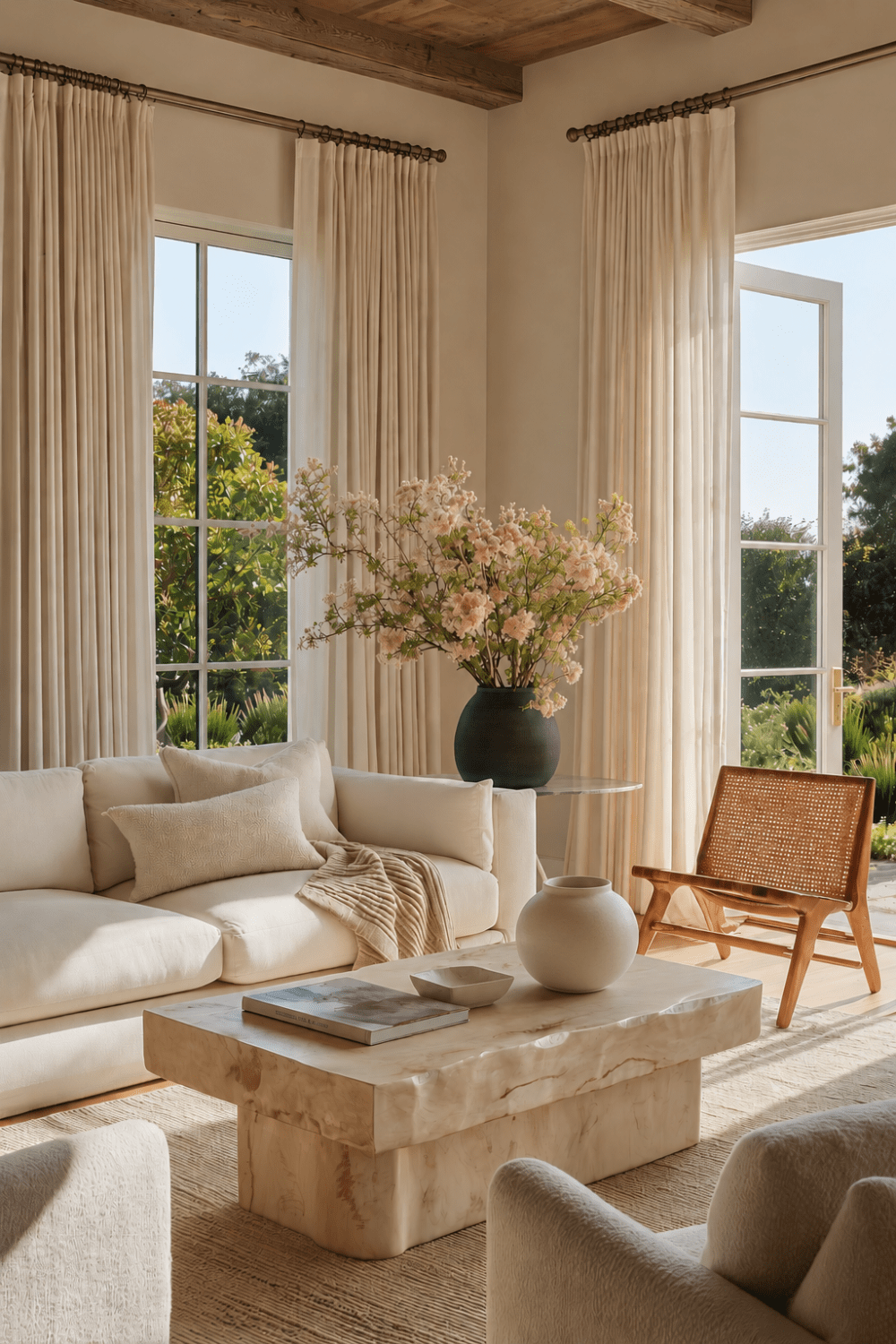
Why Peace Feels Hard to Find
Life feels noisy these days. Between work, notifications, responsibilities, and endless to-do lists, it can feel like there’s always something demanding our attention. That’s one reason so many of us crave a home that feels peaceful. Not because we want a picture-perfect space, but because we want somewhere that helps us slow down, recharge, and breathe a little easier.
The surprising thing is that peace isn’t always created through decorating. While beautiful furniture, fresh flowers, and carefully chosen decor can certainly contribute to a room’s atmosphere, they aren’t necessarily what determines whether a home feels calm.
In reality, some of the biggest sources of stress inside our homes are things we rarely notice. The constant stream of visual decisions. The feeling that every corner should be productive. The subtle mental fatigue that comes from having too much competing for our attention.
Our surroundings influence how we think, focus, rest, and recover from the demands of daily life. When a space feels supportive rather than demanding, it becomes easier to clear your mind and be present in the moment.
What I find most interesting is that creating a peaceful home often has less to do with adding something new and more to do with removing small sources of friction that quietly compete for our attention. In many cases, the simplest changes can have the biggest impact on how a space feels.
In this post, I’m sharing three often-overlooked shifts that can help create a more peaceful home every day: reducing visual decisions, creating a space where nothing is expected of you, and giving your eyes a place to rest. They’re simple ideas, but together they can have a powerful impact on your well-being and the way you experience your home.
1. Reduce Visual Decisions
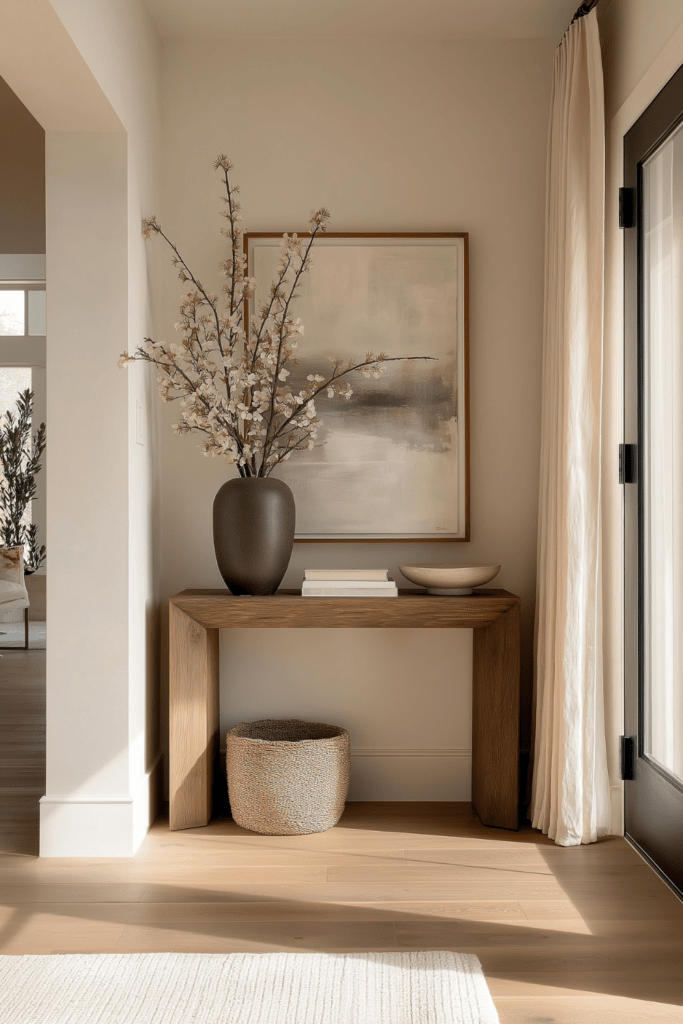
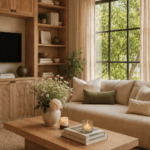
When we think about creating a peaceful home, we often focus on what we need to add. A new piece of furniture. Better decor. A fresh coat of paint. But sometimes the fastest way to create a sense of calm is to remove the things that are quietly competing for your attention.
Every day, your brain is taking in information from the spaces around you. The stack of mail on the counter, the crowded shelf, the basket you’ve been meaning to put away. Even if you aren’t consciously thinking about these things, your mind is still processing them. Over time, all of that visual information can leave a room feeling more draining than relaxing.
What many people don’t realize is that visual clutter isn’t stressful simply because it’s messy. It’s stressful because it increases mental load. Every object becomes one more thing for your brain to notice, evaluate, or remember. That’s why a room can feel overwhelming even when it’s technically clean. Peaceful interiors often feel calming because they’ve been thoughtfully edited, not because they’re perfectly styled.
To reduce visual clutter and create a more calming home environment:
- Clear one frequently used surface, such as a coffee table, kitchen counter, or entry console.
- Group similar items together instead of scattering them throughout the room.
- Store everyday necessities in baskets, drawers, or cabinets when possible.
- Leave a little empty space on shelves rather than filling every available inch.
- Display fewer decorative objects and give each piece room to breathe.
- Regularly remove items that no longer serve a purpose or bring you joy.
Creating a home that feels peaceful doesn’t require perfection or minimalism. The goal isn’t to own less for the sake of owning less. It’s to create an environment that feels easier to move through, easier to focus in, and easier to enjoy.
Styling Note: If a room feels stressful but you can’t figure out why, try removing three decorative items before buying anything new. Often, the feeling of peace comes from reducing visual noise rather than adding more beauty.
2. Create a Space Where Nothing Is Expected of You
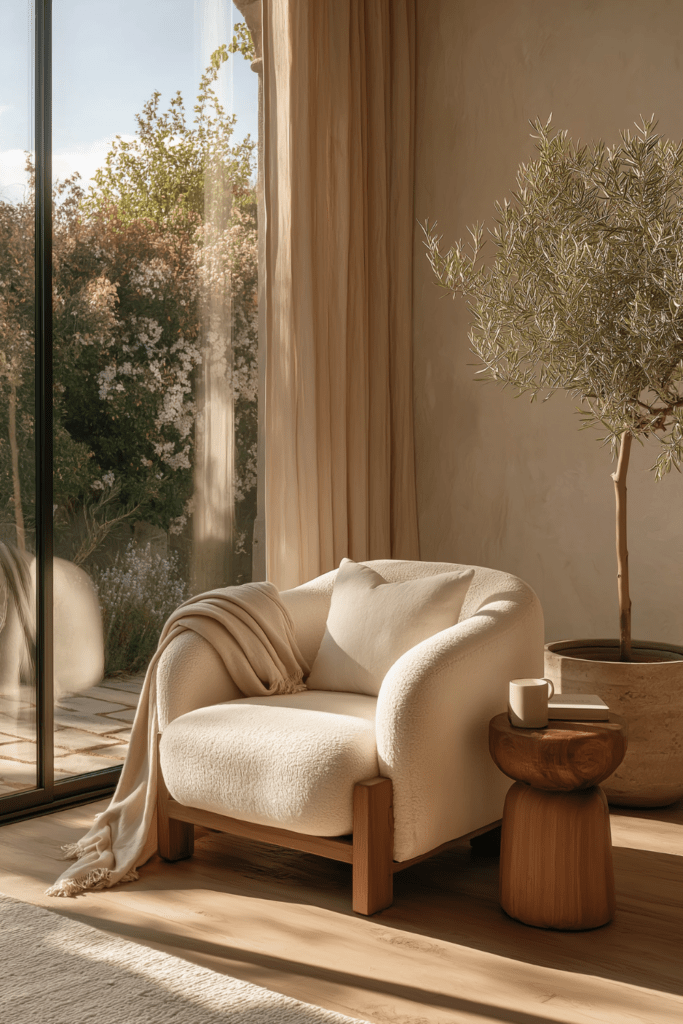
Many of us spend our days moving from one responsibility to the next. We answer emails, check notifications, run errands, pay bills, and manage endless to-do lists. Unfortunately, those demands don’t always stop when we walk through the front door. In many homes, reminders of work, chores, and unfinished tasks seem to follow us from room to room.
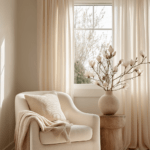
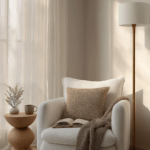
That’s why one of the most powerful things you can do for your well-being is create a space that exists for no reason other than comfort and restoration. A space where you’re not expected to be productive, organized, or accomplishing something. A space that simply invites you to pause.
The most restorative spaces aren’t necessarily the most beautiful or elaborate. They’re the ones that support how you want to feel. When a room or corner of your home is designed around rest, reflection, or enjoyment, it sends a subtle message that it’s okay to slow down. This is one of the most overlooked aspects of mindful home design and a key ingredient in creating a home that feels peaceful.
To create a restorative space that supports slow living at home:
- Designate a chair, nook, or corner that is used only for relaxing, reading, or quiet reflection.
- Keep work materials, paperwork, and digital devices out of the space whenever possible.
- Add elements that encourage comfort, such as a throw blanket, accent pillow, or soft lighting.
- Position the space near a window to take advantage of natural light and outdoor views.
- Include one or two meaningful objects that help you feel grounded, such as a favorite book, journal, or candle.
- Resist the urge to make the space “productive.” Let it exist solely for enjoyment and restoration.
Creating a peaceful home isn’t always about improving how a room looks. Sometimes it’s about creating environments that support how you want to feel. Even a small corner dedicated to rest can become a daily reminder to slow down and reconnect with yourself.
Styling Note: Sometimes the most peaceful place in a home isn’t the most beautiful. It’s the place where nothing is being asked of you.
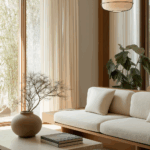
3. Give Your Eyes a Place to Rest
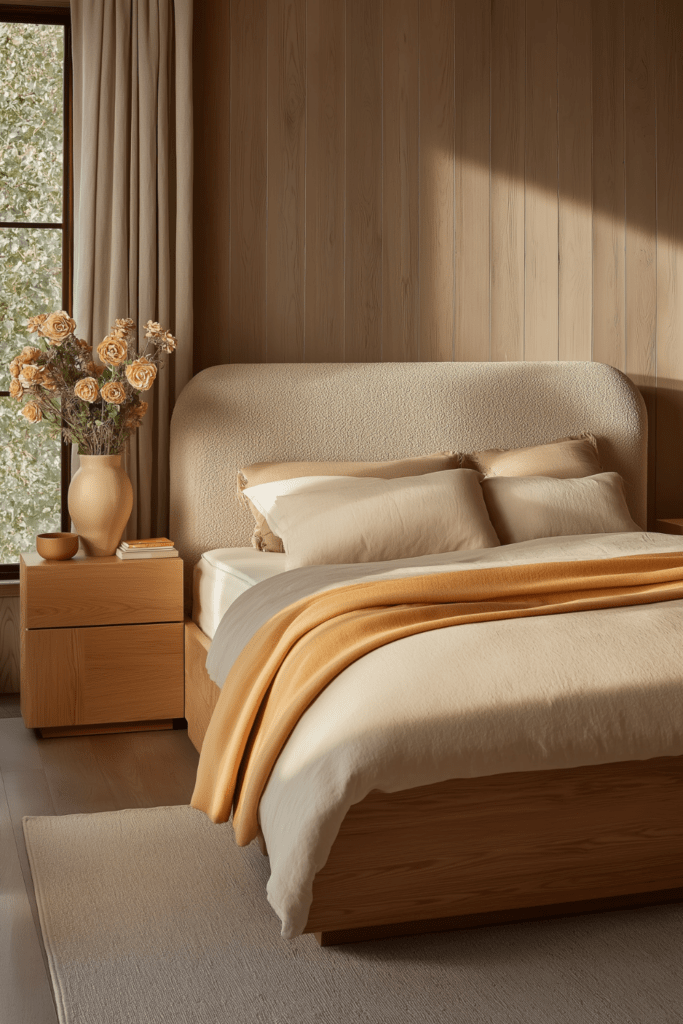
When a room feels calm, we often focus on what we can see. The furniture, the artwork, the lighting, or the carefully chosen decor. But one of the most powerful elements in a peaceful room is something we rarely notice at all: the space in between.
Often, the answer has less to do with the furniture or decor itself and more to do with what isn’t there. One of the hallmarks of peaceful interiors is visual breathing room. Instead of filling every wall, shelf, and corner, thoughtfully designed spaces allow the eye to pause and rest.
Many of us assume great design is about adding the perfect finishing touches. In reality, great design is just as much about knowing what to leave out. When a room contains too many focal points, competing patterns, or decorative objects, the eye is constantly moving from one thing to the next. While the effect may be subtle, it can create a sense of visual tension that makes a space feel busier than it needs to be. Intentional home design creates balance by giving important elements room to stand out.
To create more visual breathing room in your home:
- Leave some wall space unfilled instead of covering every surface with artwork.
- Choose one primary focal point for a room rather than several competing ones.
- Allow furniture and decor to have space around them.
- Use a restrained color palette to create visual continuity.
- Edit shelves and tabletops so that each item has room to be appreciated.
- Incorporate negative space as a design element rather than something that needs to be filled.
One reason luxury hotels often feel so relaxing is that they allow the room to breathe. They don’t try to fill every corner with furniture or decor. The result is a calming home environment that feels spacious, organized, and easy to enjoy. The same principle can work in your own home, regardless of its size.
Creating a home that feels peaceful isn’t always about making a room larger. Sometimes it’s about creating enough visual space that your eyes and mind can finally slow down.
Styling Note: The next time a room feels unfinished, resist the urge to add something immediately. Sometimes the empty space is doing important work.
Peace Begins with Small Choices
When people think about creating a peaceful home, they often imagine a perfectly styled space filled with beautiful furniture and carefully curated decor. But as we’ve explored throughout this article, peace isn’t always found in what we add to a room. More often, it’s found in what we remove.
Reducing visual decisions, creating spaces where nothing is expected of you, and giving your eyes room to rest can have a meaningful impact on how your home feels and how you feel within it. These small shifts may seem simple, but together they can help transform a space from one that constantly demands your attention into one that quietly supports your well-being.
The most calming homes aren’t necessarily the most expensive or the most beautifully decorated. They’re the homes that make life feel a little easier. The homes that allow you to exhale, slow down, and reconnect with what matters most.
If you’re wondering how to create a peaceful home, start small. Choose one idea from this post and implement it this week. Clear a crowded surface, create a quiet corner for yourself, or leave a little more empty space than feels comfortable. You may be surprised by how much lighter your home begins to feel.
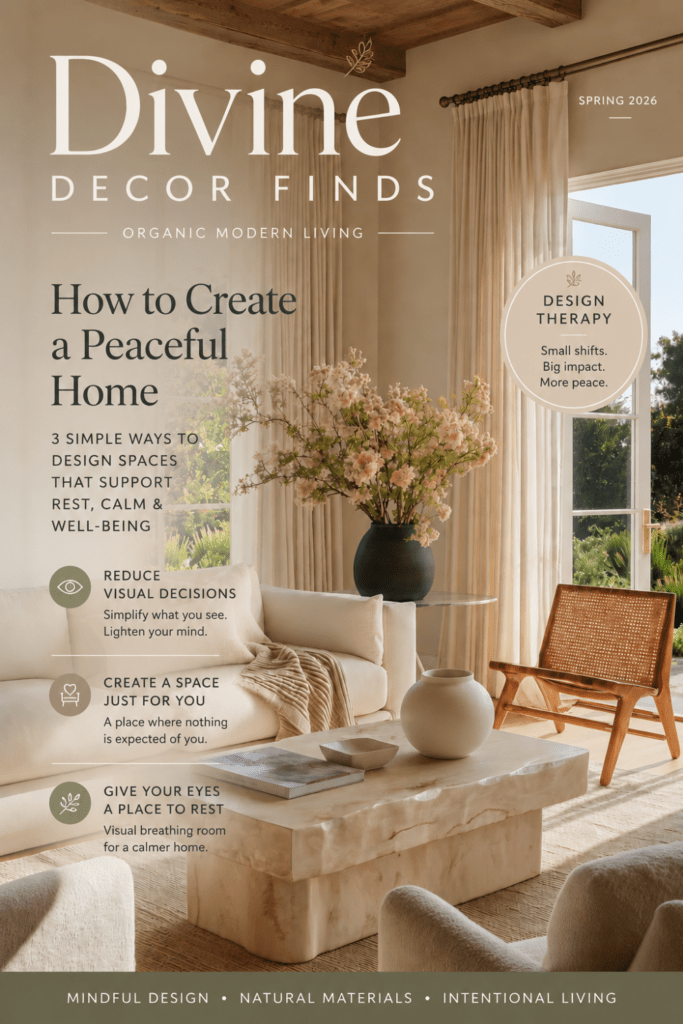
Save this post to Pinterest for future inspiration 🤍
And if you love thoughtful design that supports everyday living, explore more Designer-Inspired and Organic Modern ideas here on Divine Decor Finds 🌿