What Makes a Room Feel Instantly Comforting?
Have you ever walked into a room and immediately felt your shoulders relax? Maybe you couldn’t quite put your finger on why, but the space felt welcoming, comforting, and somehow just right. If you’ve ever wondered how to make a room feel cozy, the answer often has less to do with decorating trends and more to do with how a space makes you feel.
That’s because coziness isn’t really a design style. It’s an experience. It’s the feeling of being able to exhale at the end of a long day. It’s the sense of comfort that invites you to curl up with a good book, linger over your morning matcha, or gather with the people you love. While beautiful decor can certainly contribute to that feeling, true coziness goes much deeper than what’s sitting on a shelf or hanging on a wall.
The spaces that feel the most inviting often share a few things in common. From lighting and texture to color, layout, and personal touches, certain design elements have a powerful influence on our mood and well-being. They help create environments that feel warm, welcoming, and connected to the people who live in them.
In this post, I’ll explore why some rooms seem to instantly put us at ease while others feel a little cold or disconnected. You’ll also discover how to make a room feel cozy by focusing on the details that support comfort, connection, and everyday living.
The Secret Behind Cozy Rooms Isn’t More Decor
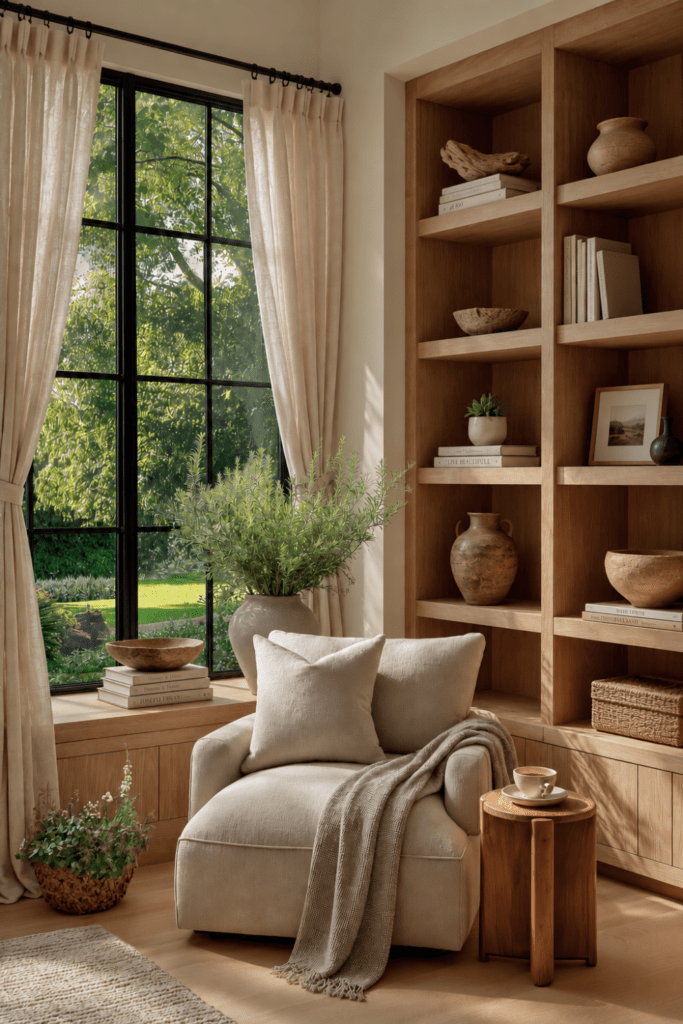
Have you ever walked into a room that felt instantly calming, even though there wasn’t much in it? Maybe there were only a few pieces of furniture, a soft glow from a nearby lamp, and a sense of quiet order. Meanwhile, another room might be filled with beautiful decor yet somehow feel busy or disconnected. The difference often comes down to atmosphere. Cozy rooms aren’t created by how many things they contain. They’re created by how those things work together to make us feel.
This is because our brains are constantly responding to the environments around us. When a room feels visually chaotic, our attention is pulled in multiple directions at once. But when a space has balance, breathing room, and a clear sense of purpose, it feels easier to relax. The most successful cozy home decor doesn’t compete for attention. Instead, it supports a feeling of comfort through thoughtful choices that create visual harmony and emotional ease.
To create atmosphere instead of simply adding more decor:
- Leave some empty space on shelves, tables, and countertops so the eye has room to rest.
- Choose a few meaningful decorative pieces rather than displaying everything at once.
- Group similar objects together to create a sense of order and cohesion.
- Remove items that no longer serve a purpose or contribute to the feeling you want the room to have.
- Focus on how each piece contributes to the overall mood instead of filling every empty corner.
- Think about the experience of being in the room, not just how the room looks in a photo.
One of the most freeing realizations in intentional home design is that creating a cozy atmosphere doesn’t require a constant stream of new purchases. In many cases, the room already contains everything it needs. The goal is simply to arrange those elements in a way that feels supportive, comfortable, and inviting.
Styling Note: When styling a room, try asking yourself, “How do I want this space to feel?” before asking, “What should I put here?” That single question can completely change the way you approach decorating and help you create more welcoming spaces throughout your home.
Cozy Rooms Give Your Brain Less Work To Do
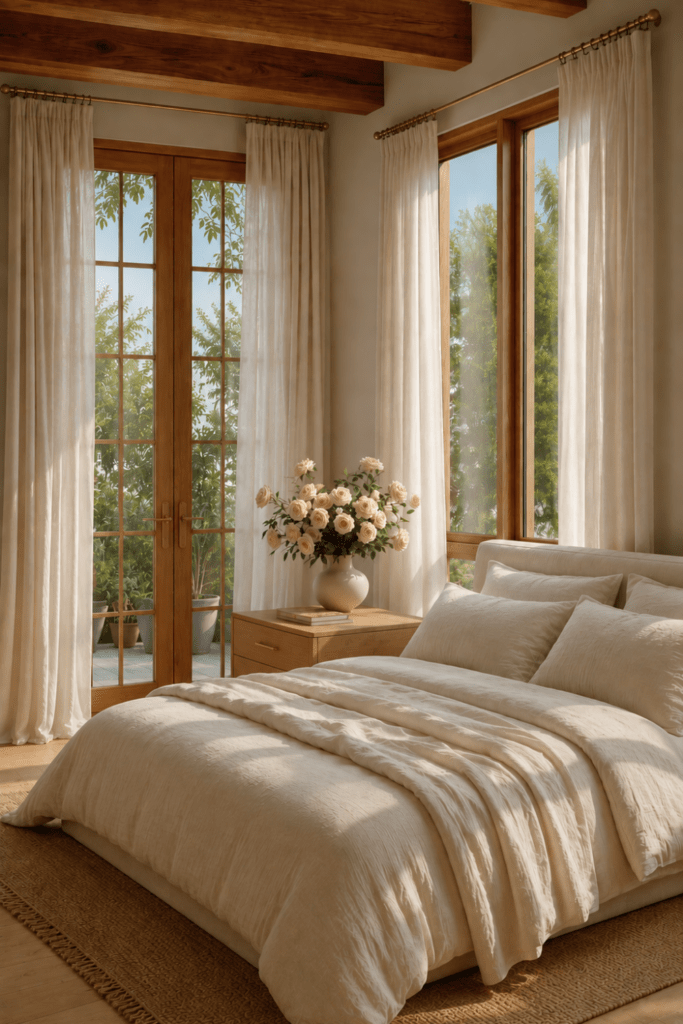
Have you ever walked into a room and immediately felt unsettled, even though nothing seemed obviously wrong? Sometimes the issue isn’t the furniture, the color palette, or the decor itself. Sometimes it’s simply that your brain is being asked to process too much information at once. One of the reasons cozy living spaces feel so relaxing is that they allow your mind to slow down instead of constantly scanning and sorting through visual distractions.
Our brains naturally prefer environments that feel organized and easy to understand. When every surface is crowded, every shelf is packed, and there are multiple focal points competing for attention, the room can feel mentally noisy. This doesn’t mean your home should be minimal or perfectly styled. It simply means that comfortable home design often includes visual breathing room. In fact, sometimes a room feels uncomfortable not because something is missing, but because too much is competing for your attention.
To create a space that feels calmer and easier for your brain to process:
- Give decorative objects room to breathe instead of grouping too many pieces together.
- Create one clear focal point in the room, such as a fireplace, window, artwork, or bookshelf.
- Leave some open space on shelves and tabletops to reduce visual clutter.
- Edit decor seasonally rather than displaying everything year-round.
- Keep walkways clear so the room feels easy to move through.
- Choose a few larger statement pieces instead of many small decorative accessories.
The goal isn’t perfection. The goal is creating a sense of ease. Some of the most welcoming spaces feel calm because they strike a balance between personality and simplicity. They give your eyes a place to land and your mind permission to relax.
Styling Note: The next time a room feels “off,” resist the urge to buy something new. Try removing a few items instead. Often, the quickest way to make a room feel cozier is to create more breathing room for the pieces you already love.
The Best Cozy Rooms Feel Predictable
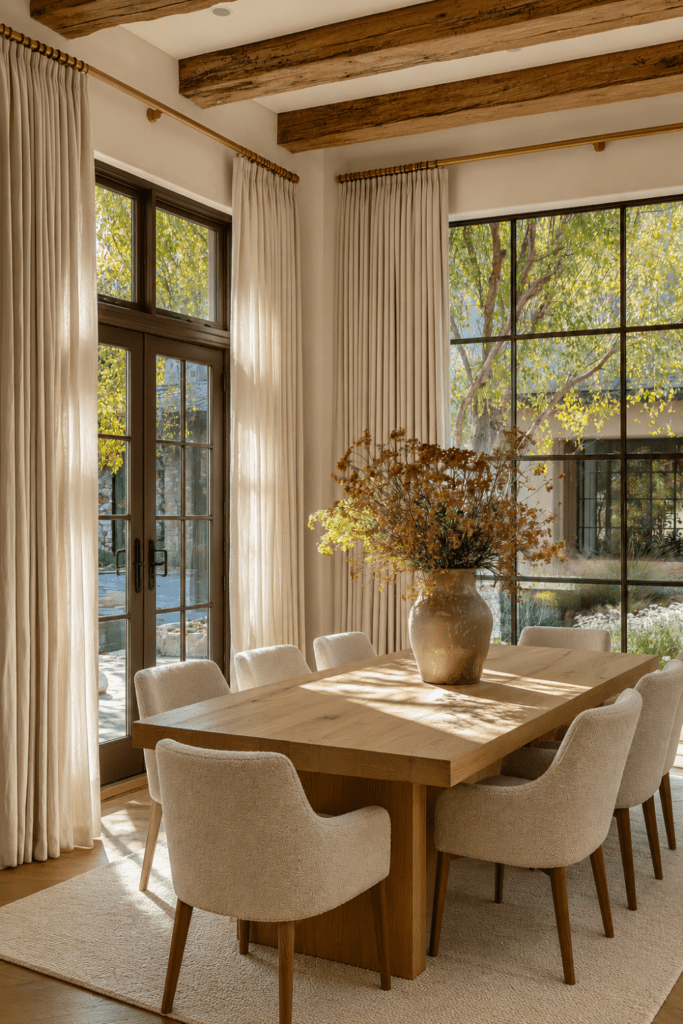
When people describe a room as cozy, they rarely talk about predictability. Yet some of the most comforting spaces share this quality. The lighting feels balanced, the furniture feels appropriately sized, and the room seems to flow naturally from one area to the next. Nothing demands attention or feels out of place. Instead, the space quietly communicates a sense of order that allows you to relax almost immediately.
This happens because our brains are constantly looking for patterns and consistency. Environments that feel balanced and easy to understand require less mental effort to navigate. When lighting, scale, layout, and proportion work together, the room feels harmonious. But when furniture is too large for the space, walkways feel awkward, or certain areas feel visually heavy while others feel empty, something can feel slightly “off” even if we can’t immediately identify why. Many cozy rooms aren’t memorable because of what’s in them. They’re memorable because nothing feels out of place.
To create a room that feels naturally balanced and easy to relax in:
- Choose furniture that suits the scale of the room rather than filling every available inch.
- Arrange seating so conversation and movement feel effortless.
- Maintain consistent finishes, materials, or colors throughout the space to create visual harmony.
- Balance larger furniture pieces with open space so the room doesn’t feel crowded.
- Layer lighting sources throughout the room instead of relying on a single overhead fixture.
- Step back and view the room as a whole, looking for areas that feel visually heavier or lighter than the rest of the space.
Creating a cozy atmosphere isn’t always about adding more warmth or softness. Often, it’s about creating a sense of balance that helps the room feel supportive rather than stressful. When everything works together, the space feels effortless, and that’s often what people are responding to when they say a room feels comfortable.
Styling Note: If a room feels slightly uncomfortable but you can’t figure out why, try taking a photo of it. Looking at the space through a photograph often makes imbalances in scale, layout, or visual weight much easier to spot.
Cozy Rooms Engage More Than One Sense
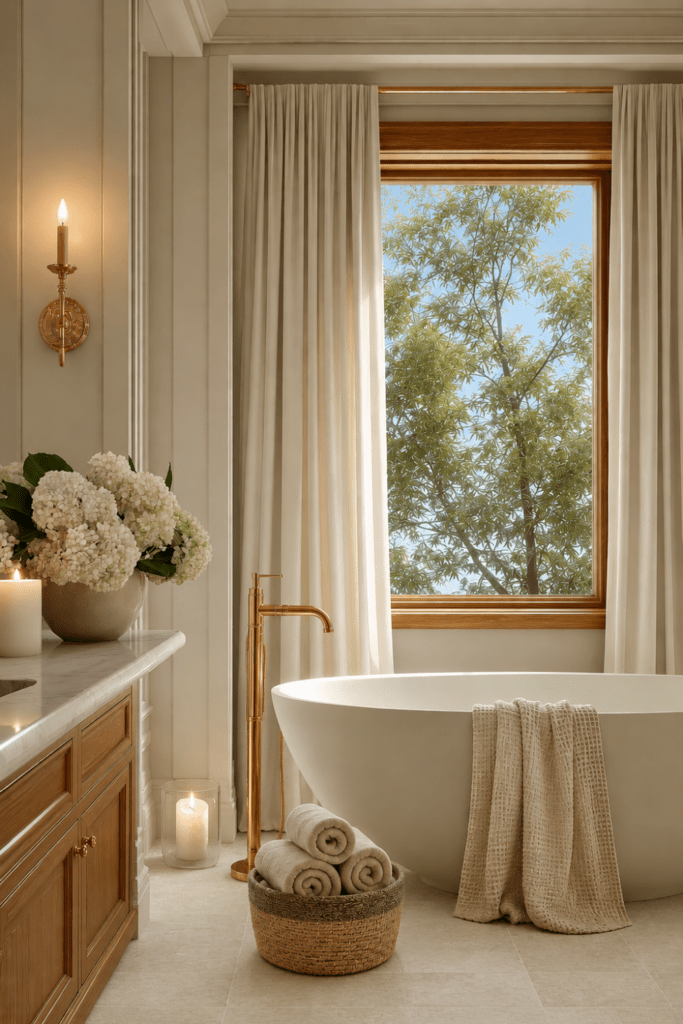
It’s easy to assume that a cozy room is something we see. Beautiful furniture, soft colors, and thoughtfully styled decor certainly contribute to the feeling. But true comfort goes much deeper than appearance. Think about your favorite hotel, coffee shop, or room in your home. Chances are, what made it memorable wasn’t just how it looked. It was how it felt. The softness of a blanket, the scent of a candle, the warmth of sunlight on your skin, or the quiet hum of a peaceful space all contribute to our experience of comfort.
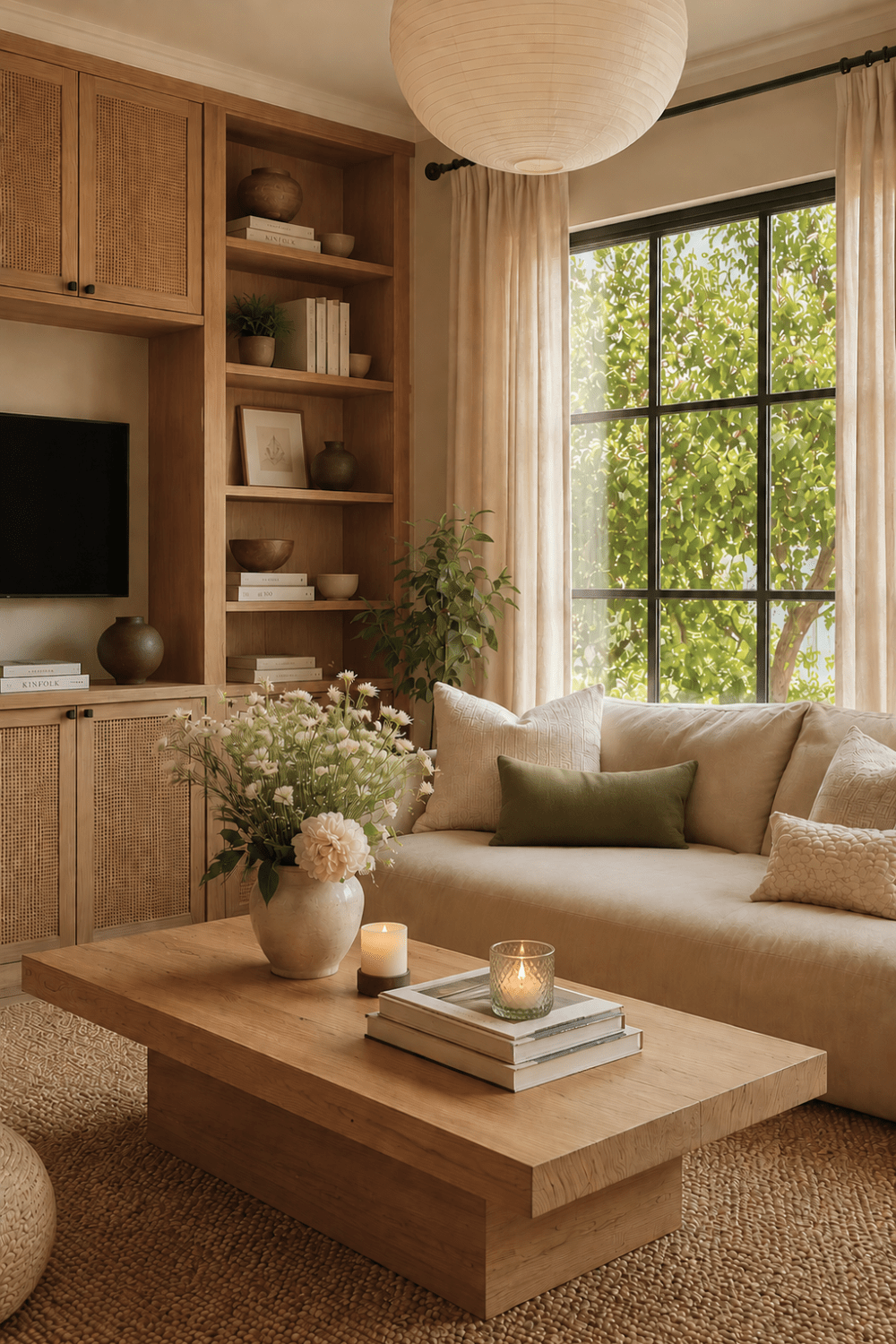
Our senses constantly gather information about our surroundings, often without us realizing it. Soft textures encourage relaxation. Natural materials feel familiar and grounding. Gentle sounds and comfortable temperatures help signal safety and ease. This is one reason organic modern interiors feel so inviting. They combine layered textures, natural materials, and sensory warmth to create environments that feel just as good as they look. A room can look beautiful in a photo and still feel uncomfortable in real life if it doesn’t engage the senses.
To create a more sensory-rich and comforting environment:
- Layer soft textiles such as linen bedding, throw blankets, upholstered furniture, and area rugs.
- Incorporate natural materials like wood, stone, pottery, and woven fibers to add warmth and texture.
- Introduce subtle scents through candles, fresh flowers, dried botanicals, or essential oils.
- Use lighting that creates a soft glow rather than harsh brightness.
- Consider sound by adding elements that soften echoes, such as curtains, rugs, and upholstered furnishings.
- Create seasonal moments of comfort with cozy textures in winter and breezy natural fabrics during warmer months.
The most inviting homes often excel at lived-in comfort because they appeal to multiple senses at once. They aren’t designed only to be admired. They’re designed to be experienced. When a space feels good physically as well as visually, everyday routines become a little more enjoyable and restorative.
Styling Note: The next time you’re evaluating a room, close your eyes for a moment. Ask yourself what you can feel, hear, and even smell. Sometimes the quickest way to make a room feel cozier has nothing to do with what you see and everything to do with what your senses are experiencing.
The Most Memorable Rooms Tell a Story
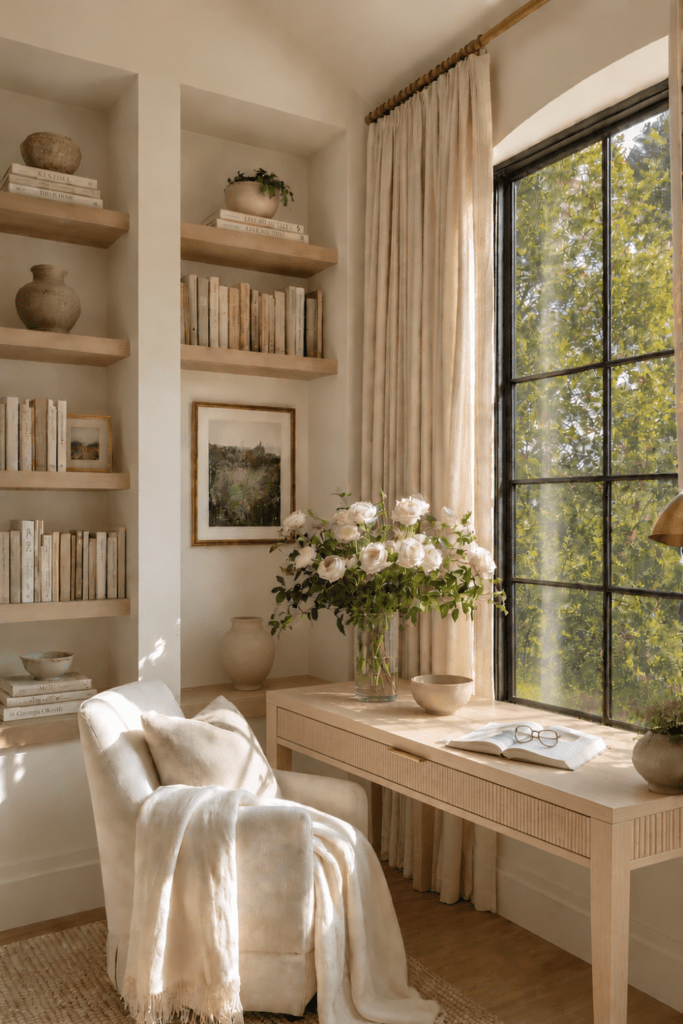
Think about the homes you’ve loved visiting throughout your life. Chances are, you don’t remember them because every pillow was perfectly styled or every decorative object matched. You remember them because they felt personal. Maybe there was a shelf lined with well-loved books, a collection gathered over years of travel, or family photographs that captured meaningful moments. The rooms that stay with us often tell a story about the people who live there.
This is where intentional home design becomes deeply personal. While beautiful furniture and thoughtful styling can create a strong foundation, personality is what transforms a house into a home. Meaningful objects carry emotional weight. They remind us of experiences, relationships, and values that shape our lives. This is also why cozy home decor feels most authentic when it reflects the people living in the space rather than the latest trend. People rarely remember a room because it was perfectly styled. They remember how it made them feel.
To create a home that feels personal and meaningful:
- Display books that reflect your interests, passions, and life experiences.
- Incorporate family photographs or artwork that holds sentimental value.
- Showcase collected treasures from travels, special occasions, or meaningful seasons of life.
- Mix handmade, vintage, and inherited pieces with newer furnishings.
- Choose decor that reflects your personality rather than following every trend.
- Leave room for your home to evolve naturally as your life changes.
The difference between a showroom and a home is often emotional connection. Showrooms are designed to impress. Homes are designed to support real life. When your surroundings reflect your memories, values, and experiences, they create a sense of belonging that no amount of perfect styling can replicate. This is where lived-in comfort begins to emerge.
Styling Note: The next time you’re styling a shelf, leave space for something meaningful. A favorite book, a handmade piece, or a treasured photograph often adds more warmth to a room than another decorative object ever could.
Cozy Rooms Are About How They Make You Feel
When we think about how to make a room feel cozy, it’s easy to focus on the visible details. We search for decorating tips, furniture recommendations, and the latest design trends, hoping they’ll create that feeling we’re after. But as we’ve explored throughout this article, true comfort isn’t created by a shopping list.
The rooms that feel best often share something deeper. They give our minds a chance to rest. They feel balanced and easy to navigate. They engage the senses through natural materials, soft textures, and gentle light. Most importantly, they reflect the people who live in them.
Atmosphere, simplicity, predictability, sensory comfort, and personal meaning all work together to create spaces that feel warm, welcoming, and restorative. These qualities can’t always be captured in a photograph, but they’re often what make a room memorable long after we’ve left it.
As you look around your home this week, resist the urge to compare your space to someone else’s. Instead, ask yourself a simple question: How does this room make me feel? Sometimes the smallest change, whether it’s editing a crowded shelf, adding a soft linen curtain, introducing a favorite scent, or displaying a meaningful object, can completely transform the experience of a space.
The most comforting homes aren’t designed for perfection. They’re designed for the people who live in them.
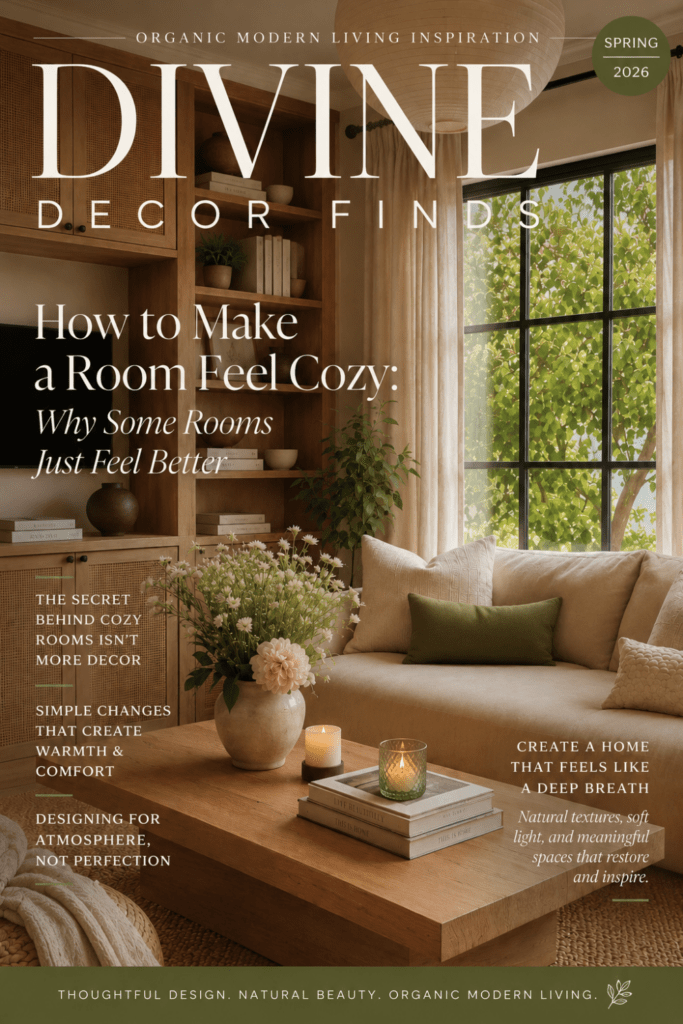
Save this post to Pinterest for future home inspiration 🤍
Explore more Designer-Inspired articles and Organic Modern ideas on Divine Decor Finds 🌿