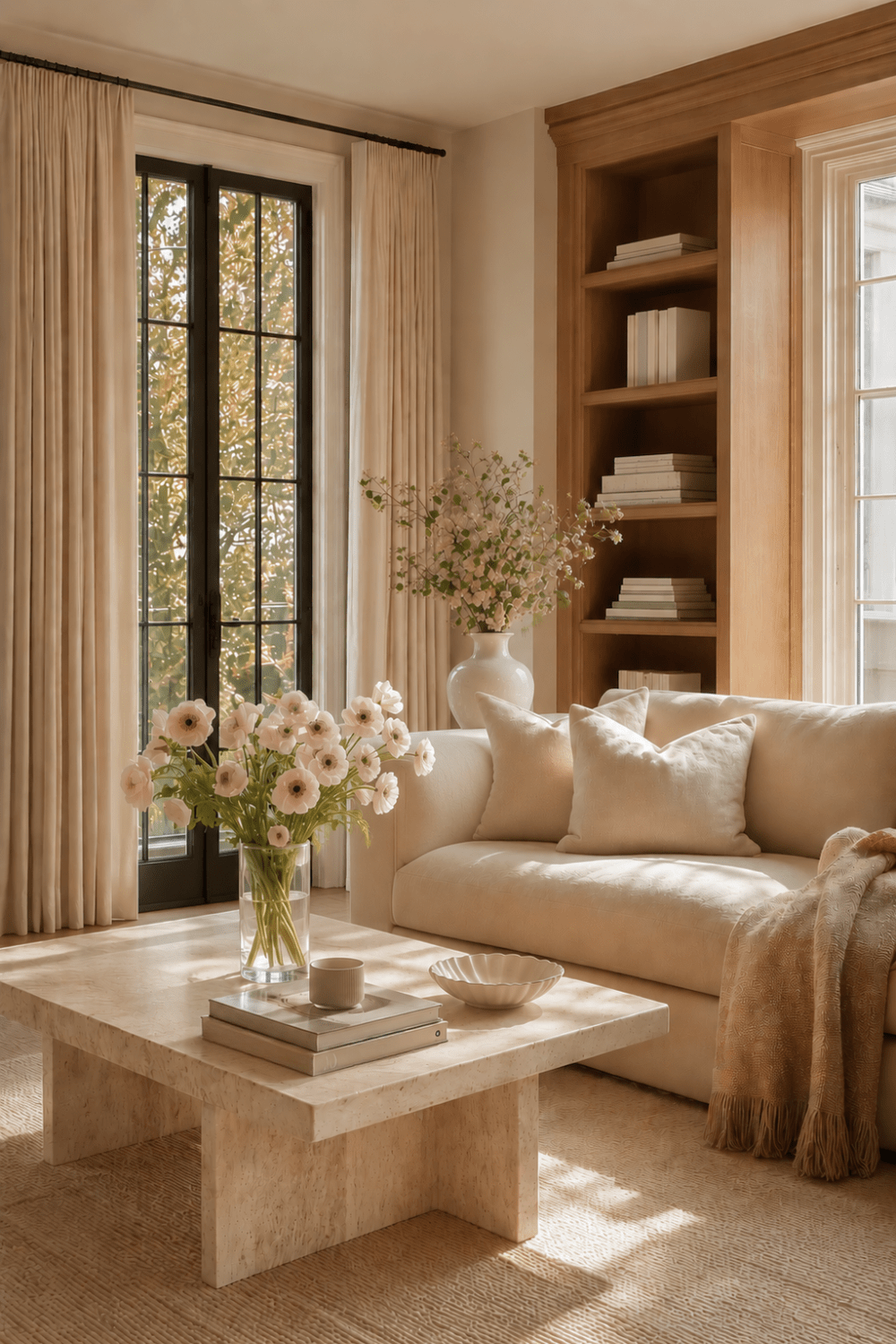
Why Some Rooms Feel Warm Without Trying
Have you ever wondered how to make a room feel warm without filling it with more decorative objects? Some spaces seem to welcome you the moment you walk through the door. They feel comfortable, inviting, and effortlessly lived in, even though they may be styled quite simply.
Many of us assume that creating warmth requires adding more. More pillows. More accessories. More decorative layers. Yet some of the most inviting homes are surprisingly restrained. They don’t feel warm because they’re filled with things. They feel warm because of the atmosphere they’ve created.
Often, warmth comes from subtle elements that are easy to overlook. Natural light filtering through linen curtains, layered textures that invite touch, a sense of breathing room, or a favorite chair positioned perfectly for a quiet morning ritual. These thoughtful details shape how a room feels emotionally and often have a greater impact than the amount of decor on display.
The truth is that warmth is less about decoration and more about intention. It comes from creating a space that supports comfort, connection, and everyday living. In this post, I’ll share some of the design principles that make a room feel welcoming and explain why the most comforting homes often rely on thoughtful choices rather than more stuff. 🌿
Let Natural Light Become Part of the Design
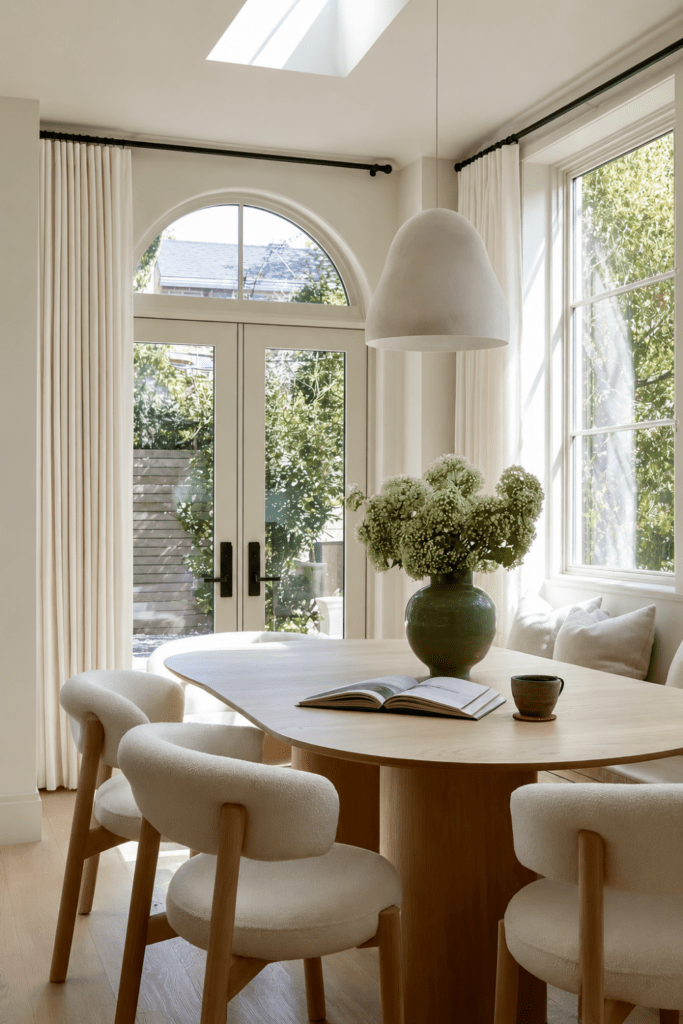
One of the most powerful ways to create warmth in a home has very little to do with adding more decor. Natural light influences how a room feels emotionally, often more than any decorative object ever could. When sunlight is welcomed into a space, it creates softness, openness, and a sense of ease that instantly feels inviting.
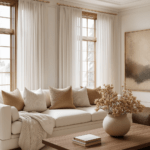
Many of the most comfortable homes are not heavily decorated. Instead, they allow light to become part of the design itself. As sunlight moves through a room, it highlights the texture of wood, linen, stone, and ceramics, bringing natural materials to life. These subtle shifts throughout the day create a warm home atmosphere that feels relaxed, welcoming, and connected to nature.
To maximize natural light in your home:
- Use airy linen drapery or light-filtering window treatments
- Allow sunlight to highlight natural textures and materials
- Avoid blocking windows with oversized furniture or decor
- Position mirrors strategically to reflect daylight
- Keep window areas visually light and uncluttered
Natural light has a unique ability to make a room feel warm without adding anything extra. Sometimes the most inviting spaces are simply the ones that allow light to take center stage.
Styling Note:
Before purchasing new decor, spend a few days observing how natural light moves through your home. Sometimes the warmest rooms aren’t the ones with more accessories; they’re the ones that let sunlight do the styling.
Layer Texture Instead of Adding More Accessories
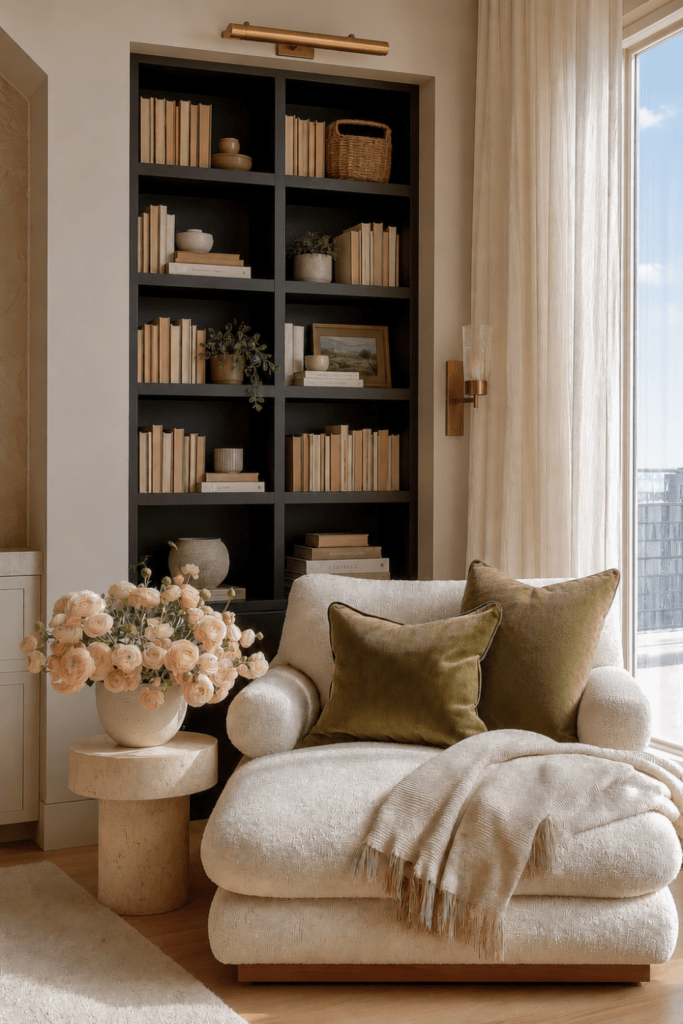
When people think about how to make a room feel warm, they often assume they need more decorative objects. More candles. More baskets. More styling pieces. But some of the most inviting homes aren’t filled with accessories at all. Instead, they rely on texture to create a sense of comfort and visual richness.
Texture adds depth to a room in a way that feels natural and effortless. It invites you to experience a space rather than simply look at it. Soft fabrics, natural woods, woven materials, and handcrafted ceramics all contribute to an atmosphere that feels relaxed, welcoming, and lived in.
This is one of the reasons cozy Organic Modern spaces feel so appealing. Rather than filling every surface with decor, they create warmth through thoughtfully layered materials. A room can feel full of character and interest while still maintaining a sense of simplicity and calm.
To create warmth through texture instead of clutter:
- Layer linen, cotton, boucle, and wool throughout the room
- Mix natural materials such as wood, ceramic, stone, and woven fibers
- Add softness with throw blankets and accent pillows rather than additional accessories
- Use varying textures within a similar color palette to create subtle contrast
- Incorporate handcrafted pieces that bring organic character and imperfection
- Layer neutral tones to create depth without relying on bold colors
When texture is layered intentionally, a room feels more complete without feeling crowded. The goal is not to add more things, but to create an environment that feels comfortable, tactile, and inviting. These subtle layers often create warmth without clutter far more effectively than filling shelves and surfaces with decorative objects.
Styling Note:
Before purchasing another accessory, ask yourself whether the room needs more decor or simply more texture. Often, a linen throw, a woven basket, or a beautifully textured ceramic piece will add more warmth than several decorative objects combined.
Create Breathing Room Through Intentional Styling
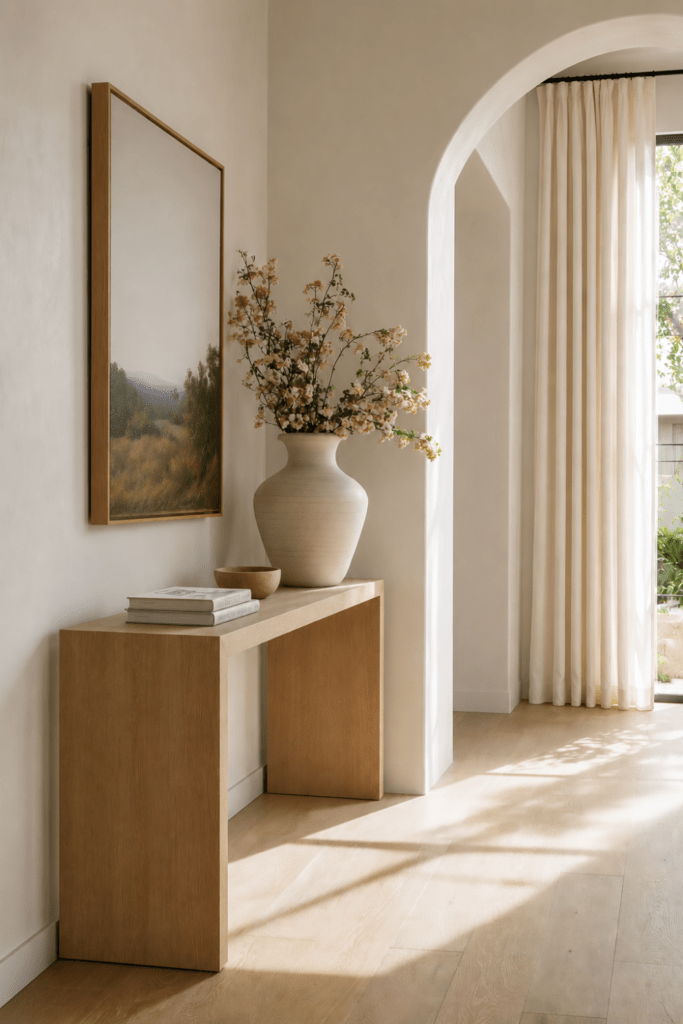
One of the biggest misconceptions in decorating is that warmth comes from adding more. More accessories, more decorative objects, and more styling layers are often seen as the solution when a room feels incomplete. In reality, too much visual stimulation can have the opposite effect, making a space feel busy rather than inviting.
If you’ve ever wondered how to make a room feel warm, the answer may not be adding something new at all. Often, warmth emerges when a room has enough space to breathe. Open surfaces, thoughtful styling, and moments of visual rest allow the eye to settle and appreciate the beauty of the materials, furnishings, and details already present.
This philosophy is at the heart of intentional home styling. Rather than filling every shelf, tabletop, or corner, the goal is to create balance. Negative space isn’t empty space. It’s an important design element that helps a room feel calmer, more elevated, and more welcoming.
To create warmth through intentional styling:
- Leave open space on shelves, consoles, and coffee tables
- Choose a few meaningful pieces instead of displaying everything at once
- Allow beautiful materials and furnishings to become part of the visual interest
- Rotate seasonal decor rather than continually adding to collections
- Create simple groupings with purpose instead of scattered accessories
- Resist the urge to fill every empty corner simply because space exists
Warm minimalist interiors often feel more inviting because they allow each element in the room to have room to breathe. When styling becomes more intentional, the overall atmosphere feels lighter, calmer, and more emotionally comforting.
Styling Note:
When styling a shelf or tabletop, try removing one item before adding another. More often than not, the edited version feels warmer, more balanced, and more thoughtfully curated.
Design Around Daily Rituals Instead of Decoration
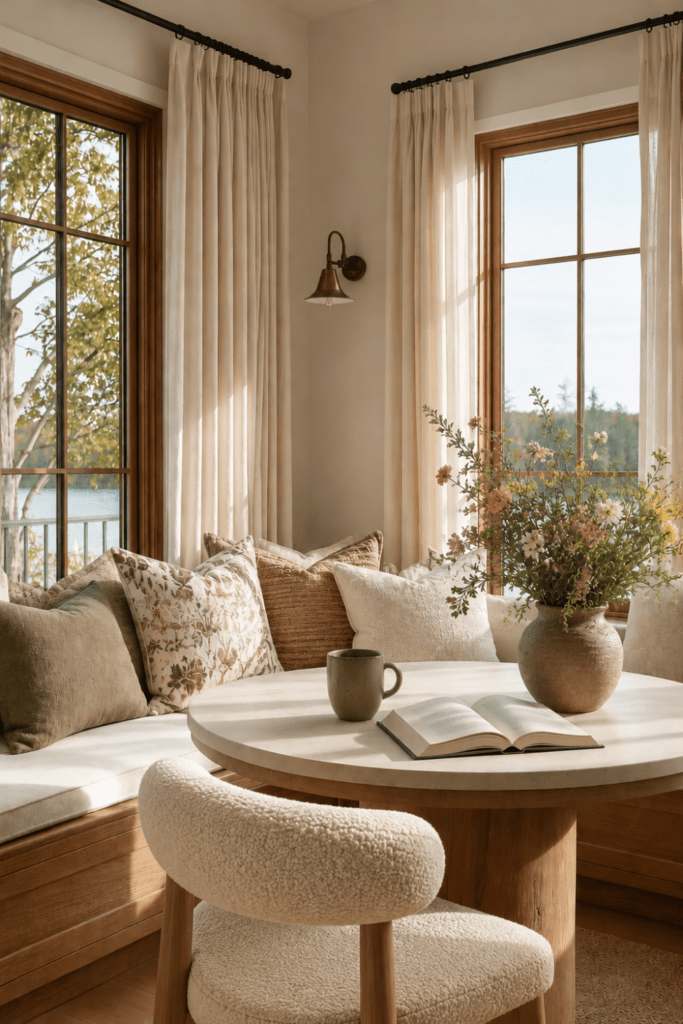
One of the most overlooked aspects of creating a warm home has very little to do with decorating. While beautiful furnishings and thoughtful styling certainly contribute to a room’s atmosphere, the spaces that feel most inviting are often the ones that support the rhythms of everyday life.
Think about the places in your home where you naturally gravitate. Perhaps it’s a favorite chair where you enjoy your morning coffee, a quiet corner where you read before bed, or a dining table where family and friends gather. These spaces feel meaningful because they are connected to experiences, not simply because they look beautiful.
This is one of the core principles of intentional living at home. Rather than designing rooms solely for appearance, consider how you want to feel and what activities you want to encourage. When a space supports your daily rituals, warmth develops naturally because the room becomes part of your life rather than just something to admire.
To design a home that supports meaningful daily rituals:
- Create a comfortable spot for morning coffee or tea
- Design reading corners that encourage slowing down and unplugging
- Incorporate soft ambient lighting for evening routines
- Keep favorite books, blankets, and everyday essentials within reach
- Arrange furniture around conversation, relaxation, and connection
- Prioritize function and comfort alongside beauty
The rooms we remember most are rarely the most decorated. They’re the rooms where life happens. When spaces support the routines and rituals that bring comfort, they naturally become more welcoming, personal, and emotionally warm.
Styling Note:
Before styling a room, ask yourself how you want to use it. A home that supports your favorite daily rituals will almost always feel warmer than one designed purely for visual appeal.
Create a Sense of Presence, Not Perfection
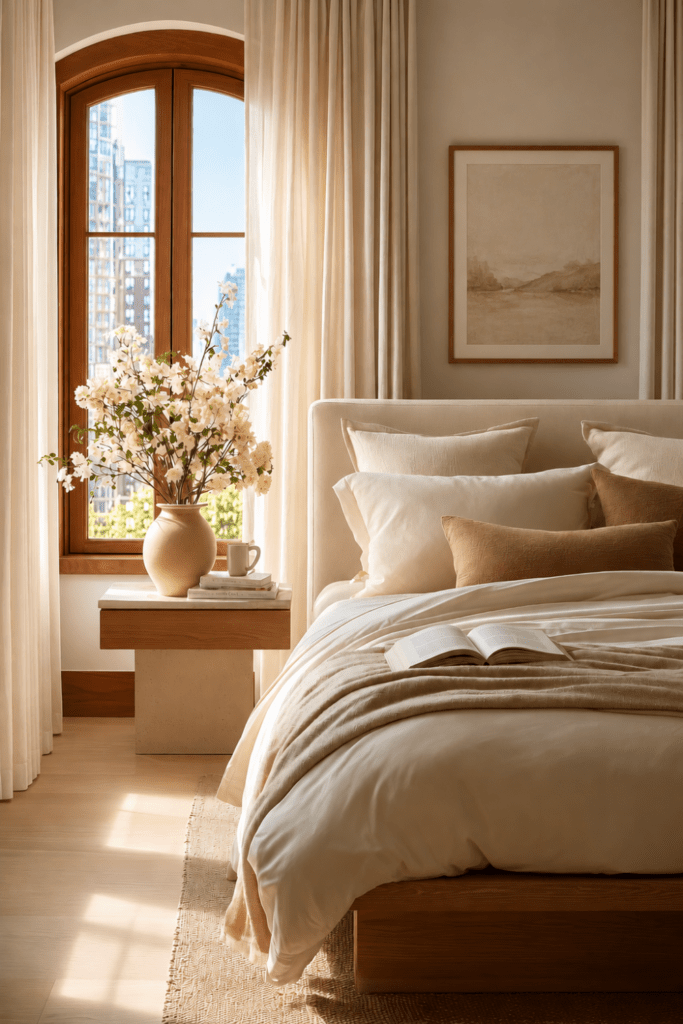
One of the biggest misconceptions in decorating is that a perfectly styled room will automatically feel warm and inviting. In reality, some of the most beautiful homes can feel surprisingly impersonal when every detail appears untouched or overly curated.
If you’re wondering how to make a room feel warm, it often helps to shift your focus away from perfection and toward presence. Warm homes tell a story about the people who live there. They reflect daily routines, favorite rituals, and the small details that make a space feel genuinely lived in.
This doesn’t mean creating clutter or leaving things unfinished. Instead, it’s about allowing a room to feel natural and authentic rather than overly staged. A home should feel enjoyed, not simply admired.
To create a greater sense of presence in your home:
- Display books you’re currently reading instead of styling solely for appearance
- Keep a throw blanket casually draped where it can be easily used
- Incorporate fresh greenery, seasonal branches, or flowers throughout the home
- Allow meaningful objects to remain visible and accessible
- Embrace subtle imperfections that make a space feel lived in
- Prioritize comfort and connection over picture-perfect styling
The most comfortable and inviting interiors rarely feel frozen in time. Instead, they reflect everyday life in a thoughtful way. A favorite mug on a table, an open book waiting to be finished, or fresh branches gathered from outdoors can create a sense of natural home warmth that feels far more welcoming than perfectly arranged decor.
Styling Note:
Leave room for life to happen. Sometimes the most beautiful detail in a room is the evidence that someone genuinely enjoys being there.
Design for Feeling, Not Decoration
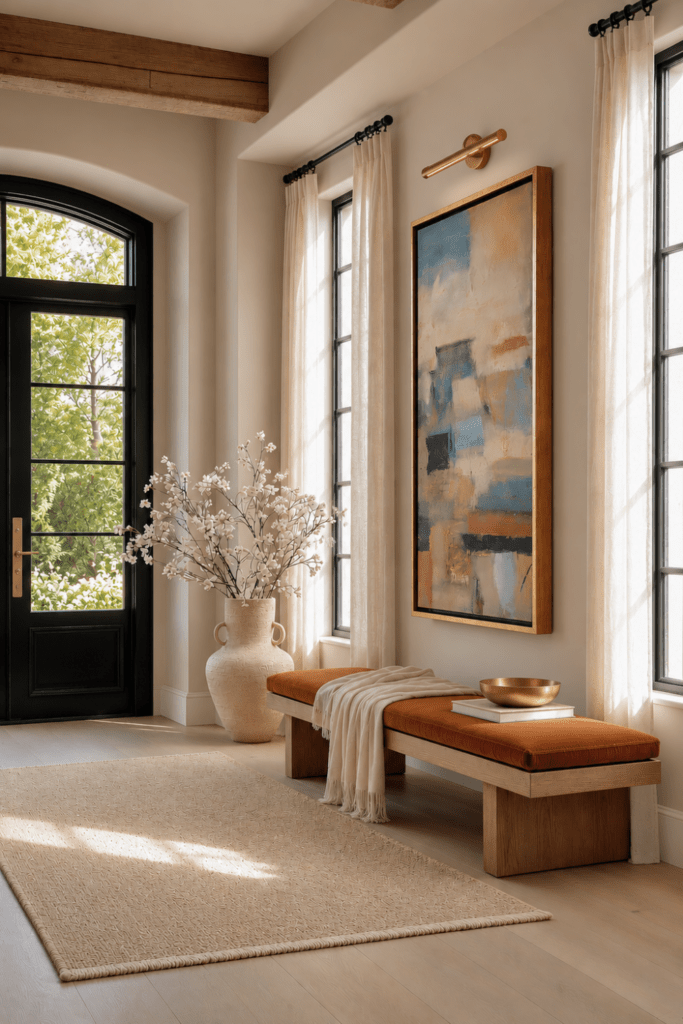
At its core, creating a warm home isn’t really about decor at all. It’s about how a space makes you feel when you walk through the door at the end of a long day.
We often spend so much time thinking about what a room should look like that we forget to consider what it should feel like. Yet the most memorable homes rarely stand out because of a particular piece of furniture or perfectly styled shelf. They stay with us because they create a feeling of comfort, ease, and connection.
When making design decisions, try asking yourself a simple question: How do I want this room to feel? The answer can become a powerful guide for everything from furniture choices to color palettes and daily styling decisions.
To design with feeling in mind:
- Ask how you want a room to feel before deciding how it should look
- Prioritize calm, comfort, and connection over trends
- Choose furnishings and materials that support everyday well-being
- Focus on atmosphere rather than filling space with more decor
- Allow your home to evolve naturally over time
- Create spaces that reflect the life you want to live, not just the image you want to project
The most successful examples of calming interior design are not necessarily the most expensive or perfectly decorated. They are the spaces that support rest, encourage meaningful moments, and help the people who live there feel at home.
Warmth through design is ultimately about creating an environment that feels welcoming, supportive, and deeply personal. When you focus on how a room feels rather than how much it contains, warmth often follows naturally.
Styling Note:
Before bringing something new into a room, ask yourself whether it will improve the feeling of the space. The most meaningful design choices are often the ones that support your everyday life rather than simply filling an empty corner.
Warmth Comes From Intention, Not More Decor
When you think about how to make a room feel warm, it’s easy to assume the answer lies in adding more decor. But often, the most inviting spaces aren’t the ones filled with the most things. They’re the ones that feel thoughtful, comfortable, and deeply connected to the people who live there.
Warmth is created through the quiet details that shape how a room feels each day. Natural light filtering through linen curtains. A favorite throw blanket draped across a chair. A reading corner that invites you to slow down. A space that supports your routines, comforts you after a long day, and makes you want to linger a little longer.
Rather than focusing on filling every corner, focus on creating an atmosphere that feels welcoming and supportive. Layer texture instead of clutter. Design around your daily rituals. Embrace simplicity and allow your home to evolve naturally over time.
The heart of Organic Modern design isn’t perfection. It’s creating spaces that feel calm, grounded, and genuinely lived in. When emotional comfort becomes the priority, warmth tends to follow naturally.
At the end of the day, the homes that stay with us aren’t always the most beautifully decorated. They’re the ones that make us feel at ease the moment we walk through the door.
Save this post to Pinterest for future decorating inspiration. 🤍
Explore more Organic Modern styling ideas here on Divine Decor Finds. 🌿