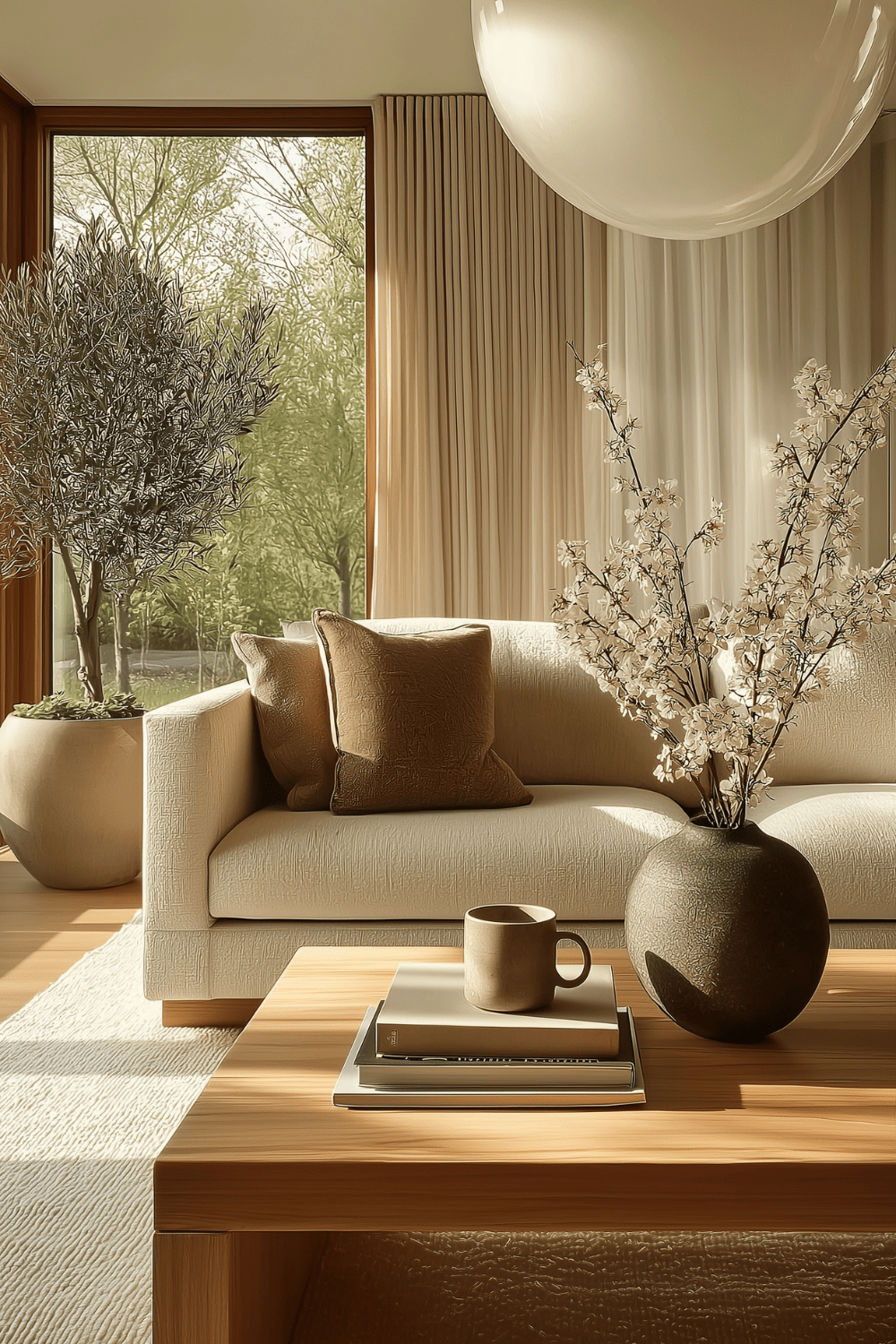
Your Home Should Feel Safe, Calm, and Restorative
For a long time, I didn’t fully realize how deeply my environment was affecting me. It wasn’t just about aesthetics or creating a beautiful space. It was about how my home made me feel emotionally, mentally, and physically. Over time, I began to understand that design therapy at home could become a real part of healing, grounding, and regulating my nervous system in a world that often feels overstimulating and overwhelming.
The spaces we live in quietly shape our daily experiences. Cluttered, chaotic environments can leave us feeling mentally drained without us even realizing why. On the other hand, calm spaces have the power to soften our thoughts, slow our breathing, and create a sense of emotional safety that allows us to finally exhale.
This is something I’ve experienced personally while cultivating a peaceful sanctuary within my own home. Through intentional design choices, softer lighting, natural textures, calming routines, and creating more breathing room, my space slowly began to support my well-being in ways I never expected. My home became more than just a place to live. It became a place to restore myself.
This post is not about creating a perfect home or chasing unrealistic standards. It’s about becoming more intentional with the spaces that surround you and paying attention to how those spaces make you feel. Small design shifts can create a meaningful emotional impact over time.
Your home should not constantly overstimulate your nervous system. It should support you. Comfort you. Ground you. And remind you that peace can exist within the spaces you create for yourself.
Clear Visual Clutter to Reduce Mental Overwhelm
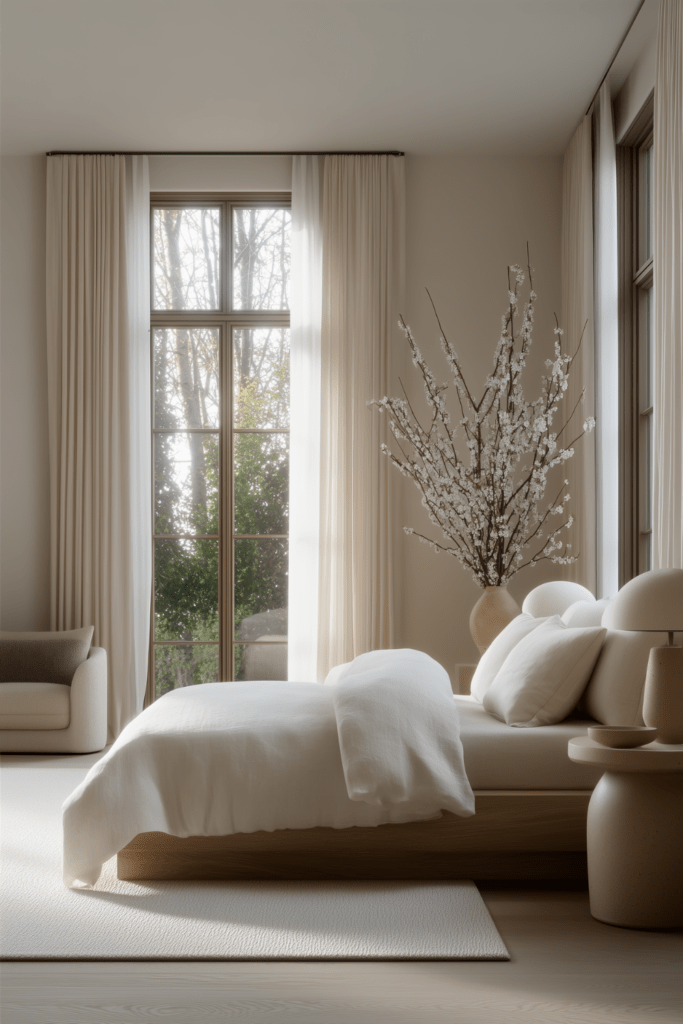
One of the most powerful things I’ve learned through design therapy at home is that clutter doesn’t just affect a space visually. It affects us emotionally, too.
When our homes feel overstimulating, crowded, or visually chaotic, our nervous systems often absorb that tension without us fully realizing it. The constant visual noise can quietly contribute to feelings of stress, restlessness, and mental fatigue. Sometimes we think we need more rest, when what we truly need is less overwhelm in the spaces surrounding us.
Creating a peaceful home environment often begins with simplifying what’s already there, not in a cold or restrictive way, but in a way that allows your home to breathe again. Calm spaces give your mind fewer things to process, which can create a surprising sense of emotional relief.
You don’t have to declutter your entire home overnight. In fact, I think the gentlest approach is the most sustainable.
Start small and move slowly:
- Clear one surface at a time
- Remove decor that feels visually heavy or unnecessary
- Leave breathing room on shelves, countertops, and tables
- Keep only pieces that feel useful, calming, or meaningful
- Focus on creating softness and openness instead of perfection
I’ve noticed that when a space feels lighter visually, my mind feels lighter too. There’s more room to think clearly, rest emotionally, and simply exist without feeling overstimulated.
A calming home atmosphere is often created through what we choose not to fill a space with. Sometimes peace begins with removing the excess and allowing simplicity to take its place.
Use Soft Lighting to Create Emotional Calm
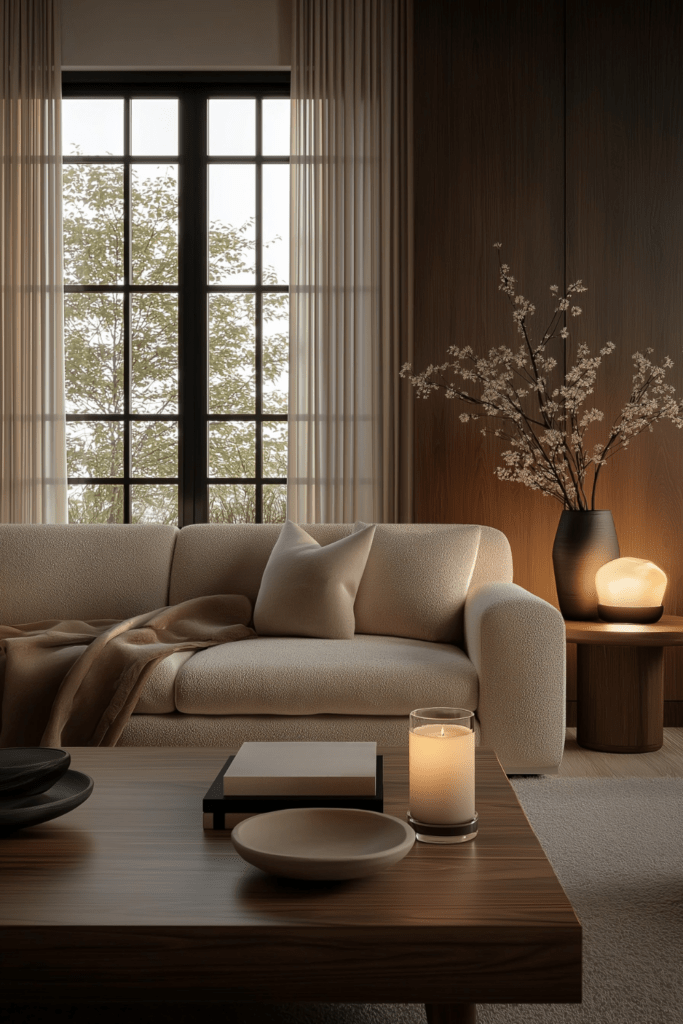
One of the most powerful shifts you can make in your home is changing the way it feels through lighting. Light has a direct effect on the nervous system, which is why certain spaces instantly feel calming while others feel overstimulating or emotionally draining.
Bright overhead lighting can often feel harsh, especially after a long day when your mind and body are craving rest. Softer lighting creates a gentler atmosphere that encourages your body to relax and unwind. In many ways, calming interior design begins with understanding how deeply atmosphere affects emotion.
A softly lit home feels slower. Warmer. More supportive.
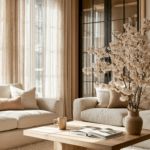
Natural light also plays an important role in creating a sanctuary home design that feels grounding and restorative. Sunlight filtering through linen curtains, the glow of a candle in the evening, or the warmth of a small table lamp can completely shift the emotional energy of a room.
To create softer, more calming lighting at home:
- Use warm-toned lamps instead of relying only on overhead lighting
- Layer lighting throughout the room for a cozy, balanced ambiance
- Light candles during quiet moments like journaling, reading, or evening routines
- Allow natural daylight to softly filter through sheer curtains
- Avoid overly bright or cool-toned bulbs that feel clinical or harsh
The goal is not perfect lighting. It’s creating an atmosphere that helps your body feel safe enough to exhale.
When a home is softly illuminated, it naturally invites more presence, stillness, and emotional ease.
Styling Note:
Try turning off overhead lighting for one evening and relying only on lamps and candlelight. You may be surprised by how much calmer your home instantly feels.
Surround Yourself with Natural Textures and Materials
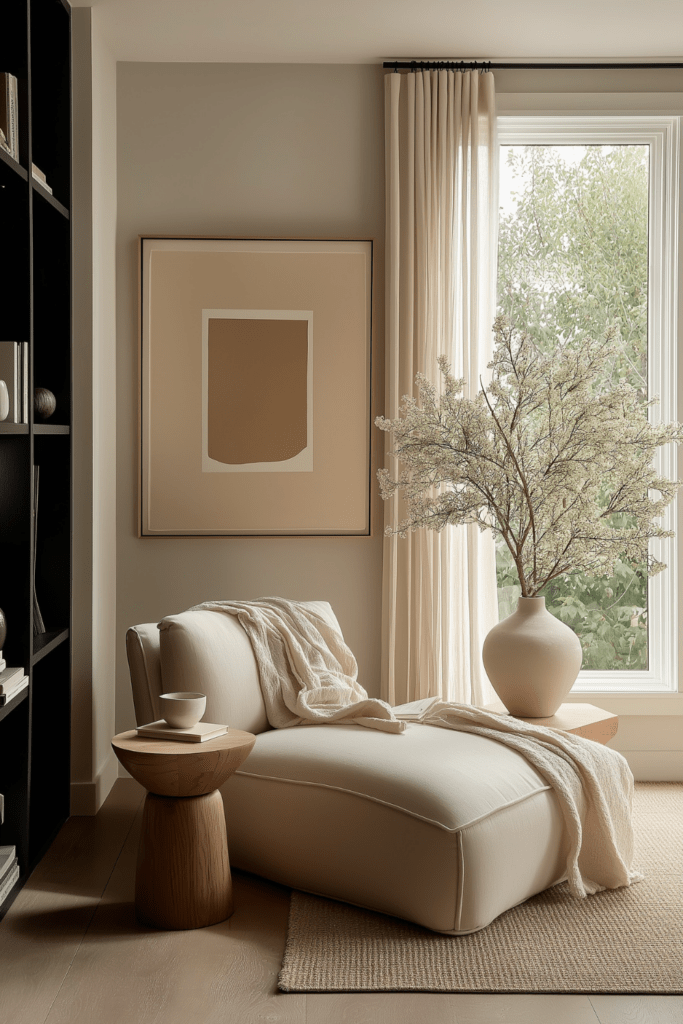
Another thing I’ve come to understand through design therapy at home is how deeply natural materials affect the way a space feels emotionally. There’s something incredibly grounding about being surrounded by textures that feel organic, soft, and connected to nature.
Synthetic, overly polished spaces can sometimes feel cold or emotionally distant. In contrast, natural materials bring warmth, depth, and a sense of comfort that helps a home feel more restorative and alive. Even subtle shifts in texture can influence how safe and relaxed your nervous system feels within a space.
Texture is powerful because we don’t just experience it visually. We feel it emotionally, too.
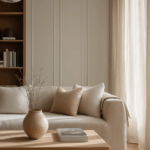
Soft linen curtains moving in the breeze, warm wood grain, handcrafted ceramics, wool textures, stone surfaces, and natural woven elements all contribute to a restorative home design that feels calming rather than overstimulating.
The goal is not to layer endlessly or create a perfectly styled space. It’s to surround yourself with materials that feel supportive, grounding, and emotionally comforting.
To incorporate more natural textures at home:
- Use materials like wood, linen, ceramic, wool, and stone
- Keep your color palette soft, warm, and neutral
- Layer textures gently without overcrowding the space
- Focus on warmth and comfort over perfection
- Incorporate organic elements that feel calming and lived-in
Mindful home styling often comes down to how a space makes your body feel when you walk into it. Natural materials have a quiet way of softening the emotional energy of a room and helping it feel more peaceful, balanced, and connected to nature.
Styling Note:
If a space feels emotionally cold or overstimulating, try introducing one natural texture first. Even something as simple as a linen throw blanket or ceramic vase can completely soften the atmosphere.
Create Quiet Spaces for Rest and Reflection
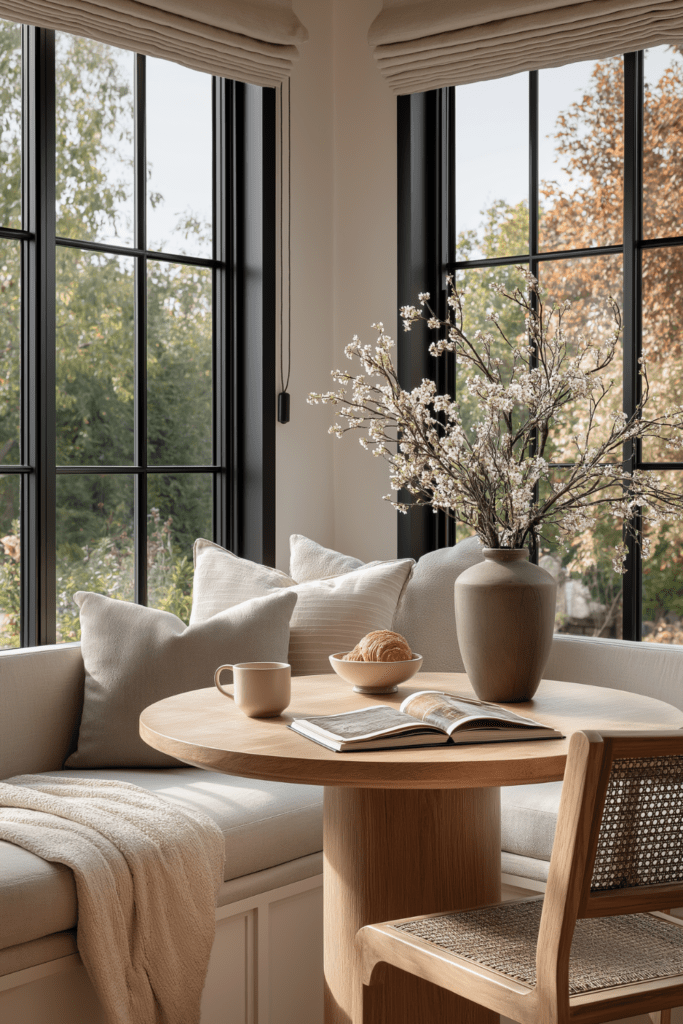
One of the most healing things you can do for yourself is create a space in your home where your nervous system feels safe enough to truly rest. Through design therapy at home, I’ve learned that emotional restoration often begins in the quiet moments we create for ourselves throughout the day.
Our homes should not only support productivity and responsibility. They should also support softness, stillness, and emotional decompression.
Even a single calming corner can become a place where you reconnect with yourself.
Peaceful living spaces encourage your mind and body to slow down. They gently signal that it’s okay to pause, breathe, reflect, and simply exist without constant stimulation. These spaces don’t need to be large or perfectly designed. What matters most is how they make you feel when you enter them.
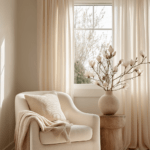
A cozy chair near a window. A softly lit bedroom. A quiet corner for journaling, reading, or morning coffee. Small intentional spaces often become the most emotionally supportive parts of a home.
To create a more restorative environment:
- Design a reading nook or reflection corner that feels calm and inviting
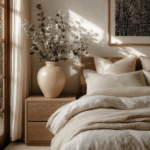
- Keep bedrooms soft, uncluttered, and visually peaceful
- Incorporate warm lighting, soft textiles, and comforting textures
- Create areas that encourage quiet routines and mindful moments
- Leave space for stillness instead of filling every corner
A cozy peaceful home is not about having more. It’s about creating spaces that allow your nervous system to finally soften.
When your environment supports rest and reflection, your home begins to feel less like a place you simply live in and more like a sanctuary that emotionally supports you every day.
Styling Note:
Choose one area of your home to intentionally slow down in this week. Even ten quiet minutes in a calming space can completely shift your emotional energy.
Let Your Home Evolve Alongside Your Healing
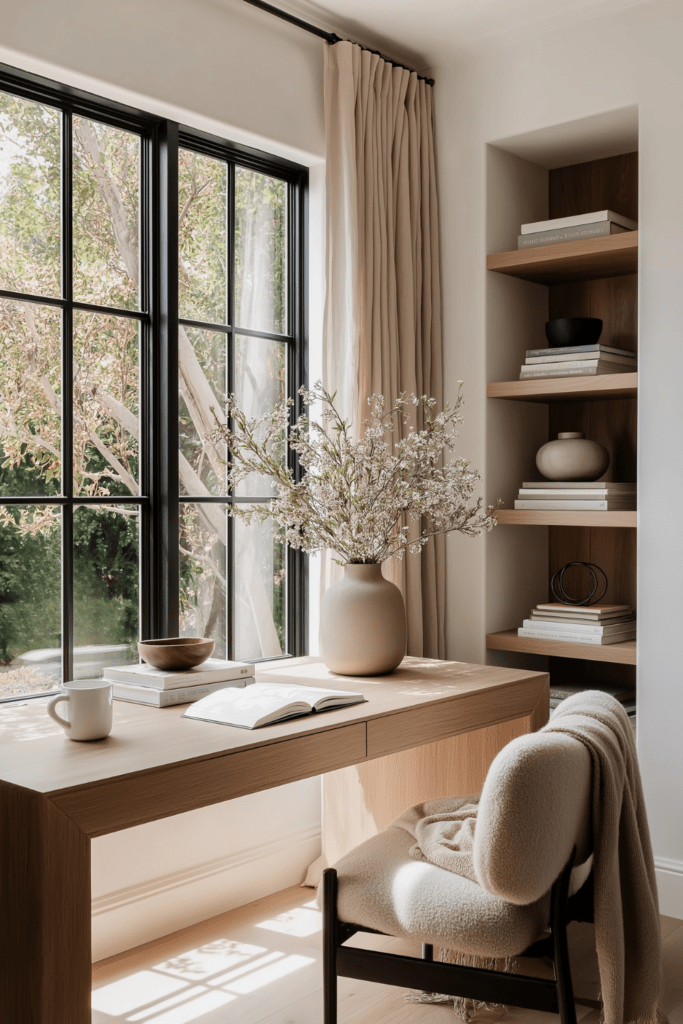
One of the most important things I’ve learned throughout my own journey is that healing is not linear, and neither is creating a peaceful home. The spaces that support us emotionally will naturally shift and evolve as we do.
There is so much pressure online to create a perfectly styled home overnight, but true intentional living at home is much softer than that. It’s a gradual process of listening to yourself, noticing what feels supportive, and slowly shaping your environment in ways that bring more peace into your daily life.
Your home does not need to be finished to be healing.
Some seasons of life call for more rest. Others call for simplicity, grounding, softness, or renewal. A healing home environment evolves alongside those emotional needs. It becomes less about following trends and more about creating a space that genuinely nurtures your well-being.
This is why I believe the most beautiful homes are the ones created with emotional intention rather than perfection.
To create a home that grows with you:
- Focus on progress instead of perfection
- Edit your spaces regularly as your needs evolve
- Choose pieces that genuinely support comfort and calm
- Let go of items that no longer align with how you want to feel
- Allow your home to reflect your emotional growth over time
A thoughtfully designed home becomes more than just a beautiful space. It becomes a sanctuary that supports peace, healing, and emotional well-being in quiet, meaningful ways.
The beauty of this journey is that there is no final destination. Your home can continue becoming softer, calmer, and more aligned with you over time.
Styling Note:
Instead of asking, “Does my home look perfect?” try asking, “Does my home support the way I want to feel?” That small shift changes everything.
Creating a Home That Feels Like an Exhale
At its core, design therapy at home is not really about decorating. It’s about creating an environment that emotionally supports you through the rhythms of everyday life.
Our homes have the power to influence how we feel, think, rest, and move through the world. When a space feels calm, intentional, and nurturing, it can gently help regulate the nervous system and create more emotional ease within our daily routines.
The smallest shifts often make the biggest difference.
A softer light. A cleared surface. A quiet corner. A natural texture. A moment of stillness near a window with sunlight pouring in. These simple design choices may seem small, but together they create a home that feels peaceful, grounding, and restorative.
And the beautiful thing is that none of this requires perfection.
Creating a peaceful home is an ongoing process of listening to yourself, slowing down, and intentionally designing spaces that support calm and restoration. Your home should feel emotionally supportive, not overstimulating. It should feel like a place where your body can soften and your mind can finally exhale.
Start with one small shift.
Focus on how your home feels emotionally.
Allow your space to evolve slowly alongside your healing.
Over time, those intentional choices become something much deeper than decor. They become part of the way you care for yourself.
Save this post to Pinterest for your next peaceful home reset 🤍✨
Explore more Organic Modern and intentional living inspiration on Divine Decor Finds 🌿