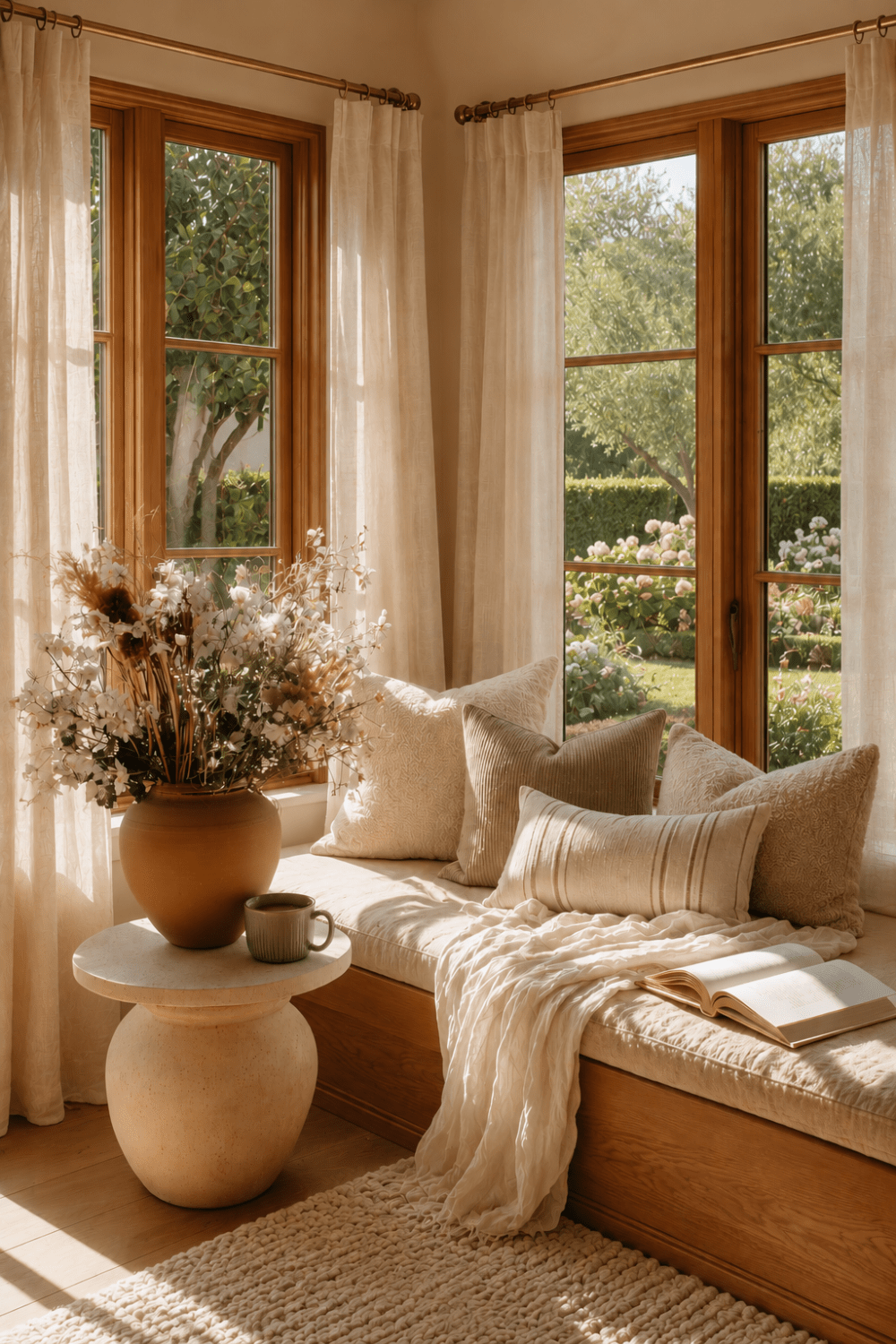
Why Designers Are Prioritizing Ritual Spaces Over Formal Rooms
Have you ever noticed that the spaces you use most often are rarely the largest rooms in your home? The growing popularity of ritual spaces at home reflects this shift. Sometimes it’s a cozy chair by a window, a peaceful spot for your morning matcha, or a quiet corner where you unwind after a long day. These small spaces often bring more value to our daily lives than formal rooms that sit unused most of the year.
Today, designers are moving away from creating rooms that exist primarily for appearances and are instead focusing on spaces that support comfort, well-being, and meaningful routines. As our lives become busier and more connected to technology, many people are craving homes that help them slow down, be present, and reconnect with what matters most.
I love this shift because it reminds us that a beautiful home is about more than how it looks. It’s about how it supports the life we want to live. Whether it’s a reading retreat, a journaling nook, or a small outdoor sanctuary, these intentional spaces encourage the moments that make everyday life feel richer and more meaningful.
In this post, we’ll explore seven ritual spaces designers are creating instead of formal rooms and why these thoughtful spaces are becoming some of the most loved areas in today’s homes. 🌿🤍
1. The Morning Matcha Corner
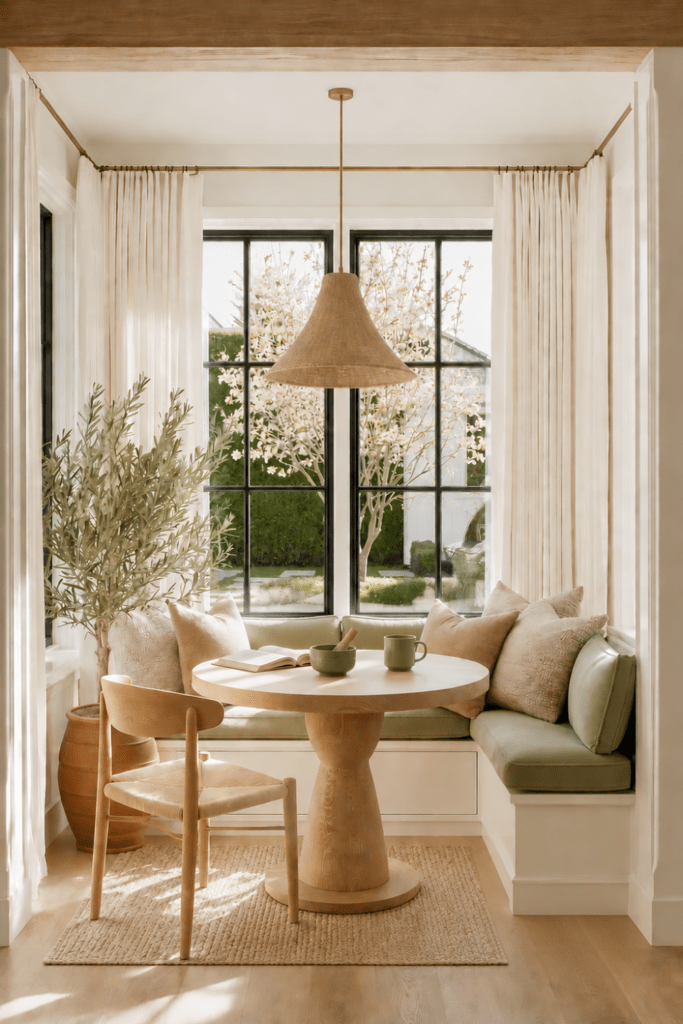
Some of the most meaningful spaces in our homes aren’t entire rooms. They’re small corners that support the routines we look forward to most. That’s one reason designers are increasingly creating dedicated spaces for morning rituals rather than focusing solely on formal rooms that may rarely be used.
A morning matcha corner is a perfect example of this shift. Whether it’s a built-in window seat, a cozy armchair beside a sunny window, or a quiet nook tucked into the kitchen, these spaces are designed to encourage a slower, more intentional start to the day. They prove that comfort and atmosphere often matter far more than square footage.
The most inviting morning matcha corners often include:
- Comfortable seating positioned near natural light
- A small pedestal table or side table for a matcha latte, tea, or journal
- Soft textiles like linen, boucle, and cotton that add warmth and comfort
- Natural materials such as wood, stone, and ceramics for an Organic Modern feel
- A peaceful atmosphere that encourages you to linger rather than rush
I love this approach because it reminds us that everyday routines deserve beautiful spaces too. Something as simple as preparing a matcha latte or enjoying a cup of tea can feel more special when you have a dedicated place to pause, reflect, and ease into the day.
Styling Note:
Keep your favorite mug, matcha bowl, or tea accessories within reach. When the items you use daily are beautifully displayed, everyday routines feel more intentional and enjoyable.
2. The Reading Retreat
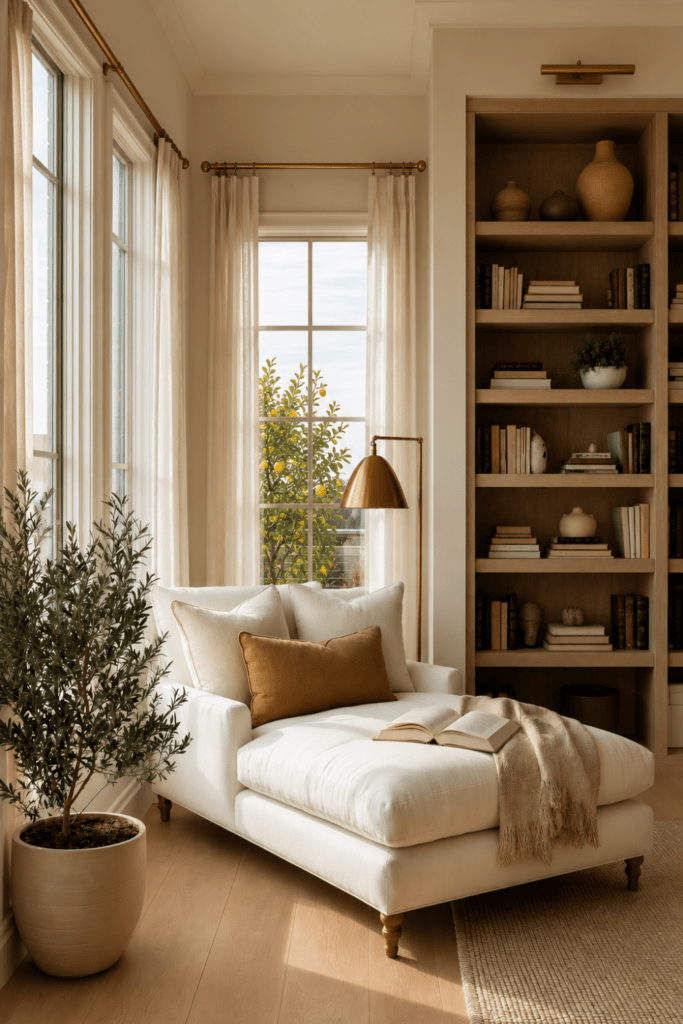
Not every retreat requires a plane ticket or a weekend away. Sometimes it’s a comfortable chair, a good book, and twenty uninterrupted minutes at the end of the day.
That’s one reason reading retreats have become one of the most popular ritual spaces at home. As our lives become increasingly busy and digitally connected, many designers are creating dedicated spaces that encourage us to slow down, unplug, and spend more time doing things that restore our energy.
The beauty of a reading retreat is that it doesn’t require an entire room. A quiet corner in the living room, an unused nook near a window, or even a comfortable chair tucked beside a bookshelf can become a place to escape for a little while. These small spaces often have a surprisingly big impact on how a home feels.
Unlike formal seating areas that are designed primarily for appearance, reading retreats are designed for comfort. The goal is to create a space that invites you to settle in, relax, and stay awhile.
Many designers are incorporating:
- A comfortable lounge chair or chaise for extended reading sessions
- Layered lighting that works during both the day and evening
- Bookshelves or book storage within easy reach
- Soft textiles like linen, wool, and boucle for added comfort
- Natural materials that create a calm, grounded atmosphere
- A distraction-free environment that encourages presence and relaxation
I think what makes these cozy home retreats so appealing is that they support something many of us are craving right now: stillness. In a world that constantly competes for our attention, having a dedicated place to slow down and get lost in a book can feel surprisingly luxurious.
Sometimes the smallest restorative spaces become the ones we value most.
Styling Note:
Keep a small stack of books you’re genuinely excited to read nearby. When books are visible and easily accessible, you’re far more likely to reach for them and create space for moments of quiet escape.
3. The Journaling & Creativity Nook
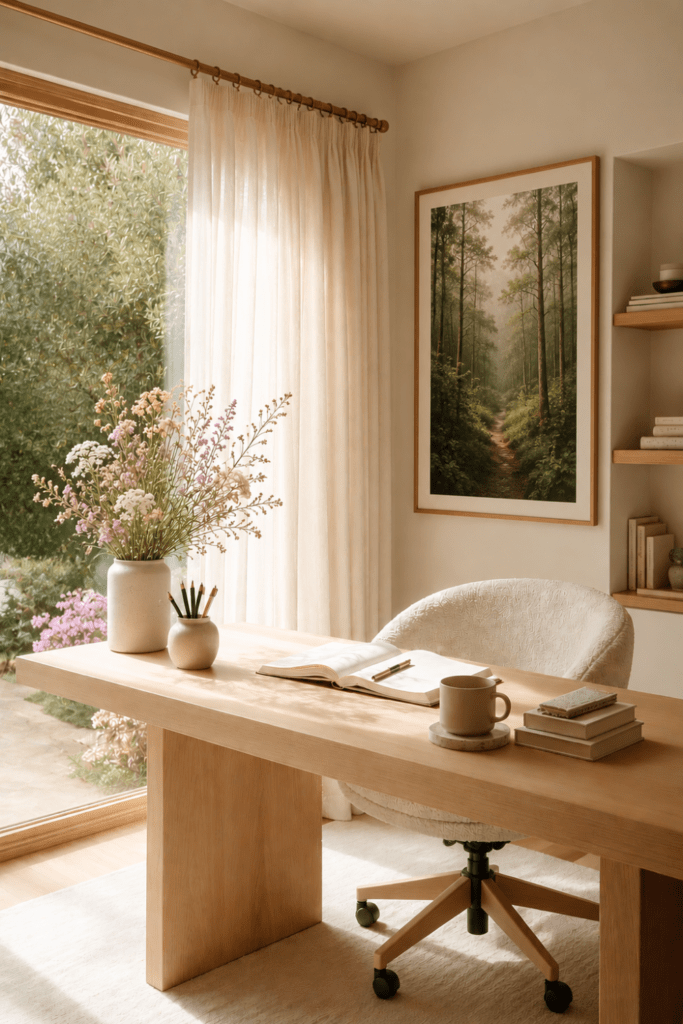
Not every space in our homes needs to be designed for productivity. Sometimes the most valuable spaces are the ones that help us slow down, reflect, and reconnect with ourselves.
That’s one reason designers are increasingly creating dedicated journaling and creativity nooks. Rather than filling every room with furniture for entertaining, many homeowners are carving out smaller purpose-driven spaces that support self-expression, mindfulness, and personal growth.
A journaling nook can be surprisingly simple. It might be a writing desk tucked beside a sunny window, a quiet corner of the bedroom, or a small workspace layered with meaningful objects that inspire creativity. What matters most is that the space feels intentional and inviting.
These intentional living spaces encourage us to step away from distractions and make time for activities that often get pushed aside in busy seasons of life. Whether you’re journaling, sketching, planning future goals, or simply putting pen to paper, having a dedicated place for creative pursuits makes it easier to build those habits into everyday life.
Many designers are incorporating:
- A small writing desk or dedicated work surface
- Natural light whenever possible
- Comfortable, supportive seating
- Beautiful yet functional organization
- Storage for journals, art supplies, or creative tools
- Natural materials that create a calm and inspiring atmosphere
I love this approach because it recognizes that our homes should support who we’re becoming, not just how we live today. Sometimes a simple desk, a favorite journal, and a quiet place to think are all we need to spark a new idea or gain clarity on what matters most.
Styling Note:
Display a journal you’re currently using and keep a beautiful pen within reach. When creative tools are visible and easily accessible, you’re more likely to sit down and use them.
4. The Evening Wind-Down Space
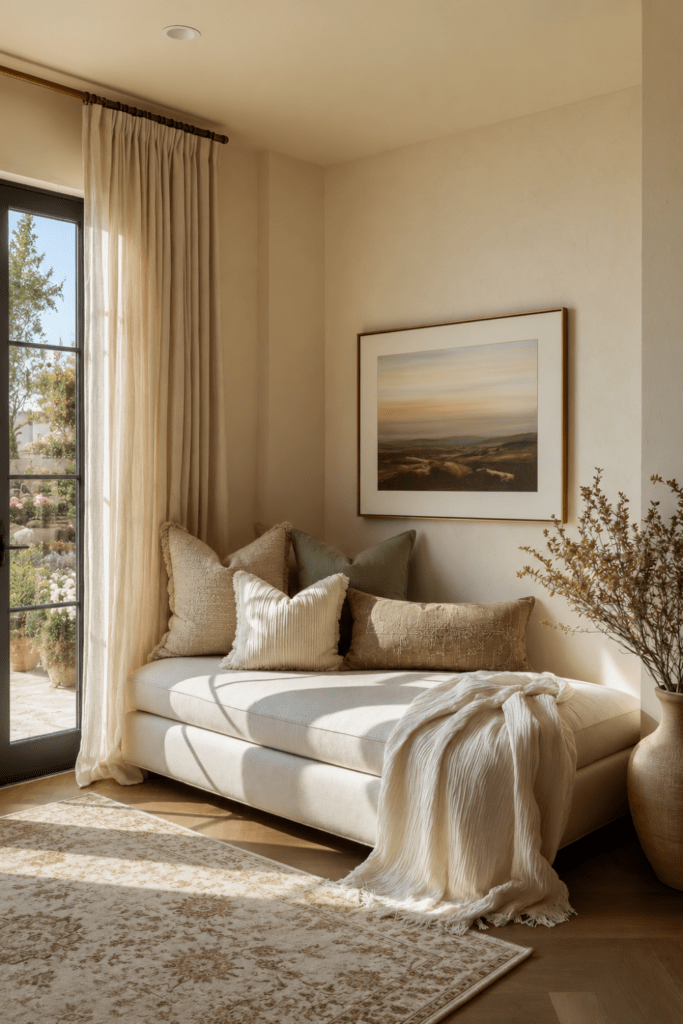
At the end of a long day, most of us aren’t looking for more stimulation. We’re looking for a place to exhale.
That’s one reason designers are increasingly incorporating dedicated evening retreats into their projects. While many areas of the home are designed around activity and productivity, these ritual spaces at home are intentionally designed to support rest, reflection, and a slower transition into the evening.
Unlike a traditional living room that often revolves around television or entertaining, an evening wind-down space is centered around how you want to feel. It might be a cozy reading chair beside a softly lit lamp, a comfortable daybed layered with pillows and throws, or a quiet corner where you can enjoy a cup of tea before bed. The goal isn’t to fill the space with more furniture. It’s to create an atmosphere that encourages you to slow down.
Many designers are embracing wellness-focused interiors that help signal to the body and mind that it’s time to rest. Small design choices can have a surprisingly powerful impact on how a space feels as daylight fades.
The most inviting evening wind-down spaces often include:
- A comfortable lounge chair, chaise, or daybed
- Layered ambient lighting rather than harsh overhead fixtures
- Soft throws and tactile natural textures
- A small table for tea, books, or journaling
- Warm wood tones and calming neutral colors
- A distraction-free environment that encourages presence
I love this approach because it reminds us that our homes should support relaxation just as much as productivity. We spend so much time designing spaces for getting things done, yet some of the most meaningful moments happen when we’re finally able to slow down and simply be.
The most memorable calming home environments aren’t necessarily the most elaborate. They’re the ones that help us feel safe, comfortable, and restored after a busy day.
Styling Note:
Choose lighting that creates a gentle glow rather than bright task lighting. A warm table lamp, dimmable wall sconce, or softly lit corner can instantly make an evening space feel more relaxing and inviting.
5. The Indoor-Outdoor Sanctuary
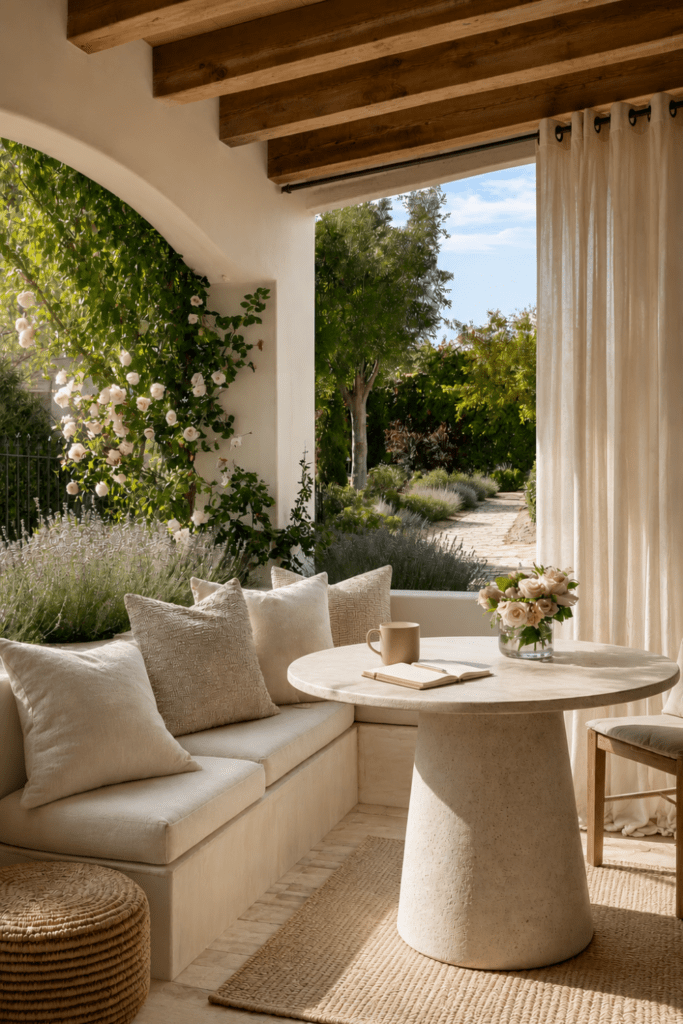
Some of the most restorative spaces in a home aren’t always inside the home.
As people continue to prioritize well-being and slow living, designers are creating outdoor areas that feel like natural extensions of the interior. Whether it’s a small balcony, covered patio, garden seating area, or cozy porch, these spaces are becoming everyday retreats designed for relaxation rather than occasional use.
What I love most about this approach is that it doesn’t require a large backyard or a major renovation. Even a small outdoor nook can become a meaningful place to enjoy a morning matcha, read a few chapters of a book, or unwind at the end of the day.
The most successful indoor-outdoor sanctuaries often include:
- Comfortable seating designed for lingering
- Soft outdoor textiles and layered accent pillows
- Natural materials such as teak, stone, rattan, and linen
- Planters filled with seasonal flowers, herbs, or greenery
- A small table for drinks, books, or journaling
- Thoughtful lighting for early mornings and evenings
These spaces for slow living remind us that nature doesn’t have to be reserved for vacations or weekend getaways. Sometimes stepping outside for a few quiet moments is enough to help us feel more grounded, present, and connected to the world around us.
Even the smallest peaceful corners at home can become places of rest, renewal, and reflection when they’re designed with intention.
Styling Note:
Treat your outdoor retreat with the same care you would a favorite room inside your home. Layer in accent pillows, planters, and soft lighting to create a space you’ll genuinely want to use throughout the day.
6. The Gathering Space That Replaces the Formal Living Room
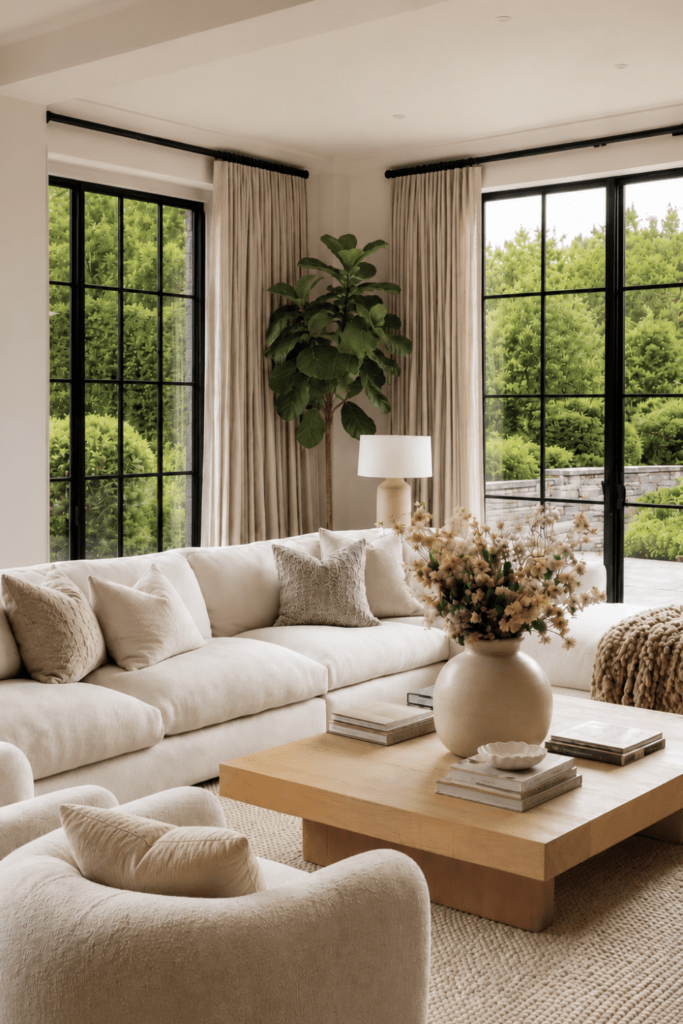
For years, many homes included a formal living room that looked beautiful but was rarely used. Today, designers are moving away from spaces designed primarily for appearance and creating rooms that support how people actually live.
These ritual spaces at home reflect a growing desire for comfort, connection, and everyday functionality. Instead of arranging furniture to impress guests, designers are creating gathering spaces where family members can relax, conversations can unfold naturally, and memories can be made without feeling staged.
The most inviting gathering spaces often include:
- Conversation-focused furniture arrangements
- Comfortable sofas and lounge chairs designed for lingering
- Layered lighting that creates warmth throughout the day and evening
- Natural materials such as wood, linen, stone, and wool
- Flexible layouts that adapt to everyday life and entertaining
What I love most about this shift is that it reminds us that the best rooms in a home aren’t necessarily the most formal. They’re the spaces people naturally gravitate toward after a long day. The places where stories are shared, laughter fills the room, and simple moments become lasting memories.
These comfort-driven interiors prioritize connection over perfection. They feel welcoming, lived in, and deeply personal. And that’s exactly why they’re replacing the traditional formal living room in so many homes.
Styling Note:
Arrange seating so people naturally face one another rather than focusing every piece of furniture around a television. Even a small adjustment in furniture placement can make a room feel more inviting and encourage meaningful conversation.
7. The Everyday Sanctuary
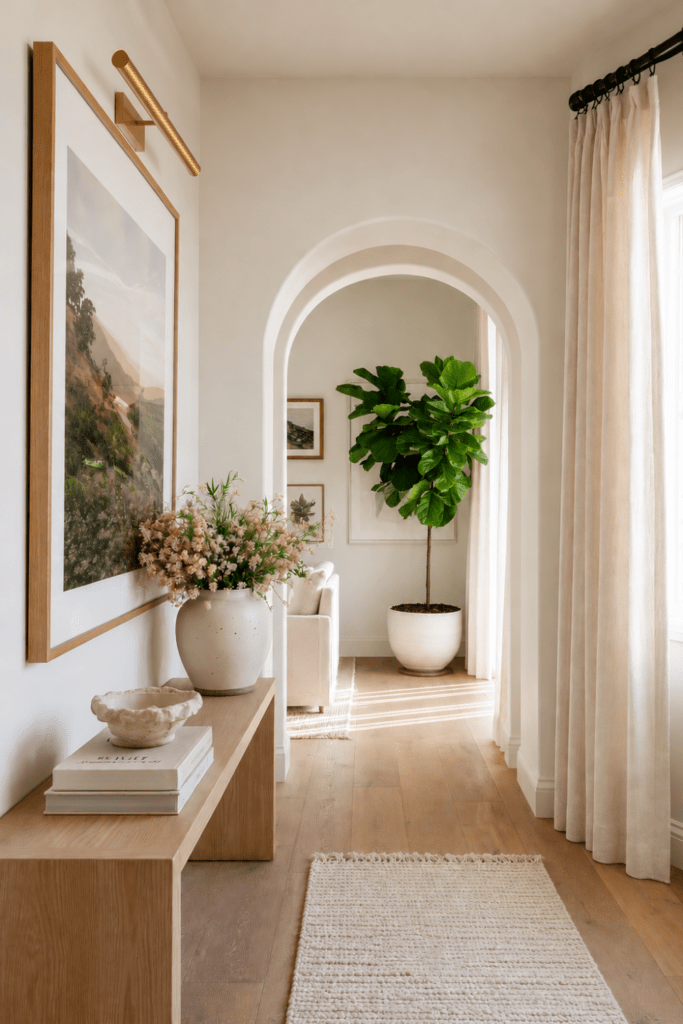
Not every meaningful space in a home needs a specific purpose. Sometimes the most valuable spaces are the ones that simply make us feel at ease.
Designers are increasingly creating everyday sanctuary spaces that prioritize comfort, beauty, and emotional well-being. Unlike traditional rooms that are designed around a single activity, these spaces are more flexible. They evolve alongside changing routines, seasons of life, and personal needs.
A favorite chair in a sunny corner, a thoughtfully styled hallway, or a quiet spot filled with meaningful objects can become a sanctuary in its own right. These spaces aren’t necessarily designed for productivity or entertaining. They’re designed to support how you want to feel when you’re at home.
The most inviting everyday sanctuary spaces often include:
- Comfortable furnishings that encourage relaxation
- Meaningful objects that reflect your personality and lifestyle
- Natural materials and layered textures
- Flexible spaces that can evolve over time
- Thoughtful details that create a sense of comfort and belonging
What I love about these emotionally supportive interiors is that they remind us that our homes don’t have to be perfect to be meaningful. Often, it’s the simplest spaces that become the ones we return to again and again.
As our lives change, these personal sanctuaries can change with us. That’s what makes them feel so special. They’re designed not around a trend or a specific function, but around the people who live there.
Styling Note:
Choose one meaningful object to display in your sanctuary space, whether it’s a favorite book, a treasured photograph, or a piece collected during your travels. Personal touches help transform a beautiful space into one that feels uniquely yours.
Designing a Home Around the Life You Want to Live
At the heart of this design movement is a simple idea: our homes should support the way we want to live, not just the way we want them to look.
As designers continue embracing ritual spaces at home, we’re seeing a shift away from rooms designed solely for appearances and toward spaces that support comfort, connection, well-being, and everyday living. Whether it’s a morning matcha corner, a reading retreat, a creative nook, or an outdoor sanctuary, these spaces help transform ordinary routines into meaningful moments.
The most beautiful homes aren’t necessarily the largest or most perfectly styled. They’re the ones that feel personal, welcoming, and thoughtfully designed around the people who live in them. When we create spaces that support our daily habits and values, home becomes more than a place we live; it becomes a place that helps us thrive.
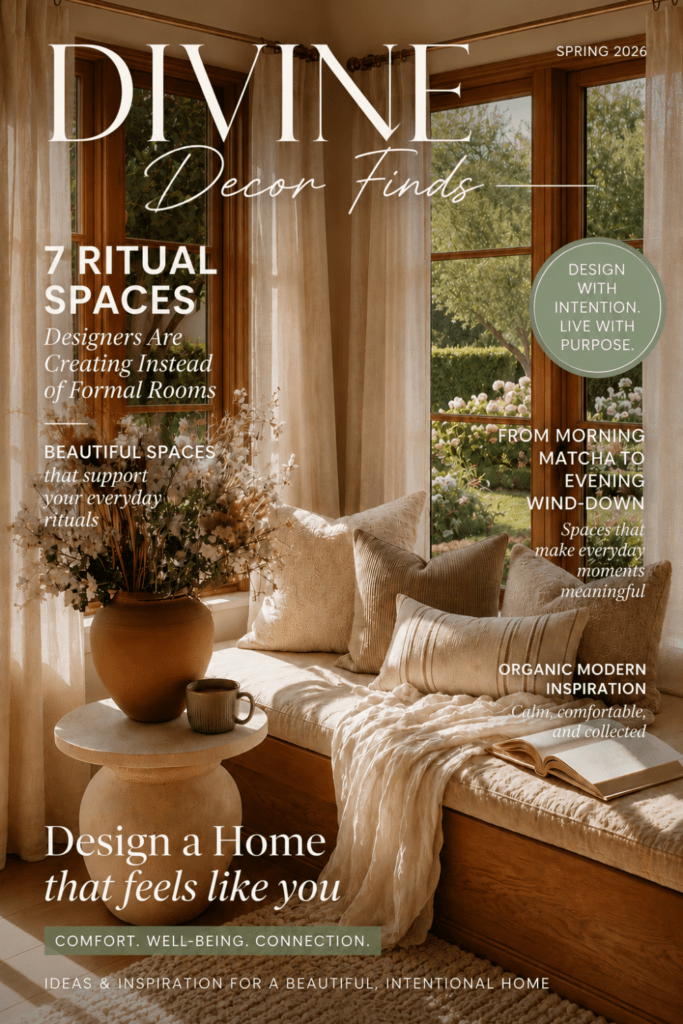
Save this post to Pinterest for future home inspiration 🤍
And if you love designer-inspired interiors, be sure to explore more Organic Modern decorating ideas and home inspiration here on Divine Decor Finds. 🌿