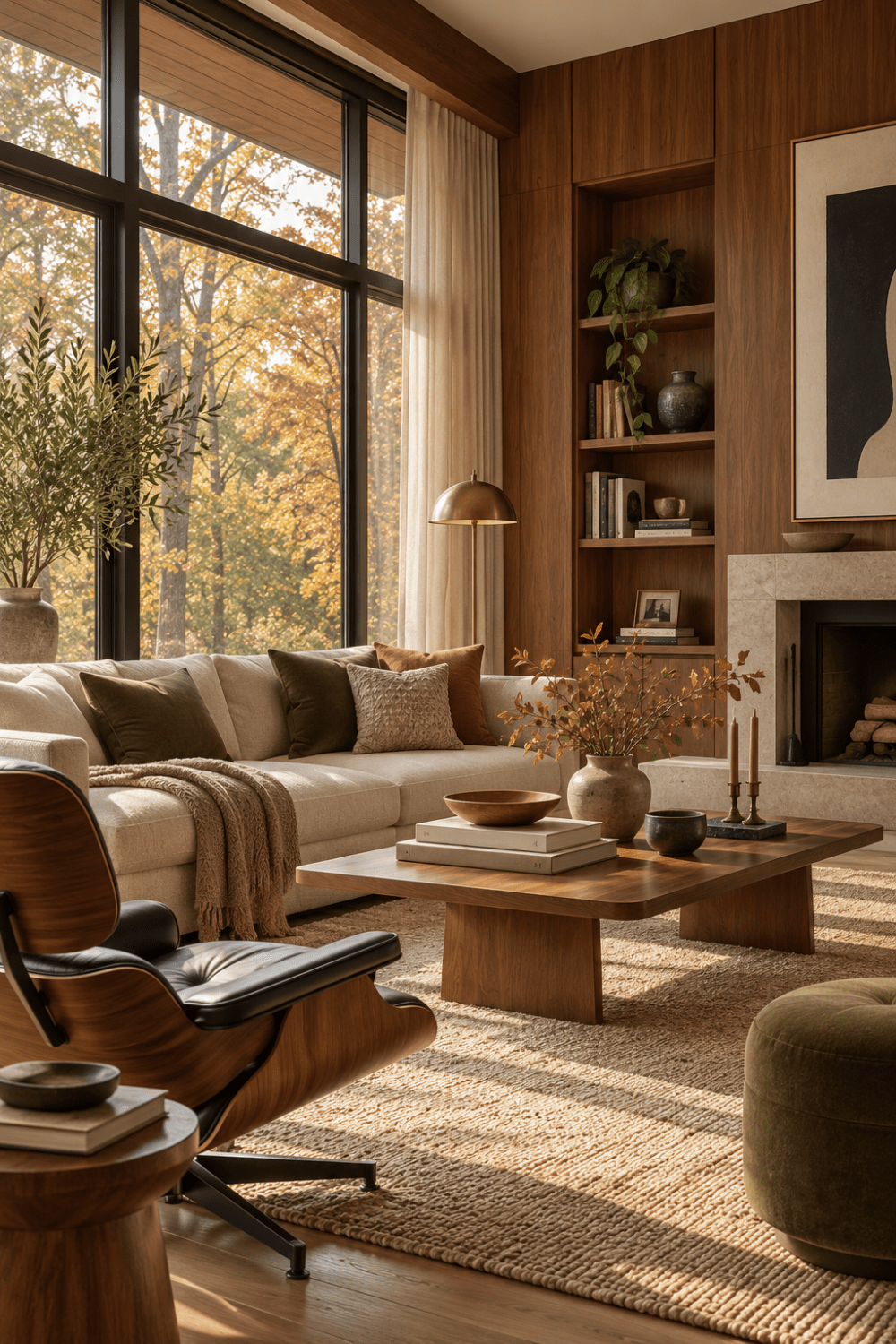
A Beautiful Room Does Not Have to Look Finished
Some rooms stay with you long after you leave them. Not because every piece is perfect or every corner is styled, but because there is something about the space that feels unmistakably personal. You can sense that the furniture was chosen with care, that certain objects mean something, and that the room did not appear overnight. That quiet individuality is what makes a collected home feel so compelling.
It is easy to believe that a beautiful room should eventually reach a point where everything is complete. The right sofa is in place, the walls are filled, every surface has been considered, and there is nothing left to change. But sometimes that pursuit of perfection can take away the very thing that makes a home interesting: the feeling that real life has shaped it.
Creating that sense of character does not require a house full of antiques, expensive inherited pieces, or years spent searching flea markets. It begins much more simply, by choosing what genuinely feels right for you and allowing those choices to build gradually rather than trying to solve the entire room at once.
A piece can be beautiful because of where you found it, what it reminds you of, or simply because you loved it enough to bring it home. And when those choices are allowed to coexist instead of being perfectly coordinated, the room begins to feel less like something you styled and more like somewhere you belong.
Your home does not need to become more perfect to become more beautiful. Sometimes it simply needs the freedom to become more you.
Let the Room Look Acquired, Not Purchased
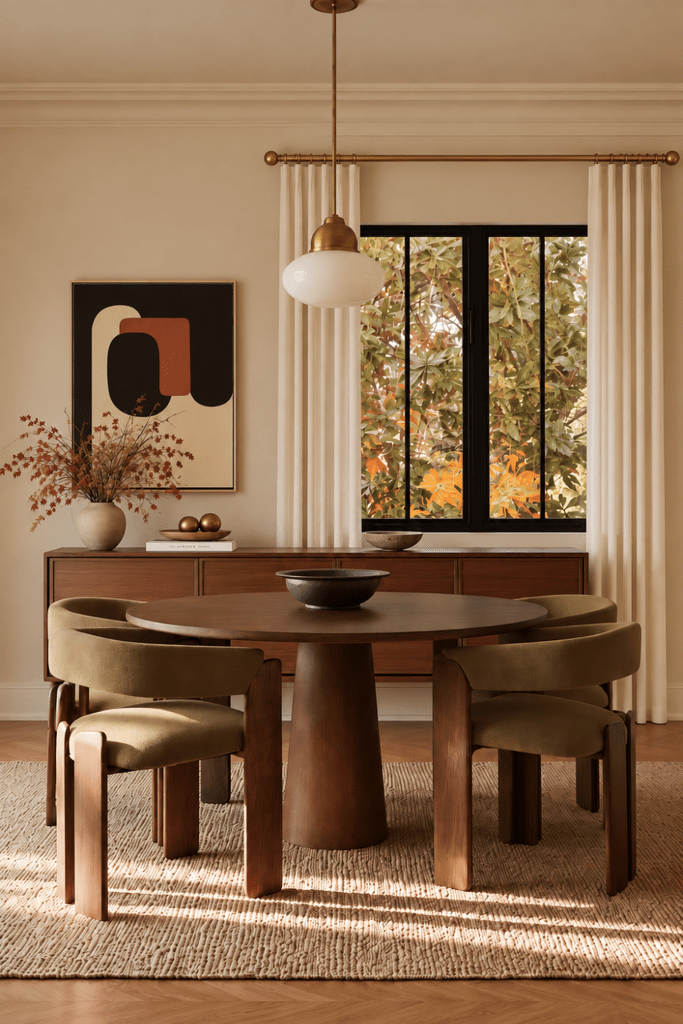
One of the easiest ways for a room to lose some of its personality is when every piece feels as though it came from the same collection. Matching furniture can certainly make decorating simpler, but when the sofa, tables, lamps, and storage pieces all repeat the same finish and design language, the room can begin to feel more like a showroom than a home.
A collected home feels different because the pieces relate without being identical. A tailored sofa might sit beside an older wood table. A simple walnut console can support a contemporary lamp. A traditional chest can feel completely fresh beneath modern artwork. The goal is not contrast for the sake of contrast. It is creating enough variation that the room feels naturally developed rather than purchased all at once.
Before buying anything new, look for the places where your room may be matching a little too closely:
- Break up matching furniture sets gradually rather than replacing everything.
- Vary wood tones slightly instead of repeating one exact finish.
- Combine furniture silhouettes with different personalities.
- Let one or two pieces feel a little unexpected.
- Keep scale and proportion consistent so the room still feels balanced.
That distinction between matching and coordinating is what gives collected interiors their character. Pieces can feel connected through material, color, or proportion while still bringing something individual to the room.
Styling Note: If several pieces came from the same furniture collection, change one supporting element first. An end table, lamp, or chair with a different personality may be enough to make the entire room feel less coordinated and more like you.
Mix Time Periods Without Turning the Room Into a Theme
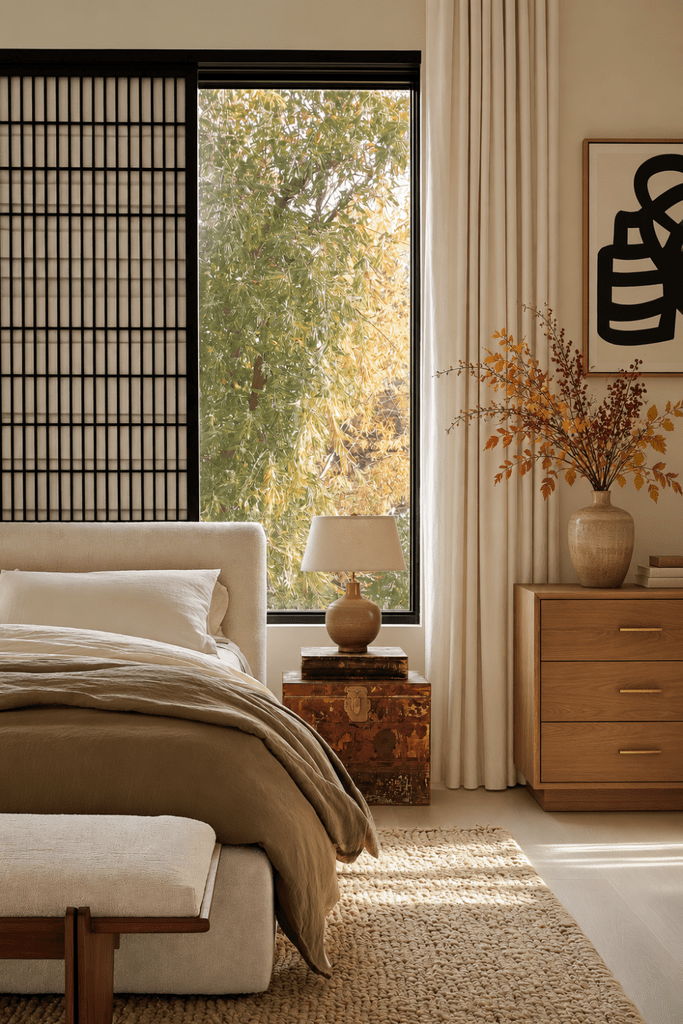
A room often becomes more interesting when everything does not belong to the same moment in design. A contemporary sofa beside an older wood table, or a traditional brass lamp against clean-lined cabinetry, can create just enough contrast to keep the space from feeling locked into one style or trend.
The key is restraint. Mixing vintage and modern decor works best when the older pieces feel intentional rather than collected for the sake of looking eclectic. Sometimes one chest with beautiful patina or one aged ceramic vessel is enough to give a room character. Materials such as walnut, brass, linen, stone, and pottery can help pieces from different periods relate to one another without making them match.
To introduce a sense of history without overwhelming the room:
- Start with one older piece instead of building an entire vintage collection.
- Look for craftsmanship, material, and proportion rather than a specific era.
- Pair more ornate furniture with simpler surroundings.
- Use contemporary artwork to make traditional pieces feel fresh.
- Allow natural wear to remain when it adds warmth and character.
When you mix old and new furniture thoughtfully, the room begins to feel less precious and more approachable. A little irregularity can make the space feel lived with, not staged.
Styling Note: If an older piece has beautiful material, proportions, or craftsmanship, do not rush to refinish away every sign of age. Sometimes the evidence that it has existed before you is exactly what makes it worth keeping.
Choose Pieces With a Reason to Belong
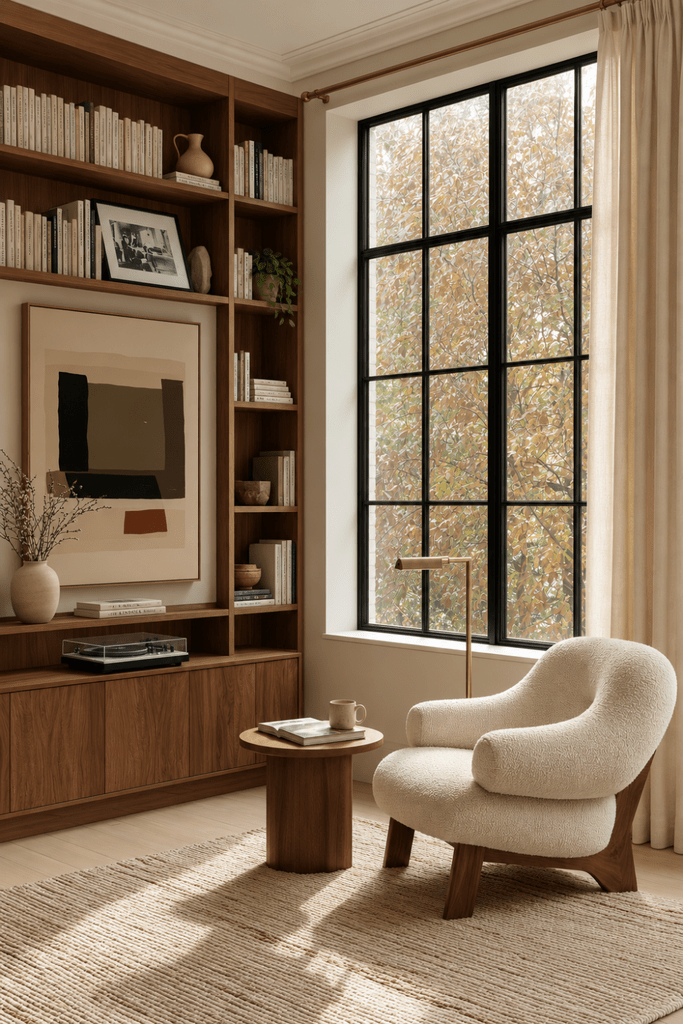
A room becomes more memorable when some of the objects inside it reveal something about the person who lives there. It might be a book you have returned to for years, a piece of pottery you found while traveling, a framed photograph, or something connected to a hobby or season of life. Those choices give the room a sense of identity that decorative filler rarely can.
A collected home does not need every object to carry a dramatic story. What matters is that enough of the room feels genuinely chosen rather than added simply because it fits the aesthetic. That is also why recreating an inspiration photo exactly can sometimes leave a space feeling beautiful but strangely anonymous. Personal home decor works best when it reflects what you actually care about, not only what looks good together.
To bring more personal meaning into the room:
- Display a book you genuinely love instead of one chosen only for its cover.
- Give inherited pieces a visible place when they still feel meaningful to you.
- Frame a photograph, print, or piece of art connected to an experience you remember.
- Choose pottery or handmade objects that remind you of where you found them.
- Look for something connected to a hobby, interest, or part of your everyday life.
- Before buying another accessory, ask yourself, Why do I want this in my home?
Meaningful decor does not have to be expensive, rare, or impressive. It simply needs a reason to belong. When a room contains enough genuine choices, it begins to feel recognizable as yours, even to someone who has never been there before.
Styling Note: Before adding something purely decorative, look through a drawer, cabinet, or closet for an object you already love. The piece that deserves to be seen may already be in your home.
Repeat Something Quietly to Hold It All Together
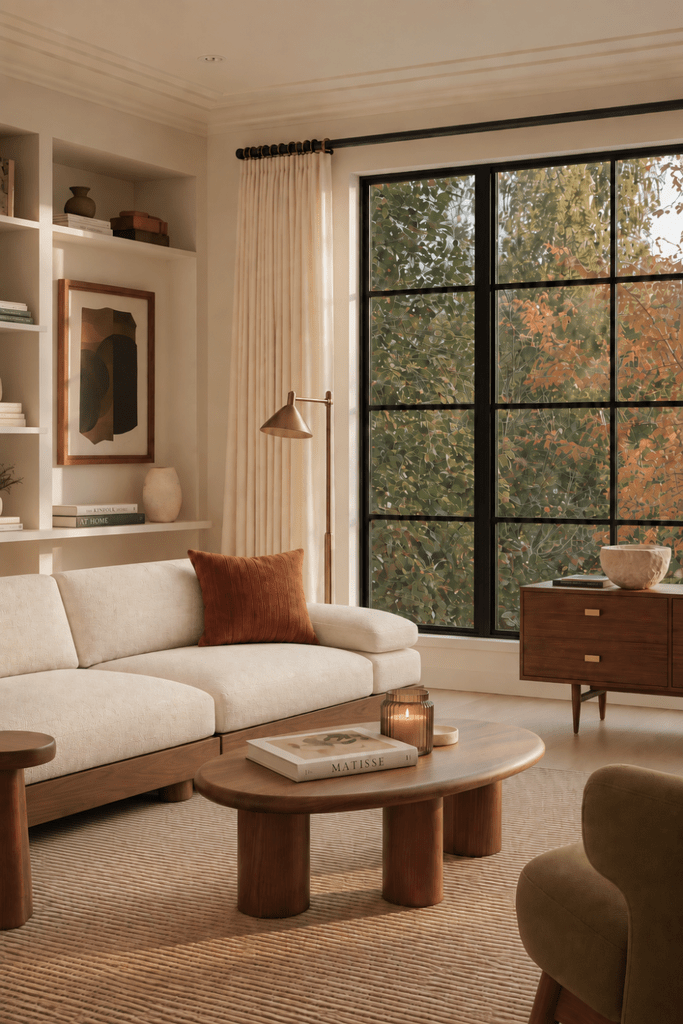
A room can hold pieces from different periods, styles, and stories without feeling scattered. The secret is usually not more matching. It is repetition. When certain materials, colors, or finishes appear more than once, the eye begins connecting the room naturally.
That is what gives a collected home visual cohesion. A vintage walnut chest might relate to a contemporary walnut coffee table without looking like part of a set. An aged brass lamp can quietly echo cabinet hardware across the room, while a rust-colored pillow might pick up a similar tone in a piece of artwork. Even something as simple as creamy linen repeated in curtains and upholstery can create a subtle thread between otherwise different pieces.
To create cohesion without making everything match:
- Repeat one wood tone in two or three places throughout the room.
- Echo a metal finish through lighting, hardware, or a small decorative object.
- Pull one color from artwork into a textile or accessory elsewhere.
- Repeat similar natural materials, such as linen, stone, pottery, or wool.
- Look for related shapes or finishes rather than identical pieces.
- Stop after a few repetitions so the room still feels varied and personal.
Material repetition works best when it is quiet enough that you notice the harmony before you notice the formula. Two or three echoes are often all a layered home needs to feel intentional rather than random.
Styling Note: When two pieces seem unrelated, look for a third element that can connect them. Repeating one wood tone, metal, or color elsewhere may be enough to make the relationship feel completely intentional.
Leave Room for the Next Chapter
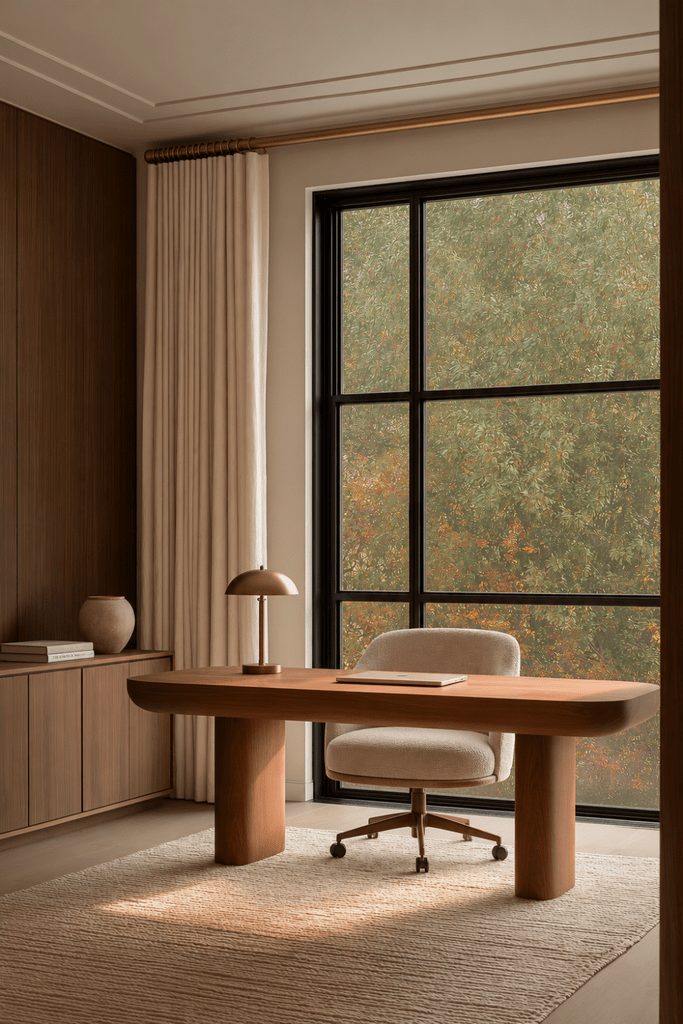
One of the hardest things to accept in decorating is that a room does not have to feel finished right away. We are surrounded by reveal culture, instant makeovers, and perfectly styled photographs that make it seem as though every wall, corner, and surface should already have an answer. But some of the most timeless interiors feel beautiful precisely because they were allowed to evolve.
Decorating over time gives you room to notice what the space actually needs. An empty corner may eventually become the perfect place for a chair you have not found yet. A bare wall might feel more meaningful once the right artwork comes along. Even a coffee table can stay lightly styled until something worth displaying naturally finds its way into your life.
Give yourself permission to stop before the room feels complete:
- Leave one surface more lightly styled instead of filling every inch.
- Do not buy something simply because a corner looks empty.
- Keep a running list of what the room genuinely needs.
- Allow larger purchases to happen gradually.
- Live with each major change before deciding what should come next.
Restraint creates space for better choices. A layered home often becomes more personal when there is still room for discovery, memory, and change.
Styling Note: The next time an empty spot makes you feel like something is missing, leave it alone for a while. The right piece is worth waiting for.
Let Your Home Tell the Story Slowly
A personal home is not defined by how much it contains or how perfectly everything coordinates. A collected home becomes more interesting through the relationships between different objects, periods, materials, and memories.
You do not need to replace everything you own to create that feeling. Start with one small shift. Bring something meaningful into view, separate one piece from a matching set, or leave an empty corner alone until the right thing comes along.
The beauty is that your home can keep changing with you. Your tastes will evolve, new pieces will find their way in, and some things may eventually make room for something else.
The rooms we remember are rarely the most perfect. They are the ones that give us a sense of who lives there.
Your home does not have to be finished to feel beautiful. It simply needs the freedom to become more yours over time.
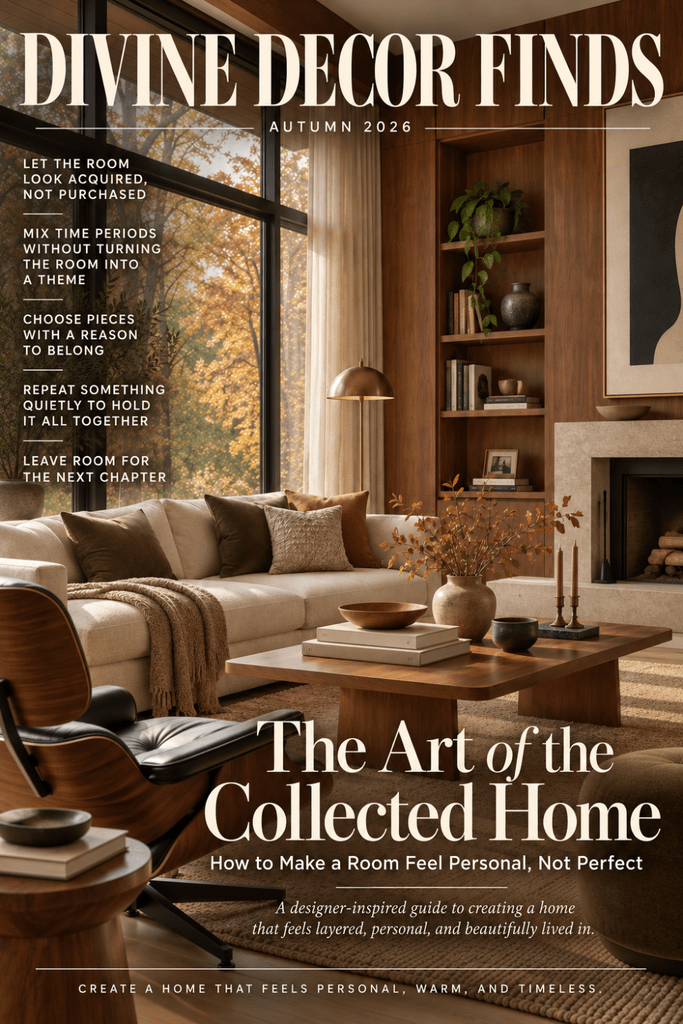
Save this post to Pinterest for the next time you feel pressure to finish a room, when what it may really need is more time to become yours. 🤍
Explore more Designer Inspired ideas on Divine Decor Finds for thoughtful ways to create a home that feels personal, refined, and beautifully considered. 🌿
Leave a Reply