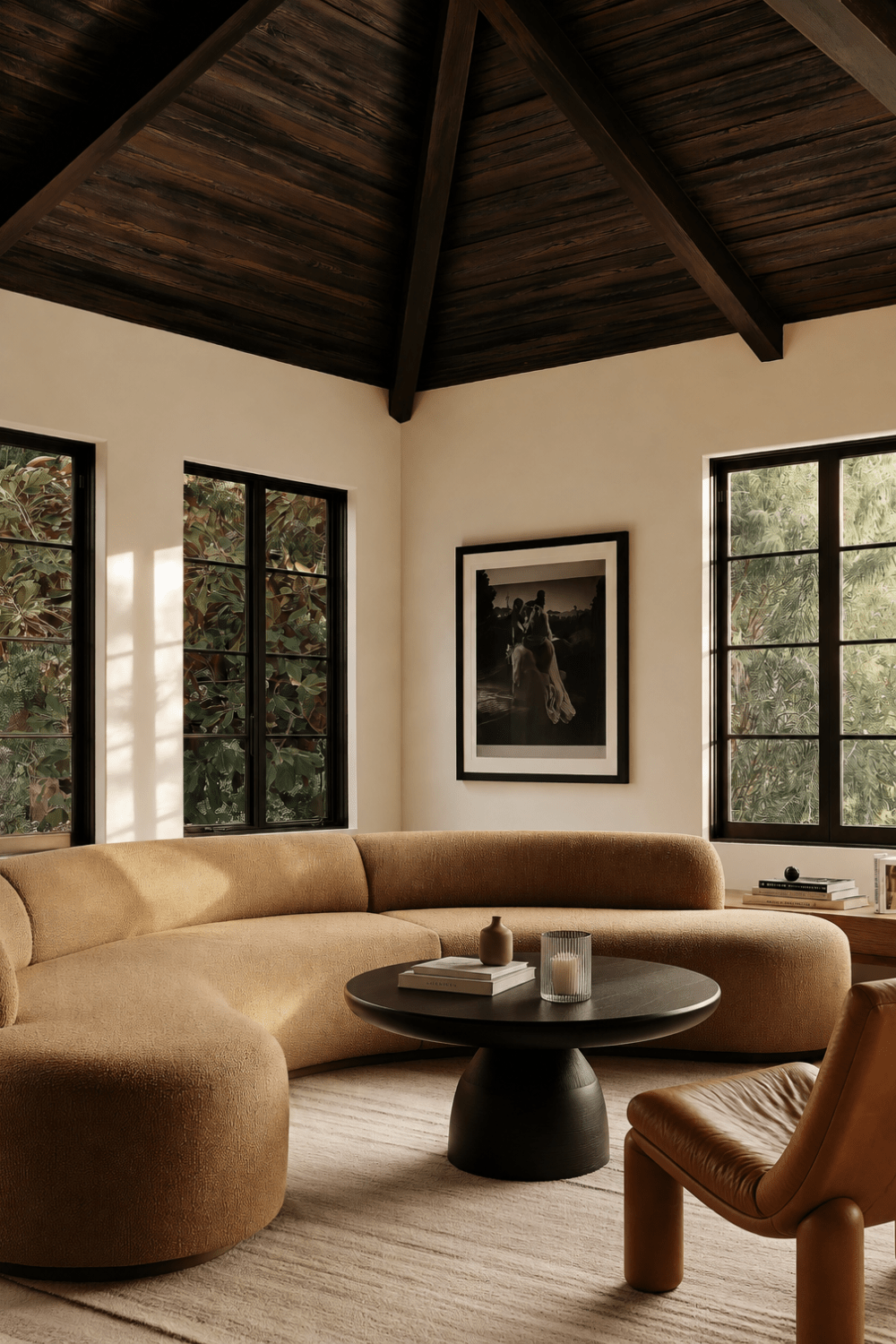
When Your Home Will Not Let Your Mind Rest
Have you ever settled onto the sofa at the end of a long day, ready to finally exhale, only to realize that your mind is still moving from one thing to the next? Your eyes land on the stack of mail waiting to be opened, the objects gathered on the coffee table, the crowded shelf across the room, and the small details you keep meaning to address. You may be sitting still, but visual clutter can make it feel as though your home is quietly asking you to keep going.
What makes this feeling so confusing is that your home may not look messy at all. It may be clean, beautifully decorated, and thoughtfully organized. Yet something about the room still prevents you from fully settling into it. Instead of feeling restored, you feel distracted, restless, or mentally tired without being able to explain exactly why.
This does not mean that you are lazy, disorganized, or failing to maintain your home. It may simply mean that your surroundings are asking for more of your attention than you have available to give. Every object your eyes notice adds something for your mind to register, even when you are not consciously thinking about it.
Understanding visual clutter is not about stripping away everything you love or turning your home into a cold, empty space. It is about recognizing why certain rooms feel more demanding than others and learning how a few thoughtful design changes can bring back a sense of ease. When your home gives your eyes somewhere to rest, your mind may finally feel permission to rest with them.
Visual Clutter Is More Than Ordinary Mess
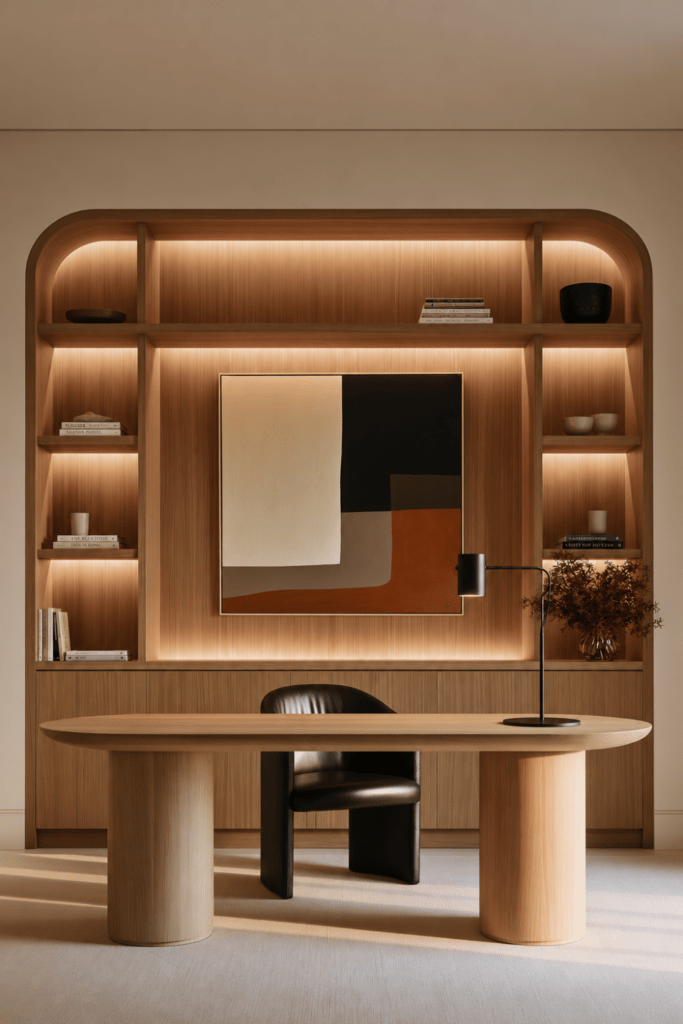
A room can be clean, organized, and beautifully decorated yet still feel strangely difficult to relax in. Your eyes move from the open shelving to the artwork, across the coffee table, and toward every small object filling the surrounding surfaces. Nothing is necessarily out of place, but the room feels as though it is asking you to notice everything at once. This is what makes visual clutter different from ordinary mess.
Ordinary mess is usually easy to recognize, such as laundry waiting to be folded or paperwork left in a pile. A visually demanding room can be perfectly tidy. The feeling often comes from visual information density, which is the amount of detail contained within a single sightline. Too many objects, colors, patterns, materials, and focal points can create visual noise, especially when each element carries the same visual weight. Without a clear visual hierarchy, the eye has no obvious place to land and rest.
To recognize and gently reduce visual busyness in a room:
- Study one sightline at a time. Stand in the doorway or sit where you spend the most time, then notice how many objects and design elements are visible from that position.
- Identify competing focal points. Artwork, open shelving, patterned textiles, statement lighting, and decorative surfaces may all be beautiful, but they can overwhelm the room when they compete for equal attention.
- Give small objects a visual boundary. Gather remote controls, candles, books, and everyday essentials on a tray or inside a decorative box so they read as one intentional grouping.
- Edit open shelving thoughtfully. Leave space between objects and vary the scale of the pieces rather than filling every shelf from edge to edge.
- Quiet product packaging and household necessities. Store extra toiletries, kitchen products, paperwork, and visible cords behind closed doors or inside attractive containers when practical.
- Repeat colors and materials. A connected palette of wood, pottery, linen, and soft neutral tones can help separate elements feel like part of one cohesive story.
The goal is not to empty your home or remove everything you love. It is to create enough breathing room for meaningful pieces to be noticed without making the entire room feel demanding. When the eye can easily understand a space, the room begins to feel calmer, even if it remains warm, layered, and deeply personal.
Styling Note: Before removing anything permanently, take a photo of the room from your favorite seat. A photograph often makes competing details easier to notice than they are while you are standing inside the space.
Everything You See Can Feel Like Something You Must Do
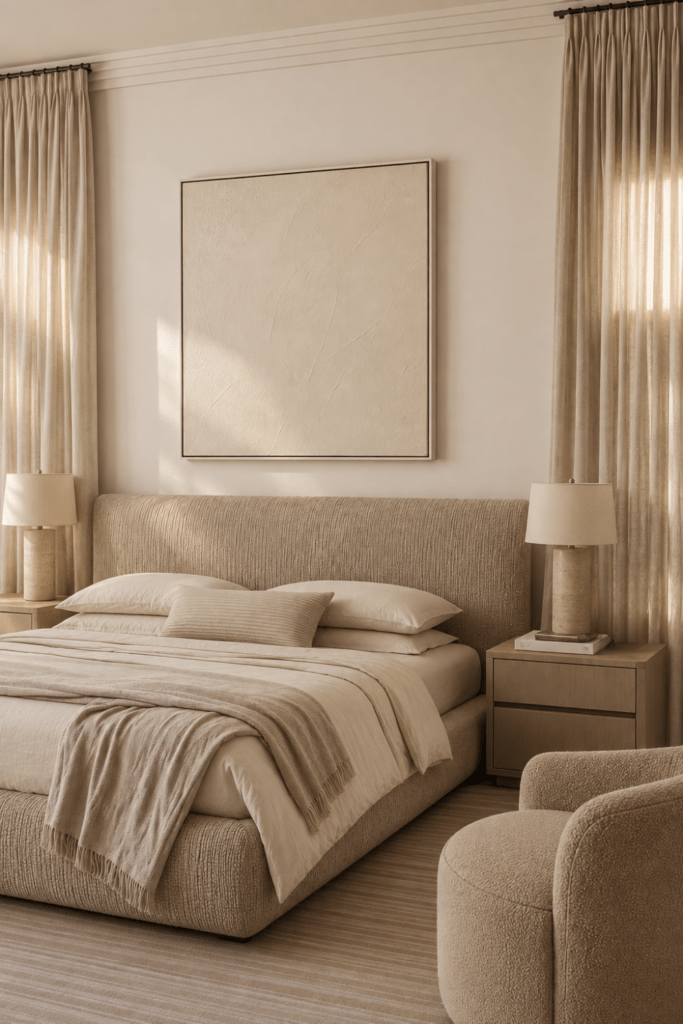
Sometimes the objects around you do more than simply fill a room. They quietly remind you of what still needs your attention. The unopened mail on the console, the laundry waiting to be folded, or the purchase you have not decided where to place can each feel like a small unfinished conversation. Even when you are trying to rest, your surroundings may continue sending subtle signals that there is more to do.
The brain naturally notices and sorts what is visible, especially when an object represents an unfinished task or decision. These small reminders can become micro-obligations, tiny requests for attention that gradually contribute to cognitive overload and mental fatigue. The more your attention is divided between what you are doing and what the room keeps reminding you about, the harder it may feel to concentrate, settle down, or fully enjoy the moment.
To soften the silent demands within your home:
- Remove reminders from your resting spaces. Keep mail, paperwork, laundry, and work materials away from the places where you want to unwind.
- Give unfinished tasks a designated home. Use one drawer, basket, or cabinet for items that still need action so they are contained rather than scattered.
- Make decisions about recent purchases. Return, store, or place new items before they become lingering visual reminders.
- Close the loop on one small task. Finishing something simple, such as clearing a chair or putting away a delivery, can create an immediate sense of relief.
- Adjust your expectations during demanding seasons. When stress, caregiving, grief, or long workdays are consuming your energy, focus on the areas that affect you most instead of trying to perfect the entire home.
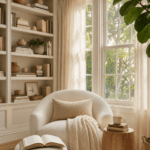
- Protect one low-demand zone. Keep a favorite chair, bedside table, or corner free from unfinished tasks so you always have somewhere that feels emotionally quiet.
Your tolerance for a busy environment may change from one season of life to another. A room that once felt manageable can suddenly feel overwhelming when your available energy is already stretched thin. This does not mean you care less about your home. It may simply mean your home is reflecting how much you are carrying.
Styling Note: Notice what your eyes land on when you sit down to rest. If that object immediately reminds you of something you need to do, move it out of your resting sightline before changing anything else.
Hidden Sources of Visual Noise in a Beautiful Home
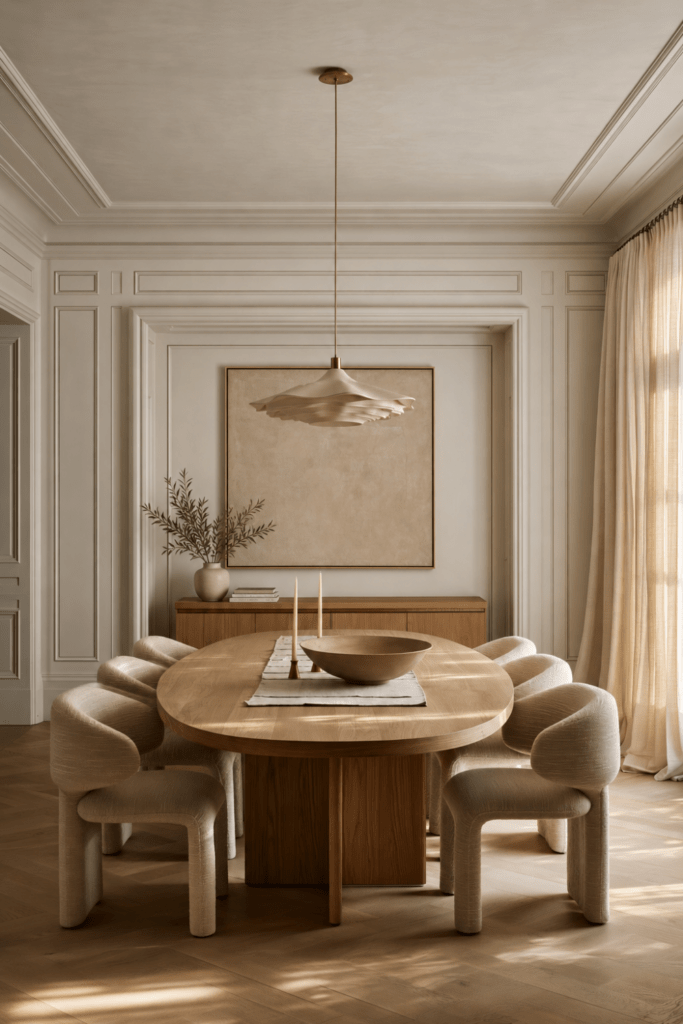
A room can be filled with beautiful things and still feel unexpectedly tiring. The issue is not always obvious clutter. Sometimes it is the collection of small design decisions competing within the same view. A styled console, a full bookshelf, layered patterns, statement artwork, and several decorative accents may each look lovely on their own. When they all ask for attention at once, however, the room can begin to feel restless instead of restorative.
Intentional layering creates warmth through repetition, rhythm, and balance. Visual competition happens when too many unrelated colors, finishes, objects, or focal points carry equal importance. Without a clear visual hierarchy, the eye keeps moving in search of somewhere to settle. Over time, that visual noise may contribute to sensory overload, even when the room is clean and thoughtfully decorated.
To uncover the less obvious sources of visual busyness in your home:
- Notice whether every surface is fully styled. Leaving part of a table, shelf, or console open gives surrounding objects more presence and allows the eye to pause.
- Edit collections of small accessories. Several tiny objects scattered throughout a room often feel busier than one larger, more substantial piece.
- Create one primary focal point. Let the fireplace, artwork, window view, or main furniture grouping lead the room rather than allowing several features to compete.
- Simplify visible necessities. Conceal cords, packaging, toiletries, paperwork, and household supplies inside drawers, cabinets, decorative boxes, or closed storage.
- Look for too many competing finishes. Repeating a few wood tones, metals, colors, and materials creates connection, while unrelated finishes can make the room feel fragmented.
- Protect pathways and sightlines. Furniture should support natural movement through the space rather than interrupting the view or making the room feel physically crowded.
Meaningful objects and collected pieces are not the problem. They simply need enough space and visual connection to be appreciated. A calming home environment can still feel layered, expressive, and deeply personal when every element supports the same overall story.
Styling Note: Choose one material already present in the room, such as warm oak, linen, brass, or pottery, and repeat it two or three times. That quiet repetition can make an eclectic space feel more cohesive without requiring you to remove the pieces you love.
Create One Restorative Sightline
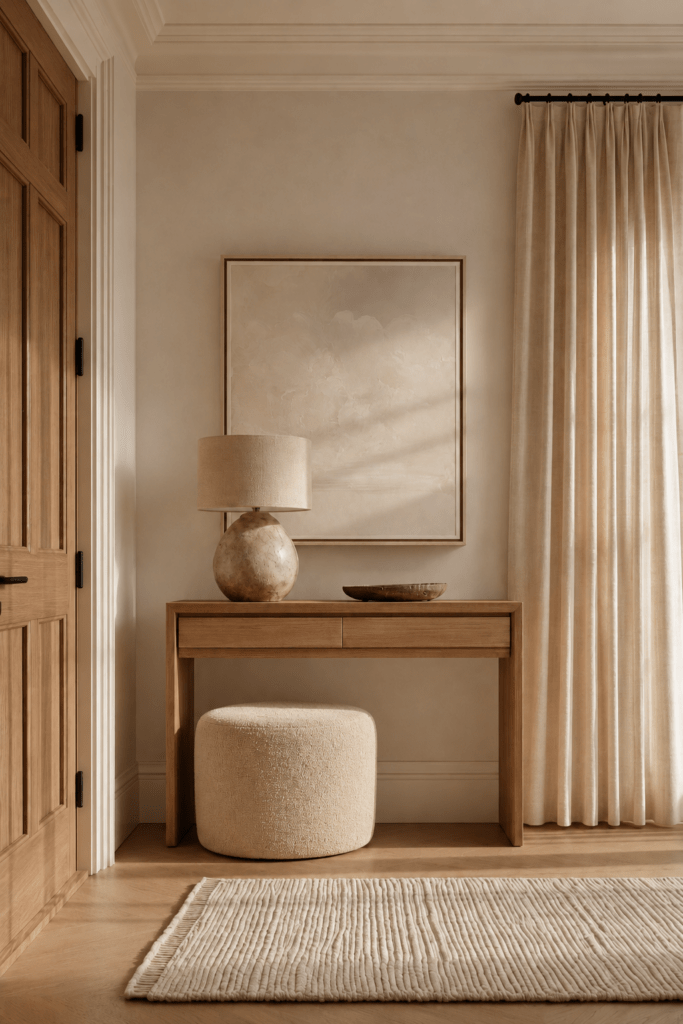
You do not have to declutter an entire room to make your home feel calmer. Sometimes the most meaningful change begins with one view, the first thing you see when you enter a room, the scene in front of your favorite chair, the wall beyond your desk, or the space you wake up to each morning. When that single view feels settled and intentional, the rest of the room can begin to feel more supportive too.
A restorative sightline gives the eye one clear place to land. Instead of scanning several unfinished tasks, competing objects, or unrelated details, your attention is gently guided toward a cohesive focal point. This can help reduce visual clutter without requiring a complete redesign, because you are improving the part of the room your mind encounters most often.
To create one restorative sightline in your home:
- Choose the view that matters most. Stand in the doorway or sit where you spend the most time, then notice what fills your field of vision.
- Identify the loudest area. Pay attention to where your eyes feel stuck, scattered, or repeatedly pulled toward unfinished tasks.
- Remove silent requests. Relocate paperwork, deliveries, chores, packaging, and objects waiting for decisions.
- Create one visual anchor. Use a meaningful piece of art, a beautiful furniture silhouette, sculptural lighting, pottery, or greenery to guide the eye.
- Contain smaller items. Gather everyday objects on a tray or place them inside a drawer, cabinet, or opaque basket so they read as one organized unit.
- Leave a visual pause. Allow part of the wall, tabletop, or surrounding space to remain open, then repeat a few colors and natural materials to create cohesion.
One peaceful view can change how an entire room feels. It offers a manageable starting point for decluttering for mental clarity and allows you to experience progress without turning your home into a weekend-long project.
Styling Note: Begin with the sightline you see during your most restorative moment of the day. If you love having coffee in one chair each morning, improve the view from that exact seat first.
Calm Comes From Clarity, Not Emptiness
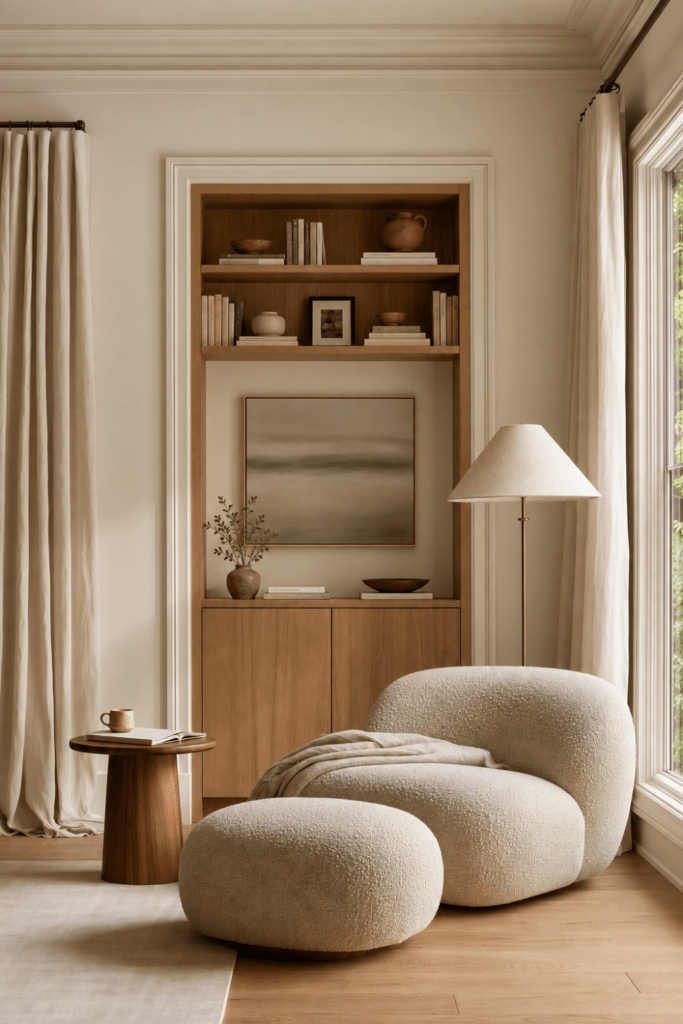
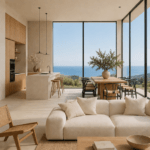
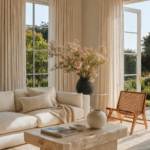
A peaceful room does not have to feel bare. It can still hold your favorite books, collected pottery, soft textiles, framed memories, and the objects that make your home feel like yours. The difference is not how little the room contains, but how clearly those pieces relate to one another. When everything has room to be noticed, the space feels warm and expressive without becoming mentally demanding.
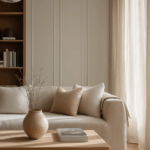
This is the heart of intentional home design. Repeating a few materials, colors, and shapes creates rhythm, while negative space gives the eye time to pause. Natural wood, linen, woven textures, pottery, and softly curved forms can add depth without creating visual noise, especially when they appear in a connected and thoughtful way.
To create a calm room without removing its personality:
- Display fewer meaningful pieces at one time. Choose the objects you most enjoy seeing and give each one enough space to feel intentional.
- Rotate collections and seasonal décor. Store some pieces and bring them back later so the room can evolve without every item being visible at once.
- Choose a few substantial accents. One larger vase, lamp, or artwork often creates more presence than several small accessories scattered across a surface.
- Repeat materials throughout the room. Use the same wood tone, linen texture, pottery finish, or metal accent in a few places to create visual connection.
- Balance open and closed storage. Display the items that add beauty or meaning, then conceal the practical objects that would otherwise compete for attention.
- Leave some space unfilled. An open section of shelving, wall, or tabletop allows treasured pieces to stand out and keeps the room from feeling overly styled.
Restorative home design is not about erasing signs of life. It is about shaping a calming home environment where the things you love can be seen clearly and enjoyed fully. A room can feel collected, layered, and deeply personal while still offering your eyes and mind somewhere to rest.
Styling Note: When a surface feels busy, remove everything and return only the pieces that create the strongest emotional or visual connection. Stop before the surface feels finished. That final bit of breathing room is often what makes the styling feel elevated.
Create One Place That Asks Nothing From You
The feeling of being mentally overwhelmed at home is rarely caused by one dramatic problem. More often, it builds through dozens of small signals competing for your attention. A pile of mail, an unfinished decision, a crowded surface, or an object without a clear home can each carry information your mind continues to register, even when you are trying to rest.
You do not have to organize your entire home in one weekend to feel a difference. Begin with one surface, one corner, or one sightline that you encounter every day. Remove anything that makes that view feel demanding, then allow what remains to feel calm, clear, and intentional.
When the goal becomes emotional clarity instead of perfection, visual clutter feels much easier to manage. You are no longer trying to create a flawless home. You are simply choosing where your eyes can rest and where your mind can soften.
A peaceful home does not need to be empty. It only needs a few places that ask nothing from you, places that quietly give some of your energy back.
Save this post to Pinterest for the next time your home begins to feel mentally overwhelming. 🤍
Explore more Design Therapy articles and Organic Modern inspiration on Divine Decor Finds. 🌿