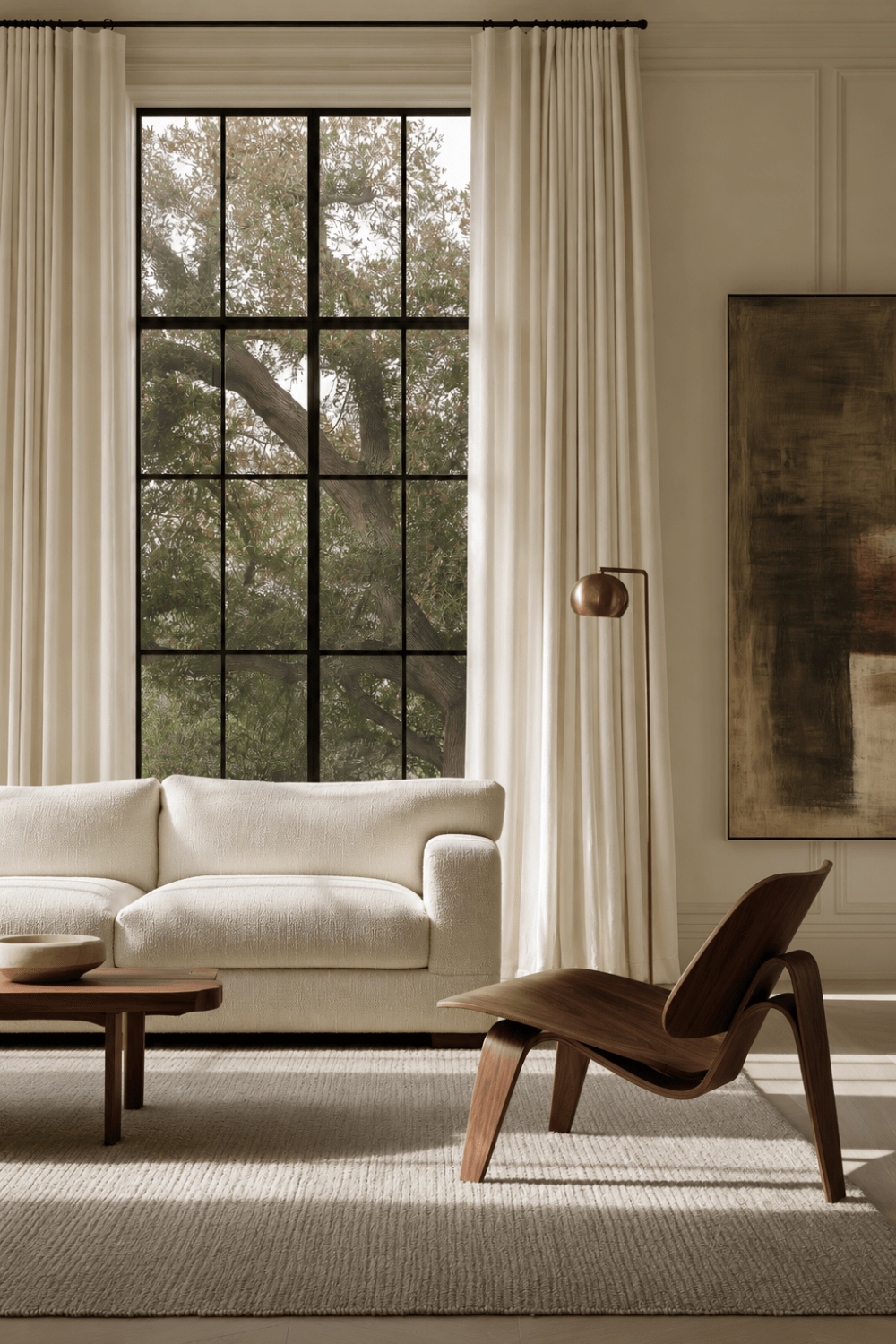
Why Expensive-Looking Homes Often Feel Simpler
Have you ever walked into a room that felt instantly elevated, even though nothing about it seemed especially flashy? The furniture was beautiful but not showy, the surfaces were styled but not crowded, and every detail seemed to have a reason for being there. If you want to make your home look expensive, that quiet sense of confidence is often more important than filling a space with impressive things; it comes from making each choice feel intentional.
The most refined rooms rarely rely on designer labels alone. They feel polished because the proportions make sense, the materials relate to one another, and the eye is given a clear place to land. There is enough restraint for the best pieces to stand out, enough repetition to make the room feel cohesive, and enough attention to detail that nothing feels accidental.
That is what makes this kind of design so attainable. You do not need to replace everything you own or spend endlessly to create a home that feels more grown-up and considered.
Instead, the biggest difference often comes from a handful of quieter decisions: choosing the right scale, knowing when to stop adding, repeating materials with intention, creating a clear visual hierarchy, and paying attention to the finishes and small details that complete the room.
Once you begin noticing those choices, you start to see luxury a little differently. It becomes less about what a room costs and more about how confidently it has been put together.
Get the Scale Right Before You Add More
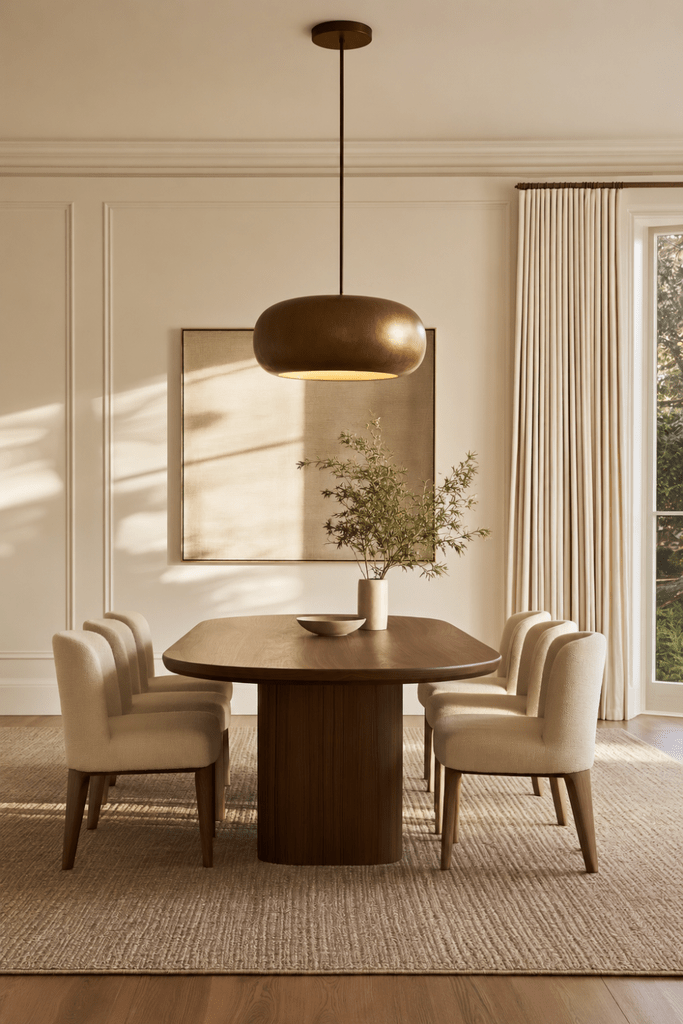
A room can be beautifully decorated and still feel slightly unsettled. Often, the problem is not the furniture itself, but the way its scale relates to the room. When pieces feel too small, scattered, or disconnected, the space can lose that calm, confident quality that makes it feel finished.
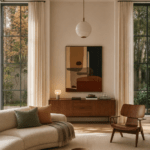
This is why scale and proportion in interior design matter so much. A properly sized rug, substantial artwork, or well-proportioned sofa helps the eye read the room as one complete composition instead of a collection of separate pieces.
To create better proportion throughout the room:
- Choose furniture that feels substantial enough for the size of the space.
- Use a rug large enough to anchor the main seating arrangement.
- Select artwork that relates to both the wall and the furniture beneath it.
- Give lighting fixtures enough visual presence to balance nearby furniture.
- Replace several tiny accessories with fewer, more substantial objects.
- Leave enough breathing room so larger pieces do not feel crowded.
You do not need oversized furniture to make your home look expensive. You simply need pieces that feel appropriately scaled to one another and to the architecture around them. When those relationships feel right, even affordable furnishings can look far more intentional.
Styling Note: Before adding another accessory, step back and ask whether the room needs more decor or whether one existing element simply needs greater presence.
Repeat Materials Instead of Introducing Something New Everywhere
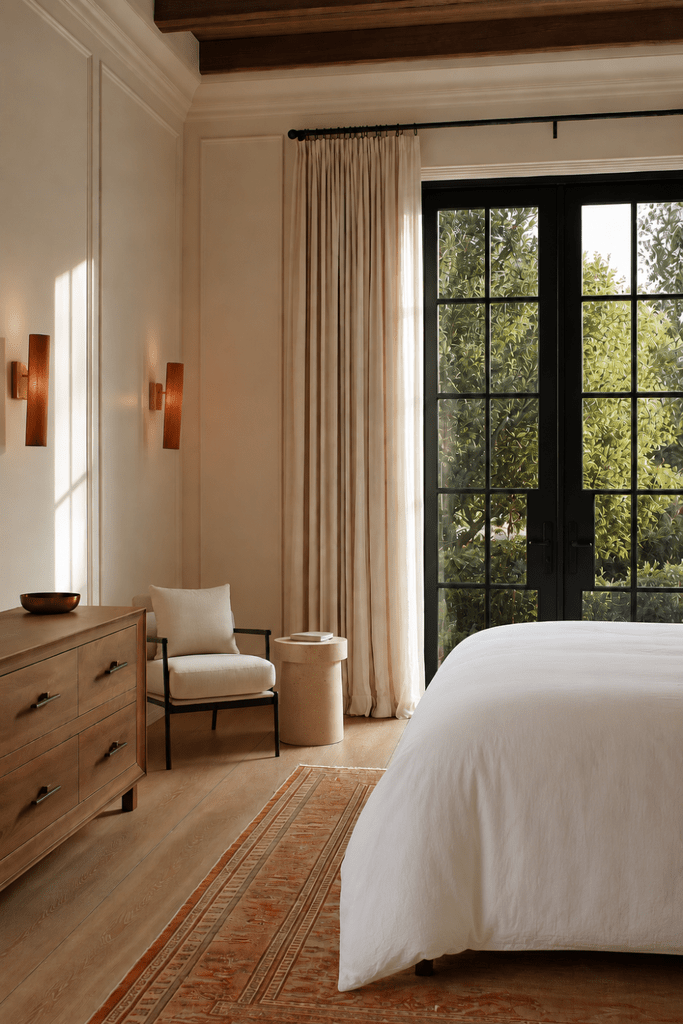
A room often feels more elevated when the same few materials quietly reappear throughout the space. Walnut on a console may echo in a picture frame, aged brass can repeat through lighting and hardware, and linen might show up again in curtains or upholstery. That repetition gives the room a sense of continuity rather than making each piece feel like a separate decision.
This is where material consistency creates a more polished result. The finishes do not need to match perfectly. In fact, slight variation usually feels more natural. What matters is that the materials relate enough to create a cohesive color palette and a clear visual language.
To make repeated materials feel intentional rather than overly matched:
- Repeat one wood tone in two or three places throughout the room.
- Echo a metal finish through lighting, hardware, or small accents.
- Carry one stone or ceramic finish into another area subtly.
- Use linen or another natural textile across different furnishings.
- Limit the number of competing finishes within the same sightline.
- Avoid buying matching sets simply for the sake of consistency.
When the same materials appear with restraint, the room begins to feel collected rather than pieced together. That sense of repetition creates understated elegance without making the space look overly coordinated.
Styling Note: Choose two or three materials already working beautifully in the room and repeat those before introducing a completely new finish.
Let One Thing Lead the Room
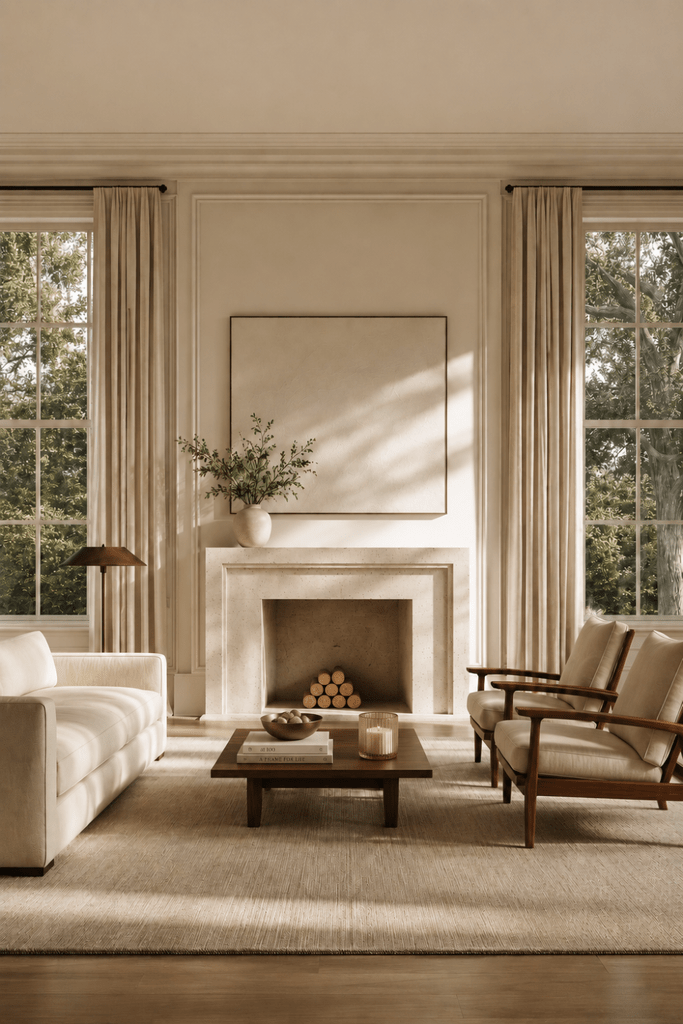
The rooms that feel most polished usually give your eye somewhere to land. A beautiful fireplace, oversized artwork, a sculptural light fixture, or even a well-framed window can quietly anchor the space. When too many elements compete for attention, the room can feel busy even when every piece is beautiful.
This is the role of visual hierarchy in interior design. One feature carries the most visual weight, while the furniture, lighting, and finishes around it become quieter supporting players.
To create a stronger focal point:
- Choose one dominant feature and let it guide the room.
- Keep nearby furniture simpler when the focal point is already bold.
- Limit the number of statement pieces within the same sightline.
- Avoid mixing several strong patterns or competing finishes at once.
- Use lighting to draw attention toward the feature you want to emphasize.
- Orient furniture so the room naturally directs the eye toward that focal point.
This balance is one reason quiet luxury interiors often feel so effortless. Nothing is fighting to be noticed, so the room feels calmer, more confident, and easier to take in.
Styling Note: Stand at the entrance of the room and notice what catches your eye first. If five things are demanding equal attention, decide which one deserves to lead.
Use Restraint to Make the Best Pieces Feel More Important
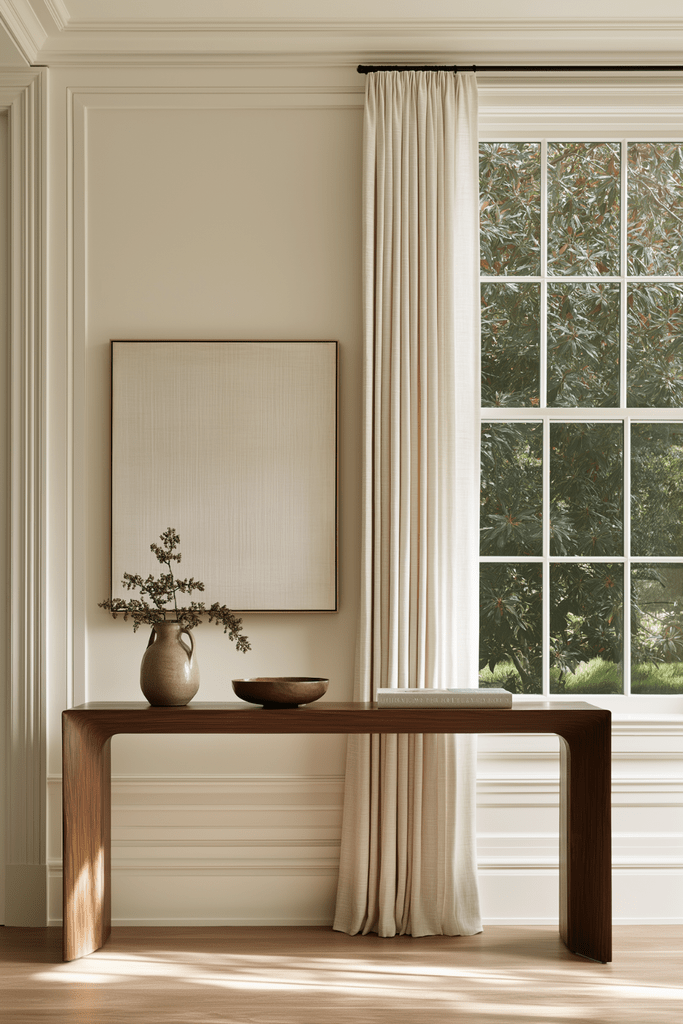
A room feels more luxurious when your eye has space to actually notice what is beautiful. When every surface, wall, and corner is filled, even lovely pieces can lose their impact. A little emptiness gives furniture, artwork, and materials room to feel more intentional.
This is where negative space in interior design becomes powerful. It creates contrast between what is styled and what is left quiet, helping the room feel composed instead of crowded.
To create a more edited, elevated look:
- Leave part of a console, coffee table, or dresser intentionally clear.
- Use fewer accessories, but choose pieces with enough scale to stand on their own.
- Resist decorating every corner simply because it is empty.
- Keep walls open when artwork already has strong visual presence.
- Limit excessive accent pillows, vases, and tabletop layers.
- Let one styled area sit beside a quieter one to create balance.
Restrained decorating does not mean cold or sterile. A warm, personal room can still feel layered without being visually full. In fact, this is one of the easiest ways to make your home look expensive because the pieces you already own begin to feel more considered.
Styling Note: Remove two or three small objects from one surface and live with the emptier arrangement for a day. You may find the room needed less than you thought.
Pay Attention to the Details That Make a Room Feel Finished
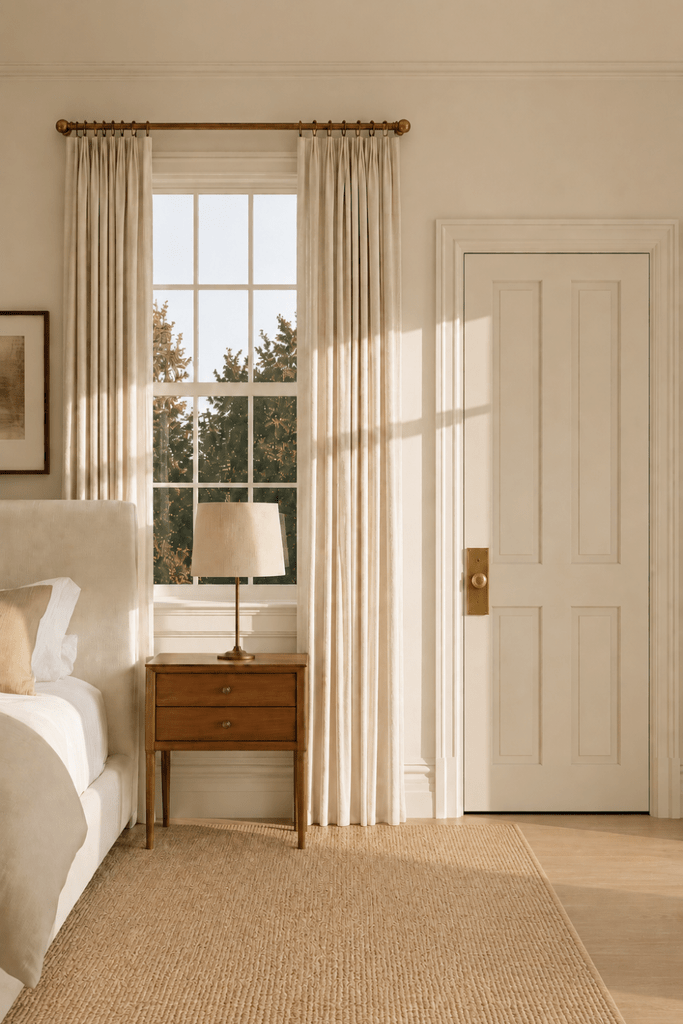
Some rooms feel polished before you can point to a single reason why. Often, it comes down to the smallest decisions: curtains that fall properly, hardware that feels consistent, lighting that is correctly scaled, and artwork that looks intentionally placed. These details may not demand attention, but together they create a sense that the room has been thoughtfully completed.
Architectural details can have the same effect. Moldings, substantial baseboards, paneled doors, built-ins, and quality-looking hardware add structure and refinement when they suit the style of the home. The goal is not to add ornament everywhere, but to make the existing details feel deliberate.
To give a room a more finished look:
- Let curtains reach the floor and pair them with substantial rods.
- Keep hardware finishes consistent enough to feel connected.
- Choose lampshades and lighting fixtures that are properly scaled.
- Conceal visible cords whenever possible.
- Hang artwork at a height that relates to the furniture beneath it.
- Pay attention to trim, doors, hardware, and other small maintenance details.
This kind of thoughtful styling is often what separates a room that looks decorated from one that feels complete. The effect is subtle, but it creates the understated elegance associated with designer-inspired interiors.
Styling Note: Take a quick photo of the room with your phone. Small inconsistencies that disappear when you see them every day often become much easier to notice in a photograph.
Expensive Is Often a Feeling of Intention
A home does not need to be filled with costly furniture or designer labels to feel elevated. More often, that sense of luxury comes from how resolved the room feels: the furniture is properly scaled, materials repeat with intention, one feature leads the eye, and there is enough breathing room for the best pieces to stand out.
Those principles also make the process feel much more manageable. You do not need to replace everything at once to make your home look expensive. Start with one room and ask which single change would have the greatest impact. Maybe the rug needs to be larger, the finishes need more continuity, or the room simply needs a little editing.
Thoughtful design often has more to do with what you refine than what you add. Small decisions, made with care, can completely change how a room is experienced.
The most elevated homes rarely feel like they are trying to impress anyone. They feel confident, personal, and beautifully considered, as though every piece has been given a reason to belong.
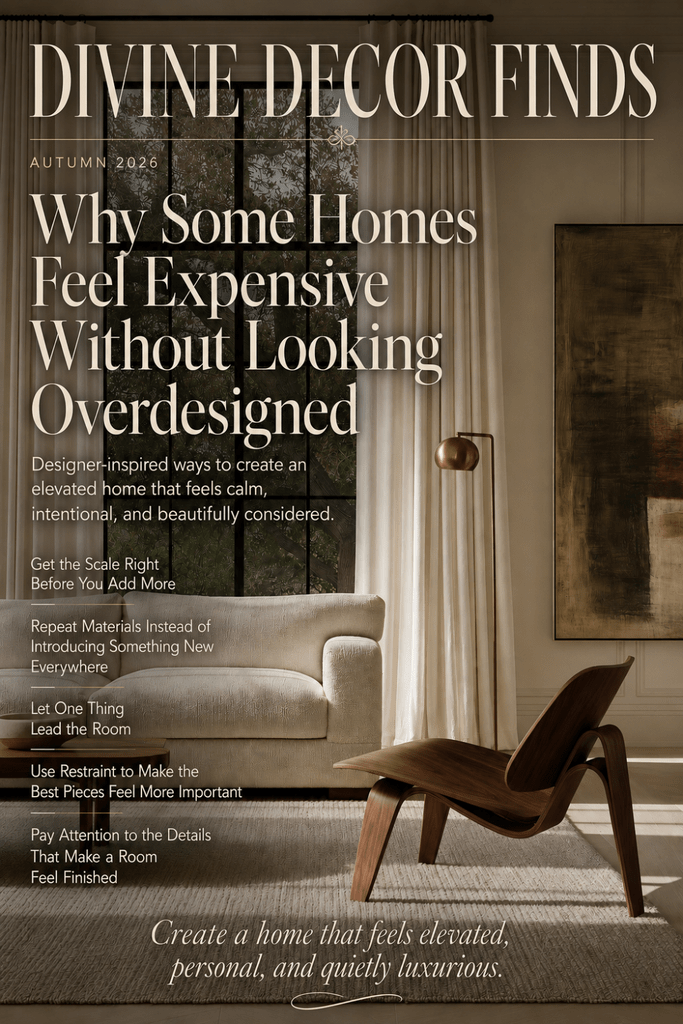
Save this post to Pinterest for the next time you want your home to feel more elevated without adding more decor. 🤍
Explore more Designer Inspired interiors and timeless decorating ideas on Divine Decor Finds. 🌿
Leave a Reply