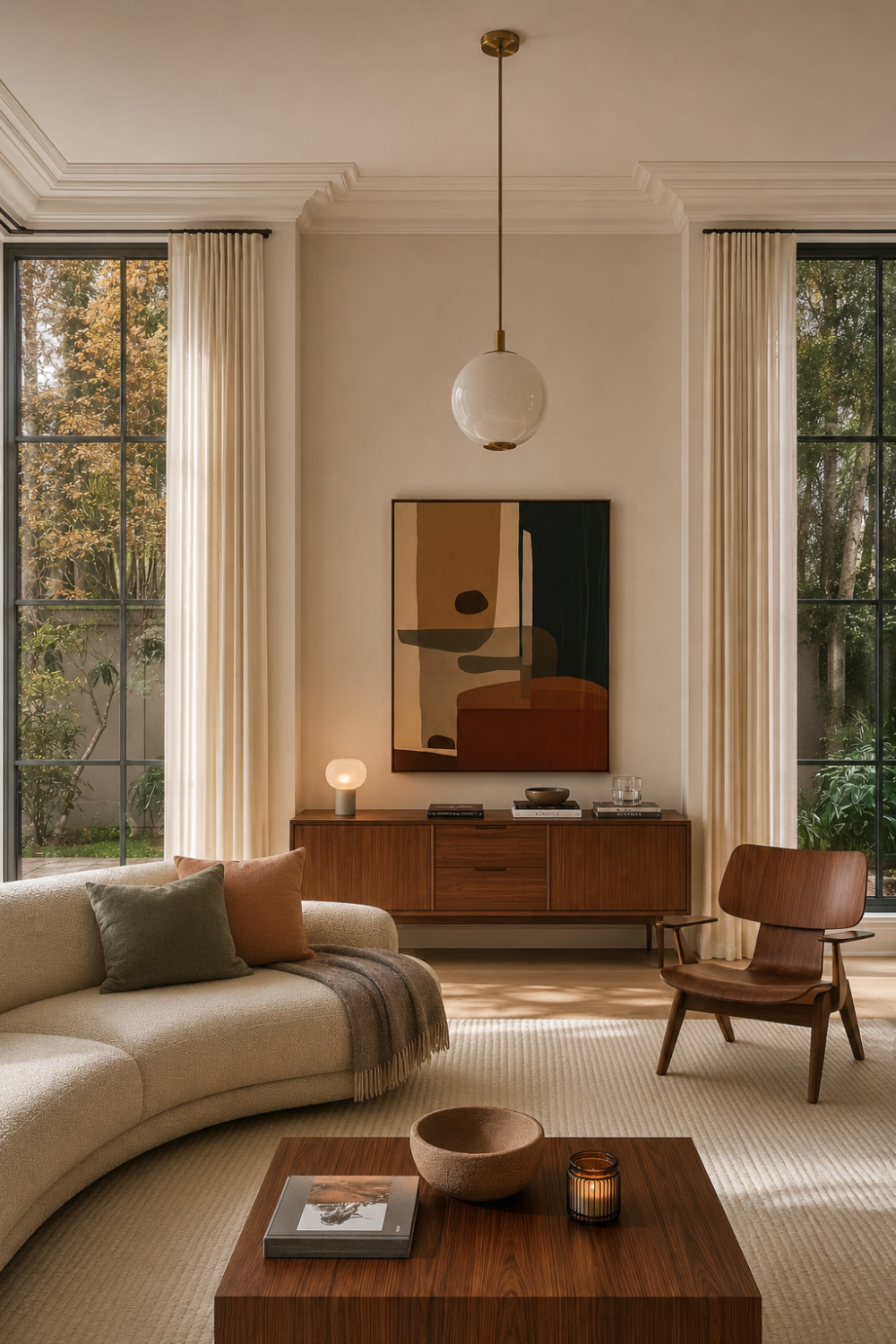
When Home No Longer Feels Quite Like You
Sometimes the strangest feeling is walking into your own home and realizing that, somehow, it no longer feels entirely like you. The furniture is still where you left it. The artwork has not moved. Your favorite things are still sitting on the same shelves. And yet, something has shifted. After a difficult season, a major life change, or simply becoming a different version of yourself, you may find yourself wondering how to make your home feel like yours again.
That feeling does not necessarily mean you need to start over. You may feel tempted to replace the furniture, repaint every room, or imagine how much easier it would be to live somewhere completely new. But meaningful change can begin much more quietly, with one familiar view rearranged, one choice made entirely for yourself, or one room experienced in a new way.
The goal is not to erase the memories held within your home or pretend an earlier chapter never existed. Those experiences are part of your story. But they do not have to be the only story your rooms continue to tell.
Your home can evolve with you. By changing a few familiar patterns, making choices that reflect who you are now, and creating new experiences within the spaces you already know, you can slowly make room for the present. Sometimes, making your home feel like yours again is less about creating a different house and more about giving yourself permission to begin a different chapter inside it.
Change the Room’s Autopilot
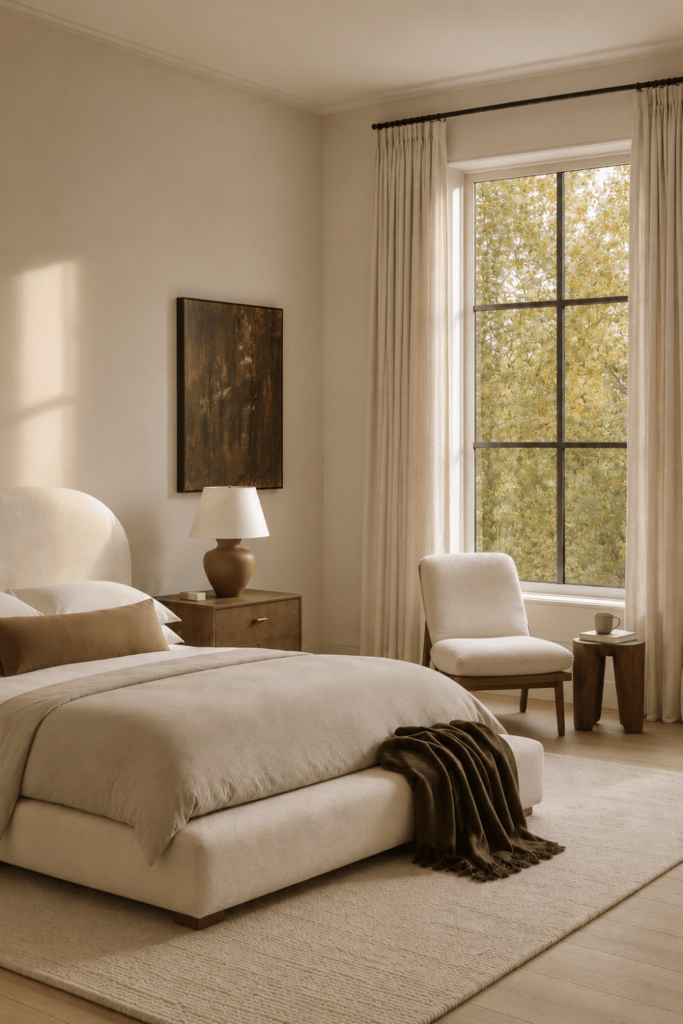
There are parts of our homes we stop truly seeing because we have looked at them the same way for so long. The chair has always faced that window. The artwork has always hung above that console. The lamp has always lived in the same corner. Over time, those familiar arrangements can fade into the background, becoming less like conscious design choices and more like part of the room’s autopilot.
That is why a small shift can sometimes feel surprisingly powerful. You do not need to redesign your space from the ground up or move every piece of furniture. Instead, choose one familiar anchor and change the way you experience it. When a long-standing visual pattern changes, your attention naturally returns to the room. You begin noticing the light, the proportions, the view, and even the objects around it differently.
To help a familiar room feel newly noticed:
- Turn a favorite chair toward a different view.
- Move artwork that has occupied the same wall for years.
- Change the first sightline you see when entering the room.
- Reposition a side table, lamp, or smaller piece of furniture.
- Replace one textile or decorative object closely tied to the room’s previous look.
- Pause before changing anything else and notice how the room feels from this new perspective.
This kind of intentional home design is not about creating change simply for the sake of change. It is about gently interrupting what has become automatic. One thoughtful adjustment can refresh your home enough to remind you that the room is still capable of becoming something slightly different.
Styling Note: Start with the view you encounter most often. Changing what you see when you first walk into a room can make the entire space feel more intentional, even when almost everything else stays exactly where it is.
Let the Space Reflect Who You Are Now
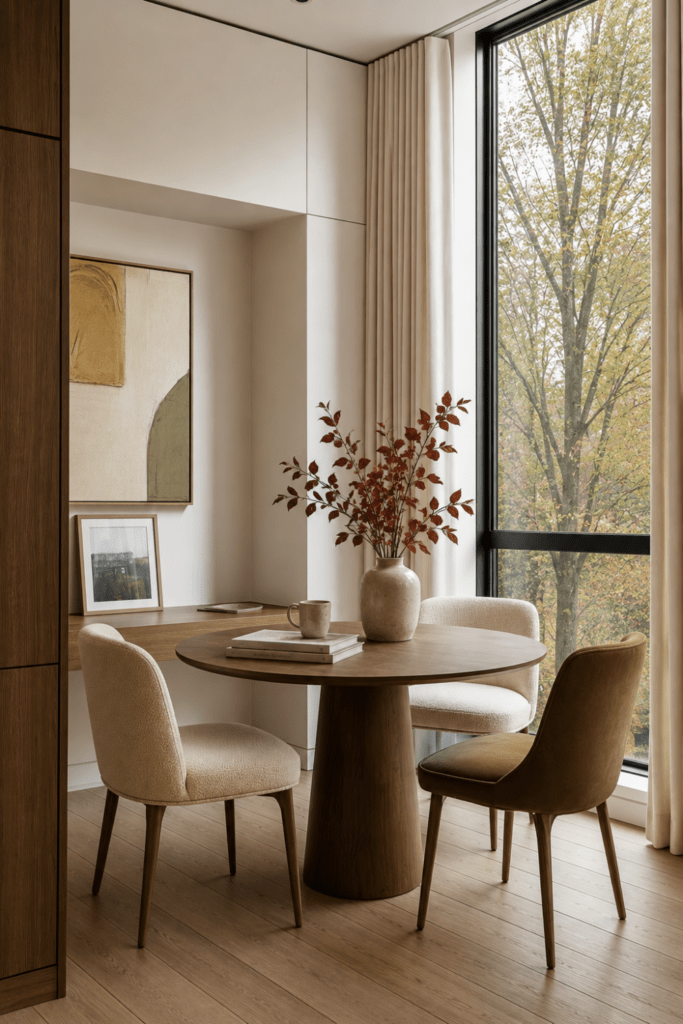
Our homes often hold quiet traces of who we used to be. A color we once loved, artwork chosen during another chapter, furniture selected for a lifestyle that no longer fits, or decorative pieces that made sense years ago can remain simply because they have always been there. Over time, a room can begin to reflect an earlier version of your life more clearly than the person you are today.
That is where personal interior design becomes more meaningful than simply creating a beautiful room. The goal is not to replace everything that came before. It is to notice which choices still feel true, and which ones may be ready to evolve.
Ask yourself:
If you were choosing this room for the person you are today, what would you choose differently?
Maybe it is the artwork. Maybe you would choose a warmer bedding color, finally bring in the chair you have always loved, display a photograph connected to a newer memory, or introduce a color you once thought was “not you.” Meaningful home decor does not need to be expensive or dramatic. Sometimes the most powerful change is simply choosing something because it feels honest now.
To let your home reflect your present life:
- Notice one element that feels connected to an older version of you.
- Keep the pieces that still feel meaningful rather than replacing them automatically.
- Introduce one object, color, textile, or artwork that feels more aligned with your current taste.
- Display something connected to a positive newer memory or experience.
- Give yourself permission to change your mind about a style you once loved.
- Choose pieces for the life you are actually living, not the room you think you are supposed to create.
Intentional home design becomes deeply personal when the goal shifts from completing a look to expressing a life. A room does not have to preserve an old aesthetic forever simply because it once felt right. It can continue changing with you.
Styling Note: Before buying something new, look around the room and ask, “What here still feels like me?” Keep those pieces as your anchors, then let your next choice reflect the person you are becoming.
Make One Choice That Is Entirely Yours
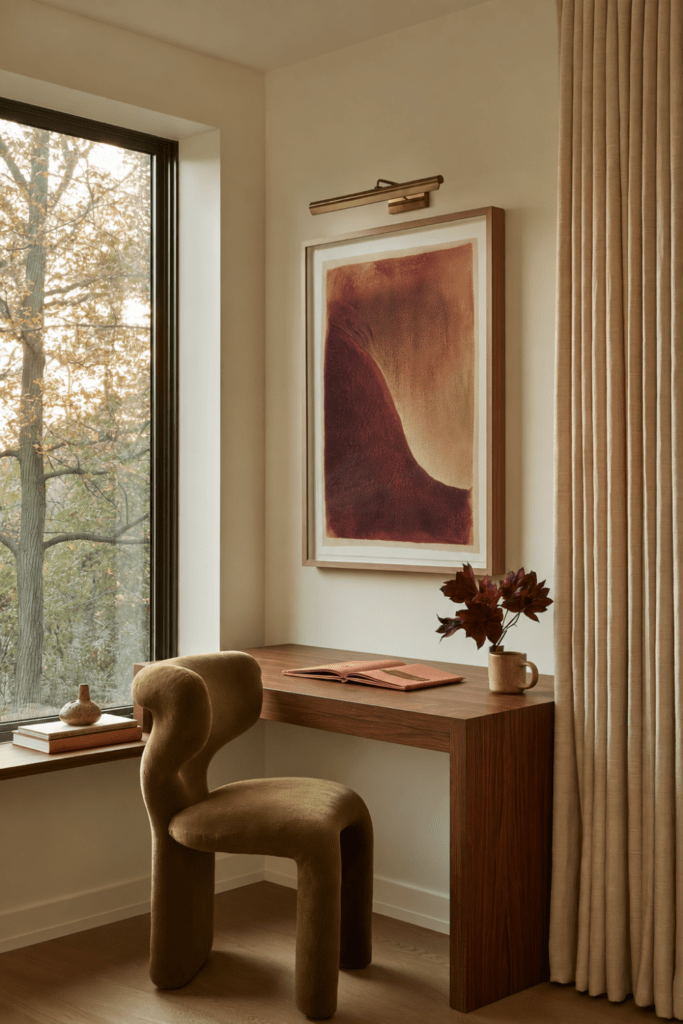
There is something powerful about making a choice in your home simply because it feels right to you. Not because it matches a trend, completes a room, pleases someone else, or fits the version of the space you once imagined. Just because you chose it.
When a home has carried you through a difficult or transitional season, reclaiming a sense of agency can begin with one intentional decision. It does not have to be dramatic. You might finally paint the room the color you have always wanted, move the furniture into an arrangement that works better for your life, replace artwork you never truly loved, or create a small corner that belongs entirely to you.
To reclaim your space through one intentional choice:
- Change something you have been postponing or compromising on.
- Choose a color, textile, or object because it genuinely brings you pleasure.
- Rearrange the room around the way you actually live now.
- Create a reading, journaling, or morning coffee corner just for yourself.
- Remove something that has stayed only out of obligation.
- Let the decision feel personal, even if no one else would notice it.
This kind of personal interior design is not about buying more. The meaning comes from the authorship behind the choice. Sometimes the shift is as simple as looking around the room and being able to say, I chose this.
That feeling can help make your home feel like yours in a way that has very little to do with how much you changed and everything to do with why you changed it.
Styling Note: Choose the one detail you have been quietly wishing were different. Start there. A room often feels more personal when one long-delayed decision finally reflects your own preference.
Create a Before-and-After Moment
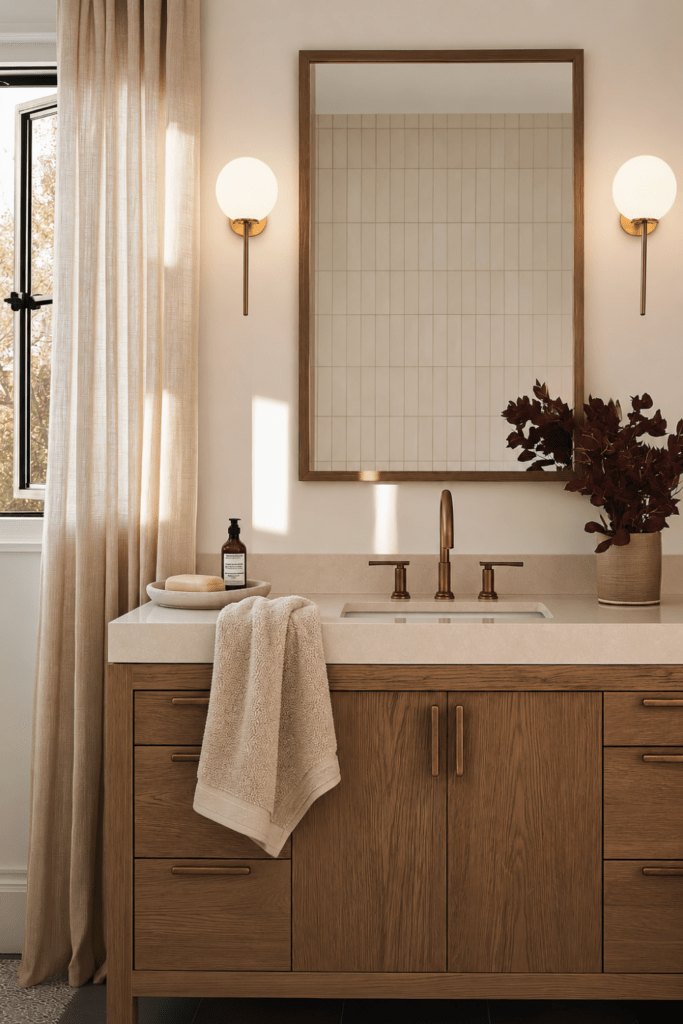
Some transitions become more meaningful when we give them a clear beginning. Not because the past needs to be erased, but because the present deserves to feel intentional too. A familiar room can hold years of routines, memories, and habits, so creating a deliberate moment of change can help the space register differently, even when most of it stays the same.
This is where intentional home rituals can be useful. The ritual itself does not need to be elaborate, spiritual, or symbolic. It can simply be a way of saying, “This room is entering a new chapter with me.”
To create a fresh start at home:
- Choose one room instead of trying to reset the entire house.
- Remove, relocate, or replace the element that feels most connected to the room’s previous version.
- Clean and reset the space so it feels physically refreshed.
- Introduce one choice that reflects who you are now.
- Change one sensory detail, such as the lighting, scent, music, or fresh air.
- Spend the first evening or morning in the room differently than you normally would.
The point is not to perform the perfect ritual. It is to create a conscious before-and-after moment. Maybe you open the windows, change the bedding, move the chair, put on music you love, and sit in the room with your morning coffee. The details matter less than the fact that you are experiencing the space in a new way.
That small act can help you reconnect with your home because it gives the transition a memory of its own. The room is still familiar, but now there is a new moment attached to it.
Styling Note: Keep the reset focused on one room and one meaningful change. A transition feels more powerful when you can clearly see and feel what is different.
Give the Room New Memories
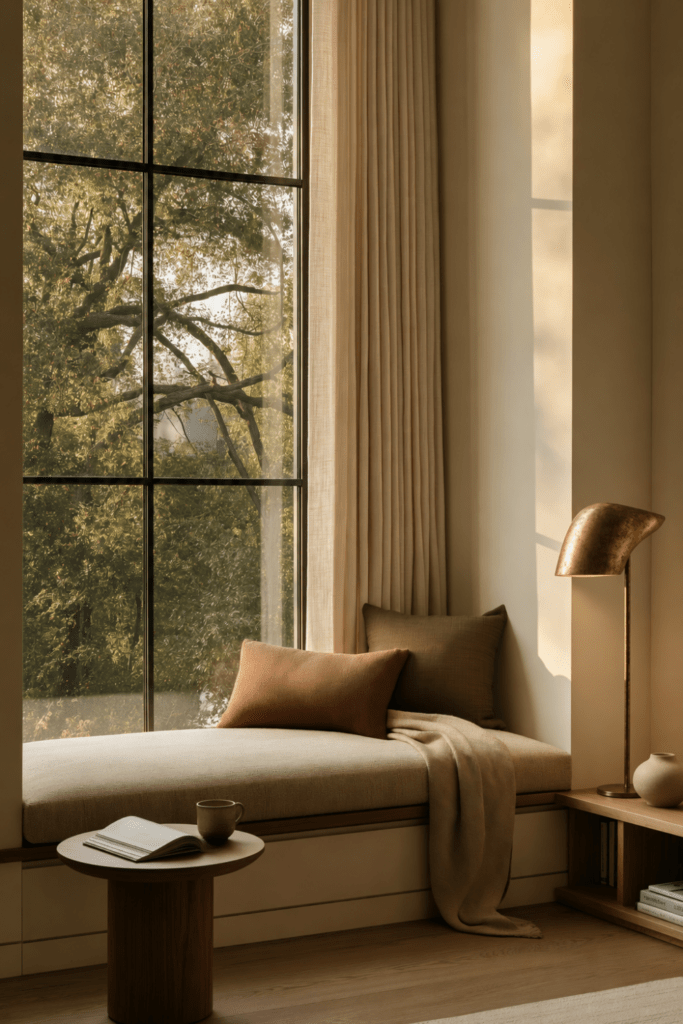
A room becomes meaningful because of what happens inside it. We remember the meals shared around a table, the mornings spent curled up in a favorite chair, the music playing while dinner was cooking, and even the ordinary evenings that once felt unremarkable. Over time, those moments become woven into the way a space feels to us.
That is why changing the design is only part of the process. Once you have shifted the room, give yourself opportunities to experience it differently. You do not need to plan anything extraordinary. Often, the smallest departures from your usual routine are enough to begin creating new associations with a familiar place.
To create new memories at home:
- Have breakfast in a part of the house where you rarely sit.
- Invite someone you trust over for an easy dinner or afternoon coffee.
- Begin a Sunday morning reading ritual in your newly arranged corner.
- Cook a recipe you have never made before and let the kitchen become part of the experience.
- Put on music one evening instead of automatically turning on the television.
- Journal, read, paint, or work on something creative in a space you recently changed.
- Celebrate something small at home rather than waiting for a major occasion.
None of these moments need to replace what came before. A home can hold more than one version of your story. New experiences simply begin adding another layer, allowing familiar rooms to become connected to who you are and how you live today.
Design can change the setting. Life gives the setting new meaning.
This may ultimately be what helps make your home feel like yours again. The artwork, furniture, and objects matter, but so do the Sunday breakfasts, conversations, quiet evenings, favorite songs, and ordinary moments that begin filling the space with something new.
Styling Note: After changing a room, resist the urge to simply admire it from the doorway. Use it. Sit in the chair you moved, drink coffee at the table you restyled, or spend an evening in the corner you created. A home becomes personal through the life that happens inside it.
Let Your Home Grow With You
Your home does not have to remain frozen in one version of your life. It can shift as your routines change, your taste evolves, and new experiences begin to shape the way you want your surroundings to feel.
You do not need to replace everything or complete a full transformation in one weekend. Start by changing one familiar pattern. Let one room reflect who you are now. Make one decision that feels completely your own. Create a small before-and-after moment, then give yourself time to live differently in the space and allow new memories to gather there.
The goal is not to erase what happened within your home or pretend an earlier chapter never existed. It is to make room for something new alongside it. A familiar space can hold history and still continue becoming a place that feels hopeful, personal, and connected to the life you are living now.
If you are trying to make your home feel like yours again, begin with the change that feels most meaningful rather than the one that looks most impressive. Sometimes one moved chair, one piece of artwork, one quiet ritual, or one newly claimed corner is enough to remind you that your home is still yours to shape.
A home is not a finished backdrop. It is part of your life, and it is allowed to grow with you.
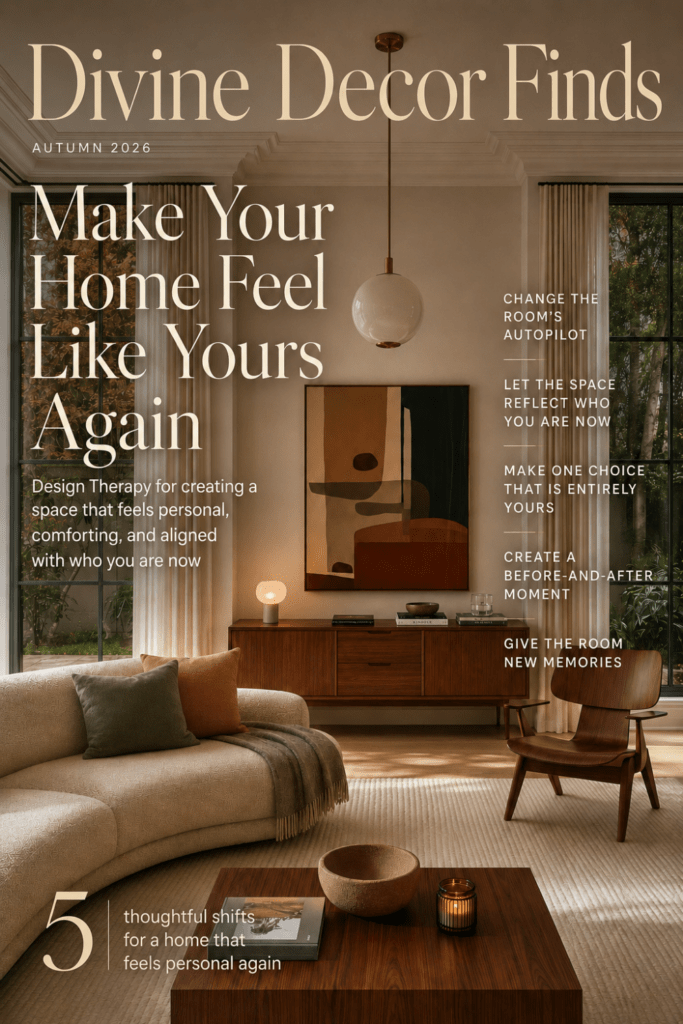
Save this post to Pinterest for the next time your home feels ready for a new chapter. 🤍
Explore more Design Therapy articles and emotionally restorative interiors on Divine Decor Finds. 🌿
Leave a Reply