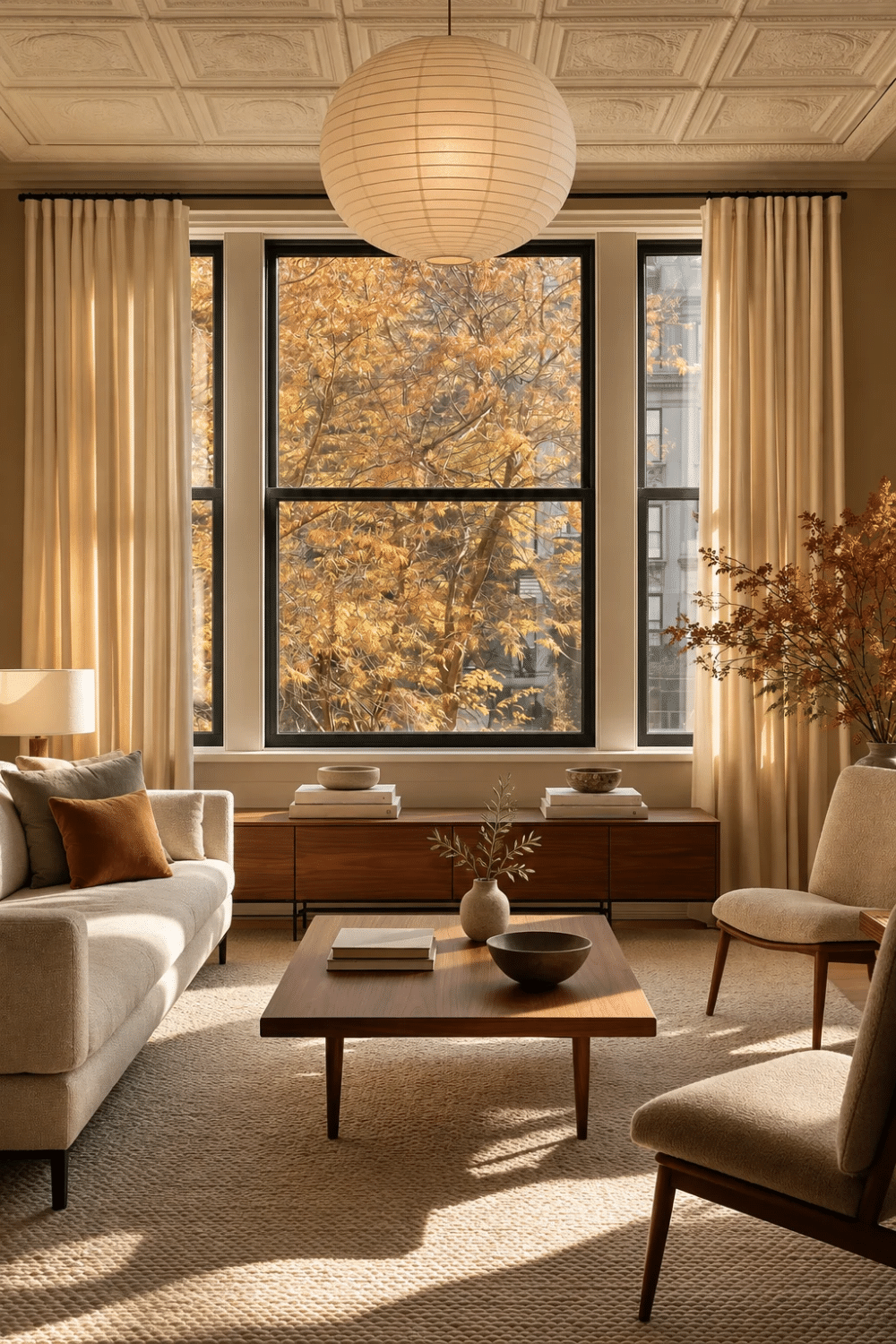
When Beautiful Does Not Feel Peaceful
Have you ever finished decorating a room, stepped back, and loved what you saw, only to realize that you still do not quite want to stay there? Everything may look beautiful, the furniture feels thoughtfully chosen, and the styling seems complete, yet something in you never fully settles. That disconnect is one of the most interesting parts of calming home design: sometimes your eyes approve of a room before the rest of you does.
When that happens, it is easy to assume the room needs something else. You adjust the accent pillows, restyle the coffee table, move the furniture around, or start searching for the next piece that might finally make everything click. But the problem may not be that the room is missing anything at all.
Sometimes, it is asking too much from you.
A bright light you barely notice. Too many objects competing for attention. A room that sounds harsher than it looks. A sofa that photographs beautifully but never feels quite comfortable. None of these details may seem significant on their own, yet together they can create a subtle sense of effort when what you really want from home is ease.
Ahead, we are looking at four sources of sensory load that can hide inside even the most beautifully designed rooms, along with small ways to soften them. You may not need to redecorate your space at all. You may simply need to notice what has been quietly keeping you from relaxing in it.
Visual Competition: When Everything Is Asking to Be Noticed
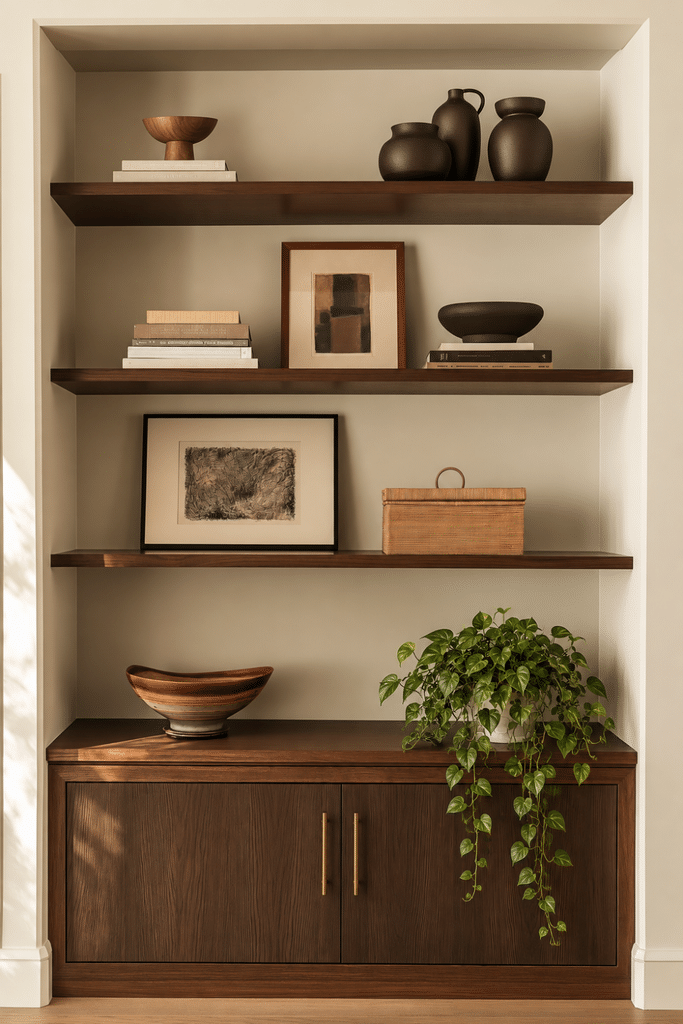
A room can be beautifully styled and still feel strangely tiring. Sometimes the issue is not mess, but too many things asking for attention at once. When every shelf, pillow, artwork, and accessory wants to be noticed, the eye never quite gets a chance to settle.
Calming home design is not necessarily about owning less. It is about creating hierarchy, giving the eye somewhere to land first, and allowing quieter areas around it. Grouping objects, reducing visual clutter, and leaving a little negative space can make a room feel calmer without stripping away its personality.
To reduce visual competition without making the room feel bare:
- Choose one clear focal point and let surrounding elements support it.
- Clear one visually busy surface.
- Group small objects instead of scattering them.
- Give patterned textiles and artwork more breathing room.
- Hide cords and everyday utility items where practical.
- Leave some surfaces partially empty.
A restful home can still feel collected and layered. The goal is not minimalism. It is giving beautiful things enough space to be appreciated.
Styling Note: Before filling an empty area, leave it alone for a few days. The room may not be unfinished. Your eyes may simply appreciate the pause.
Lighting Fatigue: When the Room Never Quite Softens
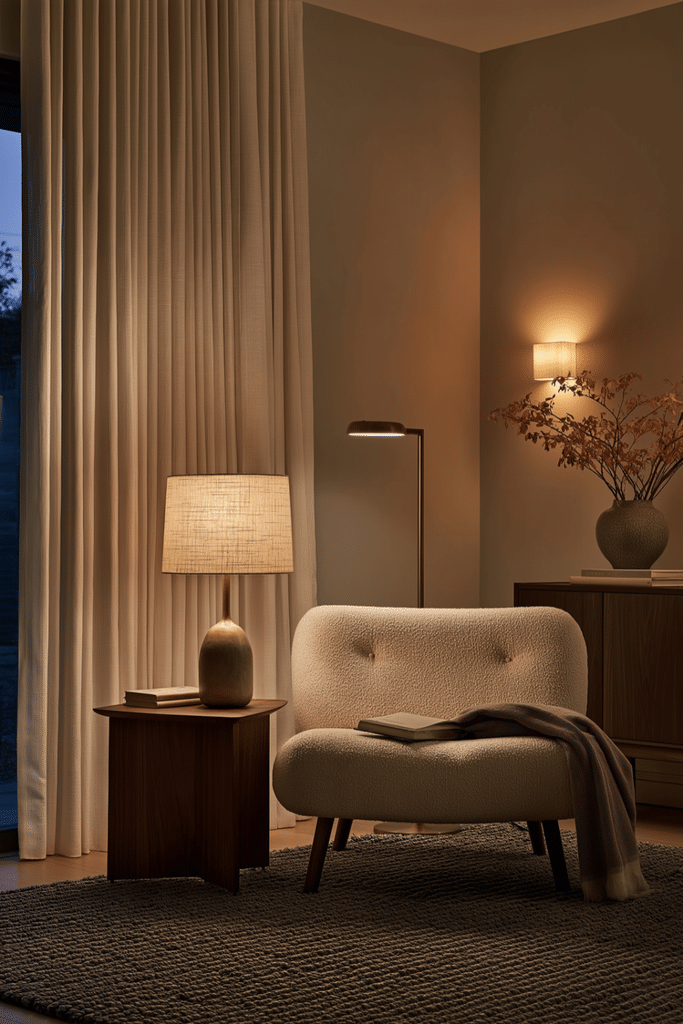
A room can have plenty of light and still feel tiring to be in. Sometimes the problem is not brightness itself, but sameness. One strong overhead fixture, a glaring bulb, or cool light washing every surface equally can keep a room feeling alert when what you really want is for it to soften.
Layered lighting works because different parts of the room need different kinds of light. A reading chair needs focused illumination, while a sofa or corner may only need a gentle glow. Lampshades, diffused bulbs, and lower light sources create contrast and help the room transition naturally from daytime activity into evening rest.
To make your lighting feel softer and more supportive:
- Spend one evening without the main overhead fixture.
- Add a lamp where the room falls into an uncomfortable dark pocket.
- Check for glare from bulbs, screens, or reflective surfaces at seated eye level.
- Use several lower light sources instead of one intensely bright source.
- Choose lighting based on what actually happens in each part of the room.
- Let evening lighting gradually lower the energy of the space.
A relaxing living space should not feel exactly the same at 8 p.m. as it does at 2 p.m. When the light softens with the day, the room begins to feel like it is winding down with you.
Styling Note: Sit where you usually relax and look toward every light source. If a bulb or reflection hits your eyes directly, the fixture may need adjusting even if it looks beautiful from across the room.
The Sound of the Room: When Quiet Still Feels Noisy
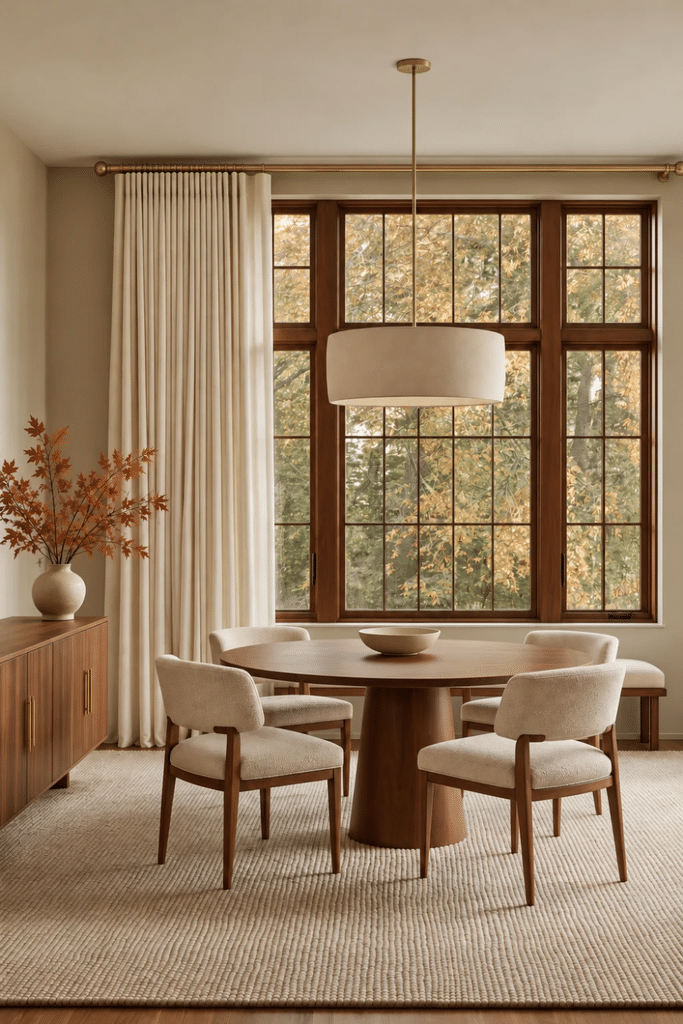
Sometimes a room looks peaceful but never quite feels quiet. You may not consciously notice the hum of an appliance, traffic outside, or the way footsteps and conversation seem to bounce around the space, yet those small sounds can make it harder to fully settle.
Calming home design also considers what a room sounds like, not only what it looks like. Hard surfaces such as large windows, stone, bare walls, and wood floors reflect sound, while softer materials help absorb and diffuse it. The goal is not complete silence. It is creating enough acoustic comfort that everyday sounds feel softer and less competing.
To make a room feel quieter and more restful:
- Stand still for one minute and notice any persistent background noise.
- Add a substantial wool or textured rug to rooms with hard flooring.
- Use full curtains to soften sound around large expanses of glass.
- Introduce upholstered seating or other fabric surfaces into harder spaces.
- Relocate or soften especially noisy household equipment where practical.
- Resist automatically filling quiet moments with television or background audio.
A restful home can still hold music, conversation, rain, and the sounds of daily life. Quietness is less about removing sound completely and more about making the room feel gentle enough that those sounds do not compete for your attention.
Styling Note: Clap once in the room and listen. If the sound feels sharp or seems to linger, another soft surface may improve the space in a way you can feel before you consciously understand why.
Physical Friction: When the Room Looks Comfortable but Is Not
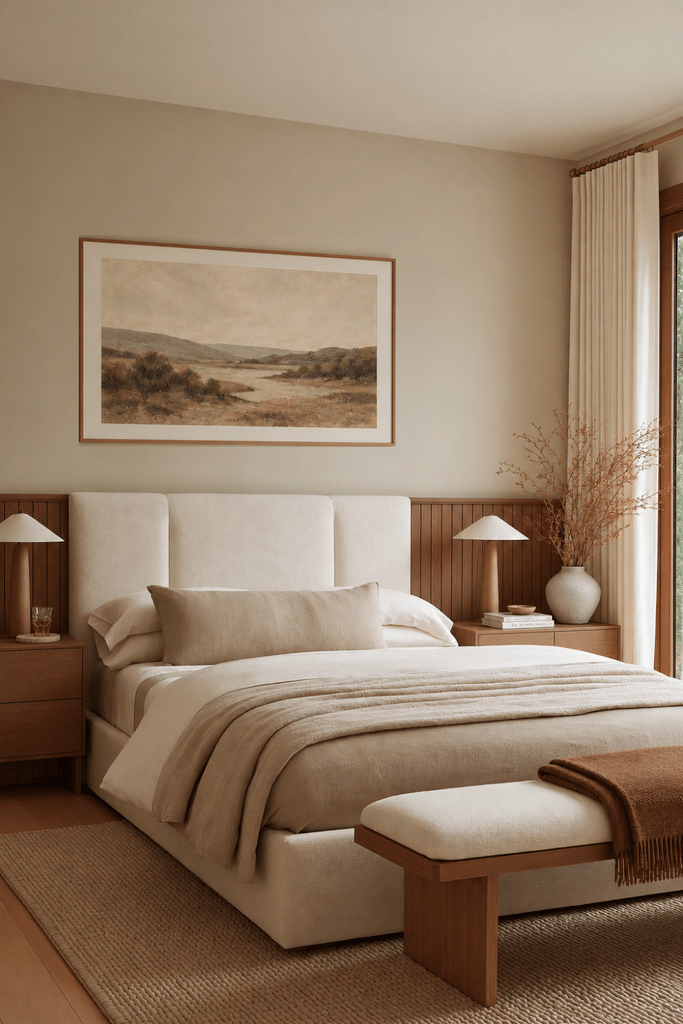
A room can look soft, polished, and inviting, yet still ask your body to work around it. Maybe the sofa never feels quite right, the coffee table is always in the way, or you have to move three accent pillows before you can actually sit down. These small inconveniences may seem minor, but repeated over time, they can quietly make a room feel less restful.
At its most useful, calming home design removes small points of friction so the room supports you without constantly asking for adjustment. Comfort should be designed, not assumed. A beautiful space works best when the furniture, lighting, textiles, and layout make everyday living feel easier.
To spot physical friction in your room, ask yourself:
- Can I sit here comfortably for an hour?
- Can I reach a lamp or set down a drink without getting up?
- Does anything scratch, wobble, glare, or interrupt the way I move through the room?
- Am I constantly moving pillows, furniture, or decor before using the space?
- Are curtains, switches, and everyday essentials easy to reach?
- Does the furniture actually support the way I use the room?
A peaceful interior is not one where every detail is perfect. It is one that quietly anticipates your needs, so you can settle in without thinking about what needs to be moved, adjusted, or fixed first.
Styling Note: Ask yourself, What small annoyance have I learned to tolerate in this room? Fix that before buying another decorative object.
A Calmer Room May Need Less From You
When a beautiful room still feels draining, the answer may not be more decor. Sometimes the real issue is visual competition, lighting fatigue, background sound, or small physical frustrations that quietly make the space harder to relax in.
The most thoughtful calming home design is often less about adding another beautiful object and more about removing the small forms of friction that keep a room from truly letting you rest. Start small. Clear one surface, soften one light, add one sound-absorbing textile, or fix the little annoyance you have learned to work around.
A beautiful room catches your eye. A restorative room allows your attention to soften. Before asking, What should I add? try asking, What is this room asking too much of me?
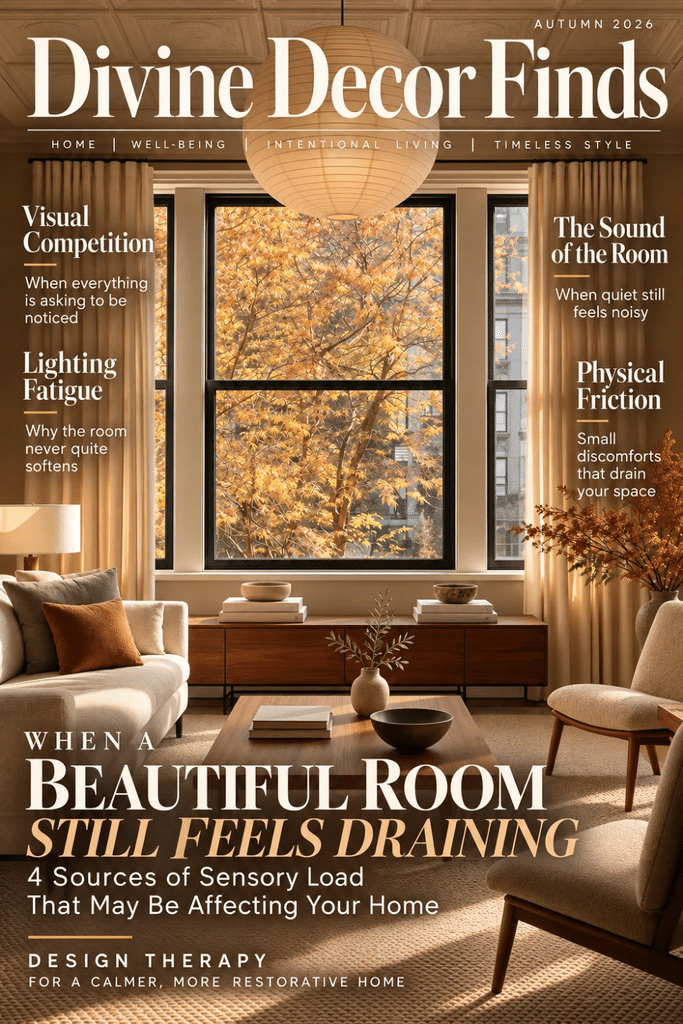
Save this post to Pinterest for the next time a beautiful room feels more draining than restful.
Explore more Design Therapy on Divine Decor Finds for thoughtful ways to create a home that feels calmer, more supportive, and beautifully yours. 🌿
Leave a Reply