A Softer Shift Into February
Early February carries a quieter, in-between kind of energy. The rush of January has passed, but winter still lingers, often bringing a sense of visual heaviness or fatigue at home. This is the moment many of us start craving spaces that feel easier to be in, not because they look different, but because they feel lighter. In this season, learning how to make your home feel lighter isn’t about starting over or changing everything at once. It’s about softening what’s already there and allowing your space to breathe again.
Rather than a reset or a full overhaul, this shift is rooted in gentle, low-pressure styling choices. The focus isn’t on adding seasonal decor or chasing a new look, but on creating emotional lightness through intention. Small edits, subtle adjustments, and thoughtful restraint can make a home feel calmer and more supportive as winter begins to loosen its grip. In this post, we’ll explore simple ways to ease into February with intention over perfection, creating a home that feels lighter, calmer, and easier to live in right now.
Release Visual Weight Before Adding Anything New
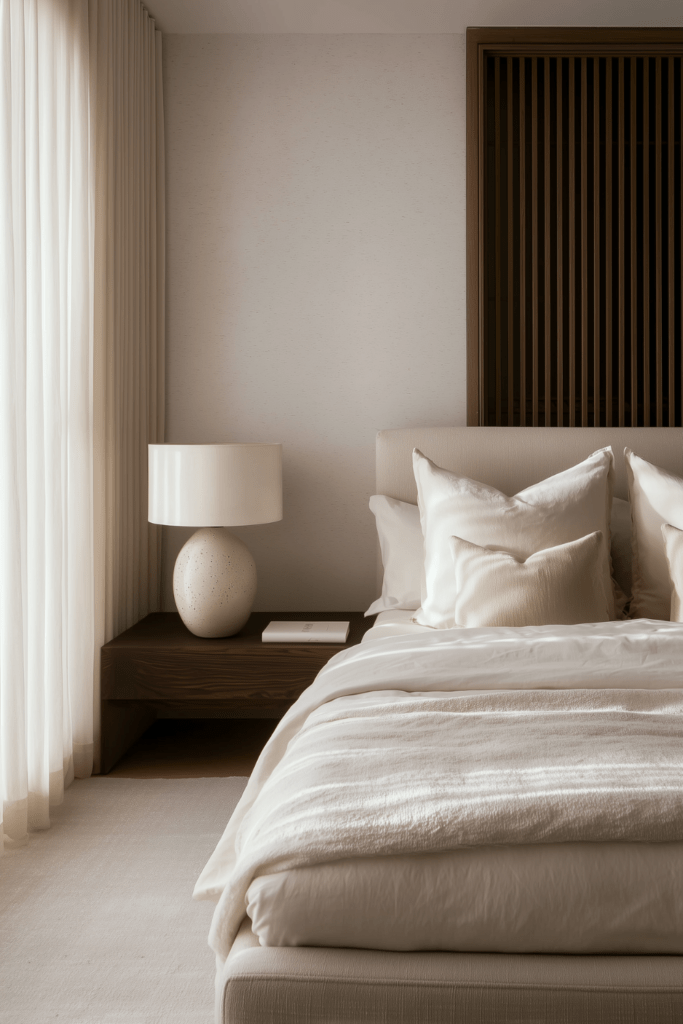
Late winter has a way of making visual heaviness feel more noticeable. When days are still shorter and we’re spending more time indoors, crowded surfaces and excess decor can quietly drain our energy. Even beautiful objects can begin to feel overwhelming when there’s too much competing for attention. This is often why homes start to feel heavier rather than comforting as winter lingers.
Before decorating or bringing anything new into your space, start by editing. Gentle winter home updates don’t begin with more; they begin with less. Subtraction creates room for the eye to rest and allows the home to feel calmer without effort.
A few simple shifts can make an immediate difference:
- Style fewer surfaces so the space feels open and breathable
- Remove unused or purely decorative items that no longer serve a purpose
As visual noise is reduced, the room naturally feels lighter and more intentional. Calm winter home ideas often rely on restraint rather than layering. When you allow space around the things you keep, warmth and texture have a chance to stand out instead of competing for attention. This quiet approach to editing creates a sense of ease that sets a calm foundation for the rest of your late-winter styling.
Lighten the Palette Without Changing Everything
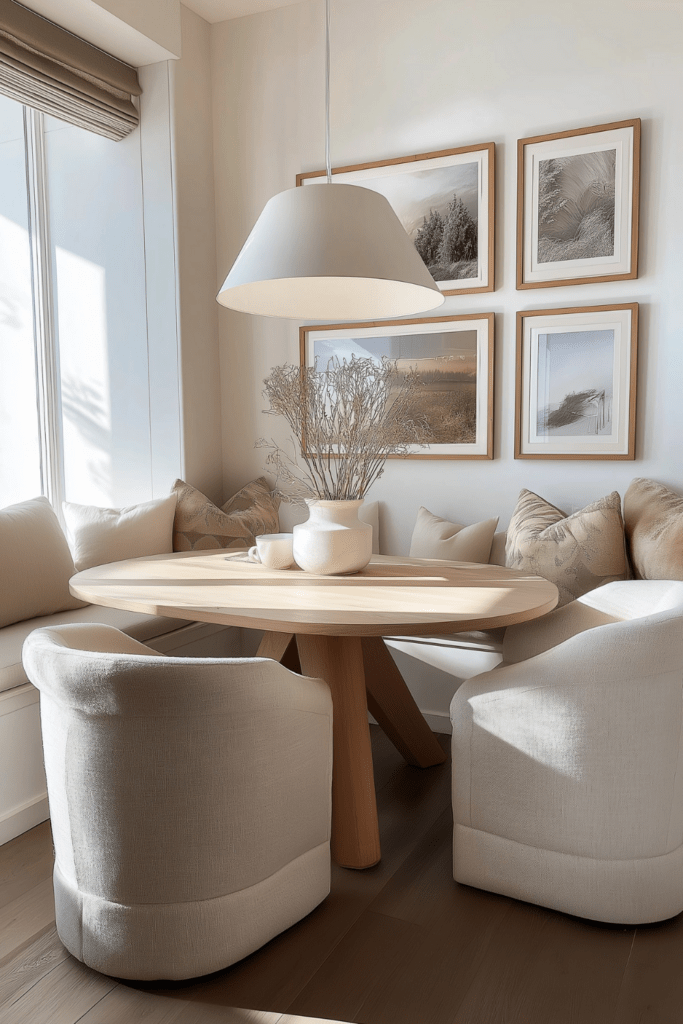
Color and tone play a quiet but powerful role in how a home feels, especially in late winter. Dark, heavy hues that once felt grounding in early winter can begin to feel visually weighty as the season stretches on. Even small shifts in color can change the emotional tone of a space, helping it feel lighter and easier without requiring a full redesign.
Rather than replacing furniture or repainting, focus on subtle adjustments using what you already own. Soft winter decor ideas often begin with textiles and accents that can be easily swapped or re-layered:
- Bring in lighter textiles like linen, cotton, or softer knits
- Lean into softer neutrals that reflect light more gently
- Temporarily remove dark or heavy accents to give the space room to breathe
These changes don’t strip a room of warmth. Instead, they create balance. Cozy yet minimal interiors rely on softness and restraint, allowing light and texture to do the work rather than bold contrast. By lightening the palette in small ways, you create a calmer visual flow that feels intentional and supportive as winter slowly transitions toward spring.
Let Natural Light Lead Where Possible
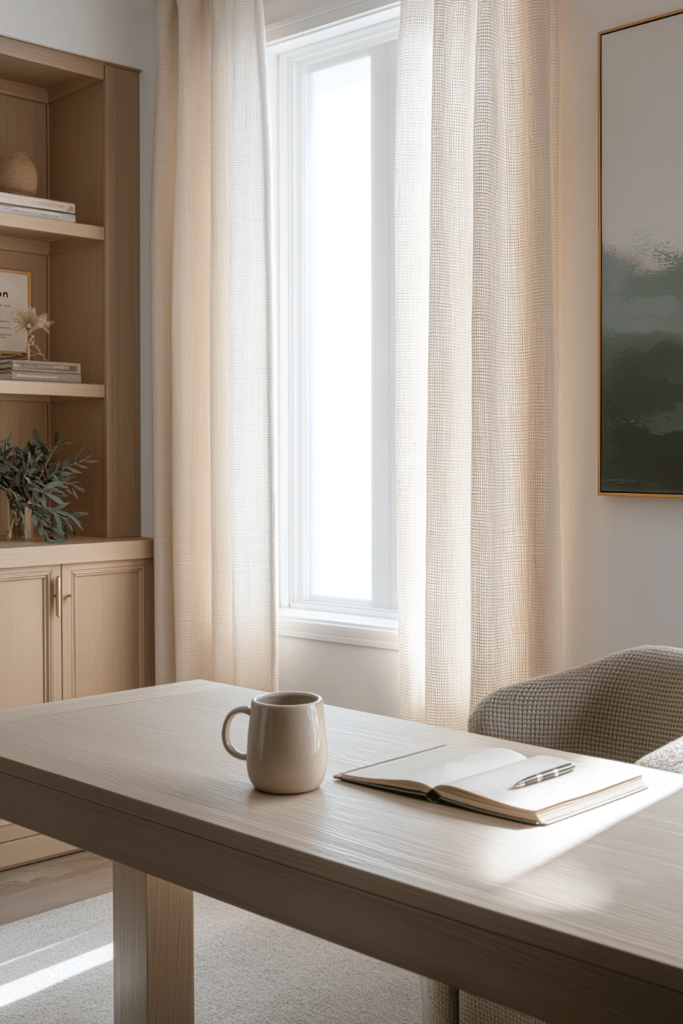
By February, the quality of winter light begins to shift almost imperceptibly. Days stretch just a bit longer, and even small changes in natural light can have a noticeable effect on mood and energy. Allowing that light to take the lead is one of the most supportive ways to ease your home through this seasonal transition.
Simple adjustments can help your space feel brighter and more open:
- Open curtains earlier in the day to welcome morning light
- Remove heavy window treatments where possible to reduce visual weight
- Keep window areas clear so light can move freely through the room
Natural light doesn’t just brighten a space visually. It also influences how we feel and how we move through the day. Spaces that welcome light tend to feel more uplifting and less stagnant, which is especially important in late winter. These gentle changes support easing seasonal home transitions by allowing the home to respond naturally to the shifting season.
Slow living home styling encourages working with what’s already present rather than forcing change. By honoring the gradual return of light, you create a home that feels responsive and alive, supporting steadier energy and a calmer rhythm as February unfolds.
Focus on One Area That Sets the Tone
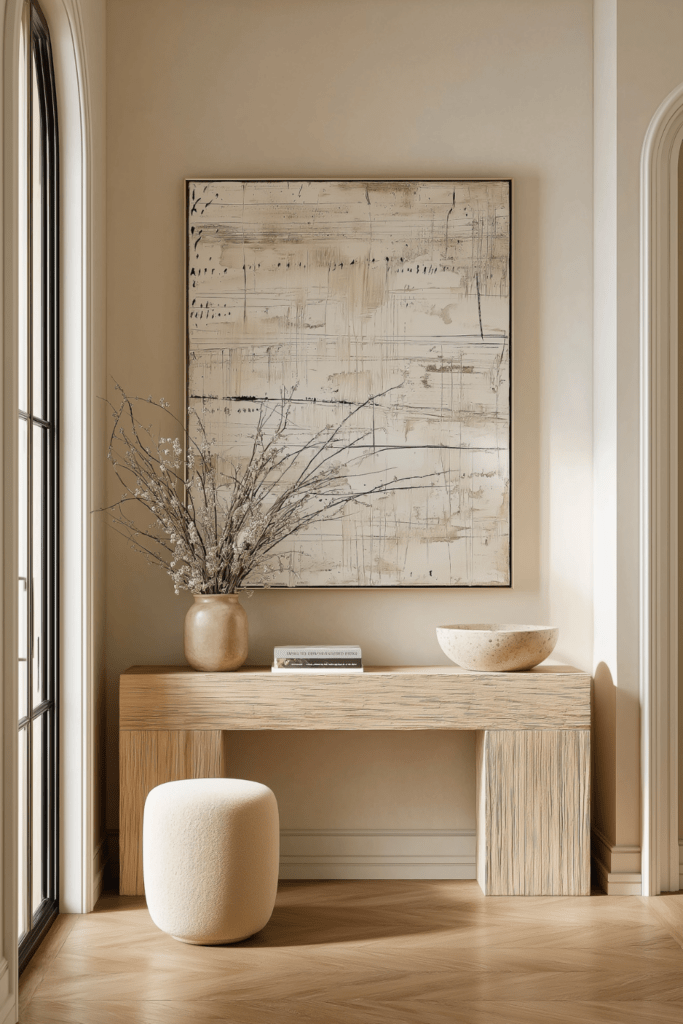
When a home feels heavy, it’s tempting to think everything needs to change at once. In reality, learning how to make your home feel lighter often starts with just one intentional spot. This is what I like to think of as a lightness anchor, a single area that quietly sets the emotional tone for the rest of the space.
A lightness anchor doesn’t need to be large or elaborate. It can be something simple and familiar:
- A coffee table styled with restraint and breathing room
- A reading chair positioned to invite pause and comfort
- An entry surface that feels calm and welcoming as you come and go
By focusing on one area, you remove pressure and create momentum. Intentional home styling works best when it feels achievable, not overwhelming. When one spot is thoughtfully edited and softened, the rest of the room often begins to feel lighter by association.
This approach supports creating a lighter home because it shifts your attention from fixing everything to caring for one space well. That single anchor becomes a visual and emotional cue, reminding you that ease doesn’t come from doing more, but from choosing where to begin with intention.
Swap Heaviness for Texture and Airiness
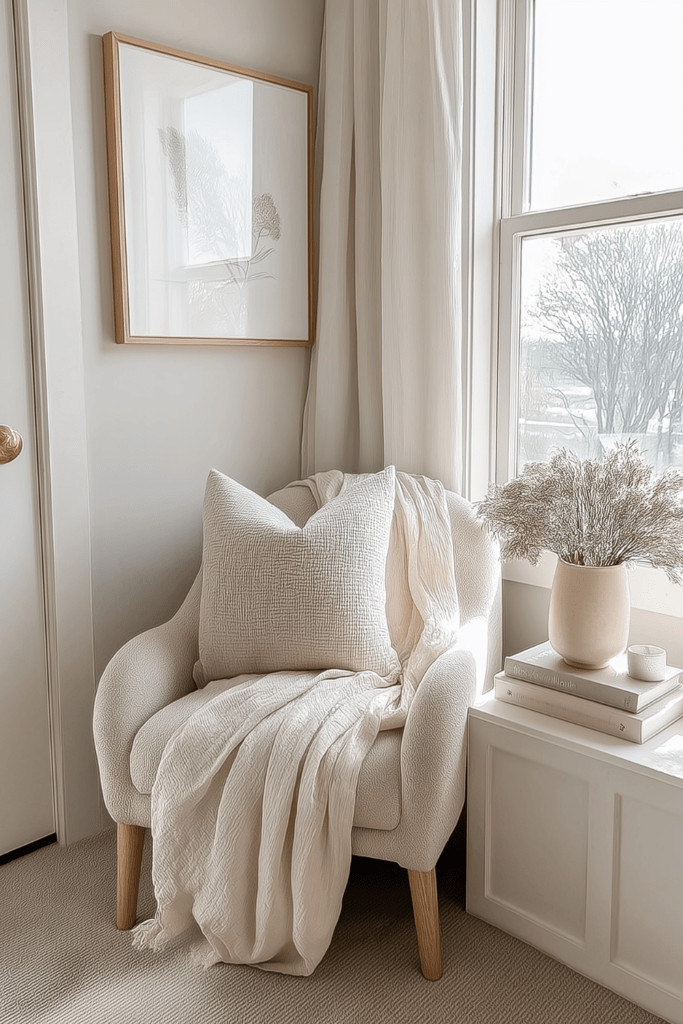
As winter begins to soften, this is a natural moment to reassess how weight shows up in your home. Heaviness doesn’t always come from color alone. It often comes from layers that feel dense, overworked, or no longer necessary for the season. Replacing visual weight with softness can help a space feel lighter while still remaining warm and inviting.
Rather than removing comfort, focus on adjusting how it’s expressed:
- Choose linen or cotton over heavier wool when possible
- Reduce the number of layered items so each piece has room to breathe
- Embrace more negative space to create visual calm
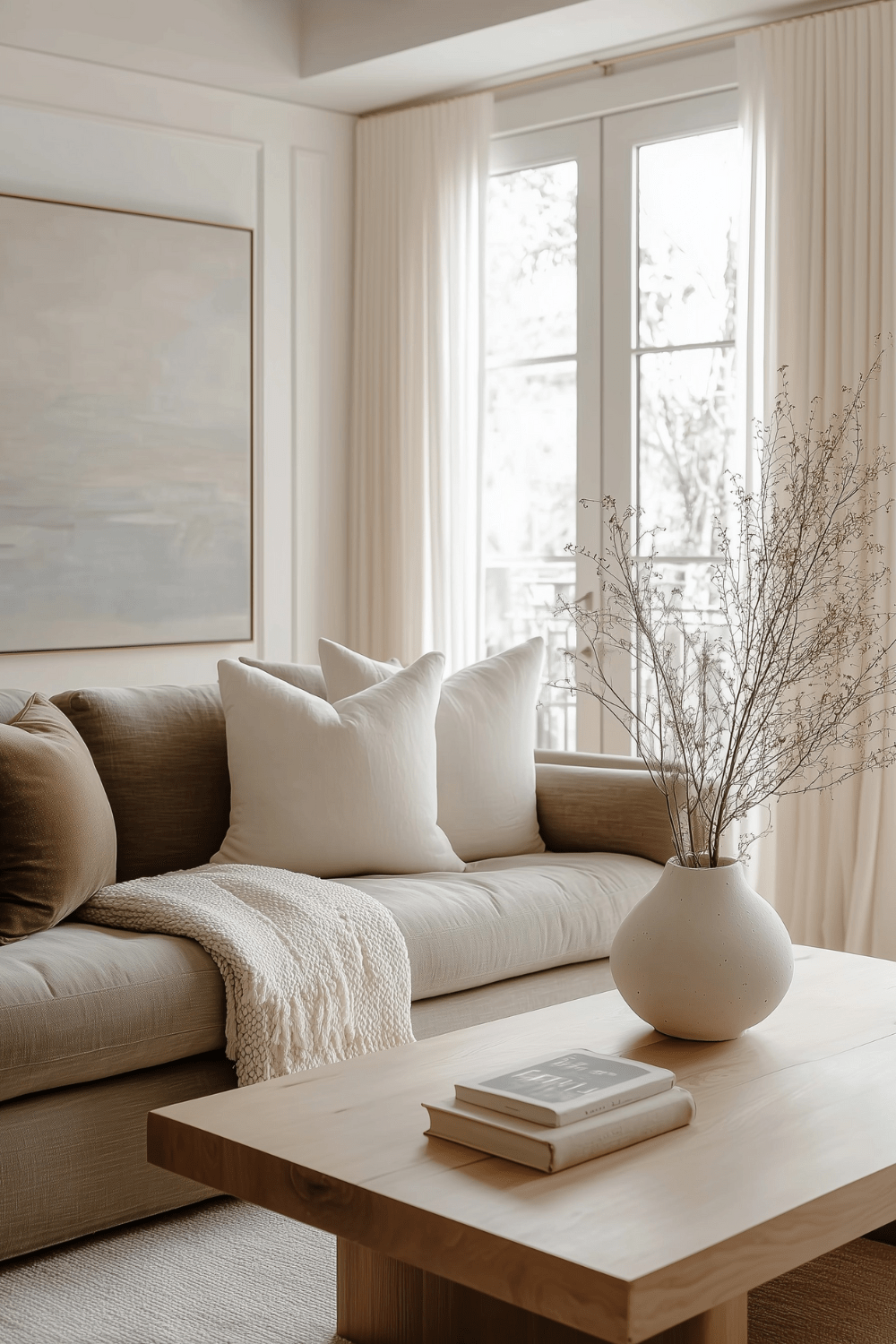
Soft winter decor ideas rely on texture rather than bulk. A lightly rumpled linen throw, a cotton pillow, or a woven shade can bring warmth without closing in the room. These materials catch light gently and create movement, which helps a space feel open instead of weighed down.
Cozy minimal styling is about balance. Texture adds depth and interest, but when it’s layered thoughtfully and with restraint, it never feels empty. Instead, the room feels intentional, breathable, and quietly comforting. By swapping heaviness for airiness, you allow your home to transition naturally into late winter with ease and softness rather than excess.
Style for Emotional Ease, Not Visual Perfection
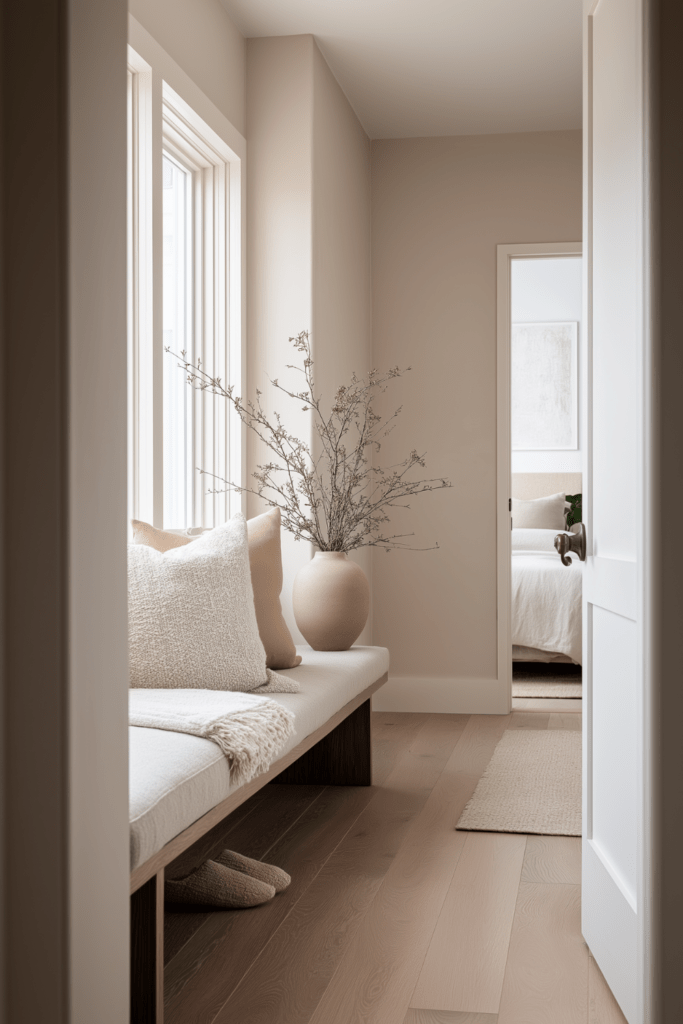
One of the most meaningful shifts you can make in late winter is letting go of the idea that your home needs to look perfect to feel good. Styling becomes lighter and more sustainable when it’s rooted in support rather than performance. In this season, learning how to make your home feel lighter is less about visual impact and more about how it feels to move through your space each day.
Emotional ease often shows up in small, practical ways:
- Clear pathways that allow you to move without navigating around clutter
- Everyday essentials kept within easy reach
- Fewer rules about how things should look or stay styled
Slow living home styling invites flexibility. A chair you can pull closer to the window, a blanket you don’t have to refold, or a surface that isn’t precious about staying untouched all contribute to a sense of ease. When your home supports your natural rhythms instead of asking you to maintain an image, it becomes a place of rest rather than responsibility.
Calm winter interiors are shaped by how effortlessly you can exist within them. When styling choices reduce friction and allow your routines to unfold naturally, the home feels lighter almost immediately. This kind of ease doesn’t come from doing more. It comes from allowing your space to work with you, creating comfort, clarity, and calm as winter slowly transitions forward.
Let the Home Transition Gently Toward Spring
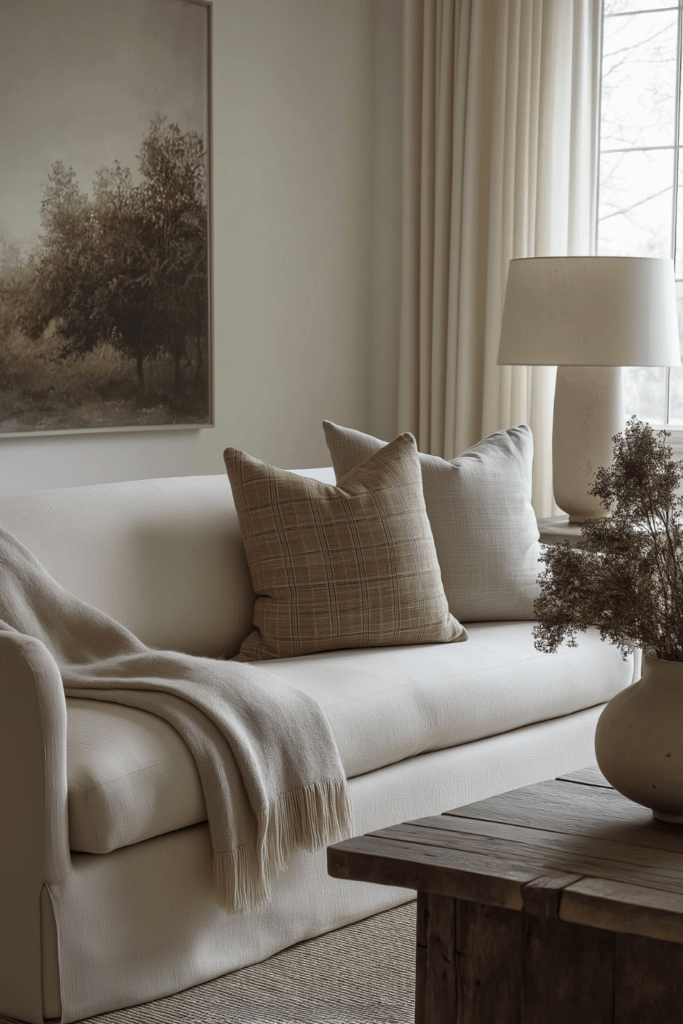
Late winter isn’t meant to be rushed. February sits in a quiet in-between space, and your home can reflect that same sense of patience and flexibility. Rather than pushing toward a full seasonal shift, allow your space to evolve gradually, responding to light, mood, and energy as they change.
This transition works best when it’s slow and observant:
- Make small, gradual changes instead of swapping everything at once
- Notice how each adjustment affects the way the space feels week by week
- Let comfort and intuition guide what stays and what shifts
Learning how to make your home feel lighter is not a task with a deadline. It’s an ongoing process shaped by awareness rather than urgency. Some weeks may call for more openness and light, while others still want warmth and softness. Both are part of easing seasonal home transitions.
February home styling is about honoring where you are right now, not where you think you should be. When you allow your home to move gently toward spring, it stays responsive, supportive, and calm, offering steadiness through the final stretch of winter and into what comes next.
A Home That Feels Easier to Live In
Creating a lighter home in late winter isn’t about doing more or making everything look different. True lightness comes from intention, not effort. When your space is shaped with care and restraint, even the smallest changes can ease how it feels to move through your day.
As you settle into February, approach your home gently:
- Start with one small change that feels supportive rather than overwhelming
- Use what you already own and rearrange it with intention
- Trust subtle shifts to create calm over time
A home that feels easier to live in is built slowly. Each thoughtful adjustment adds to a sense of ease, allowing calm to deepen without pressure or urgency. If this post resonated, save it to Pinterest for late-winter inspiration you can return to whenever your space feels heavy. Try one lightening shift this week, no matter how small. And for more slow living and Organic Modern inspiration, explore more posts here on Divine Decor Finds 🤍