When Minimalism Feels Like Home
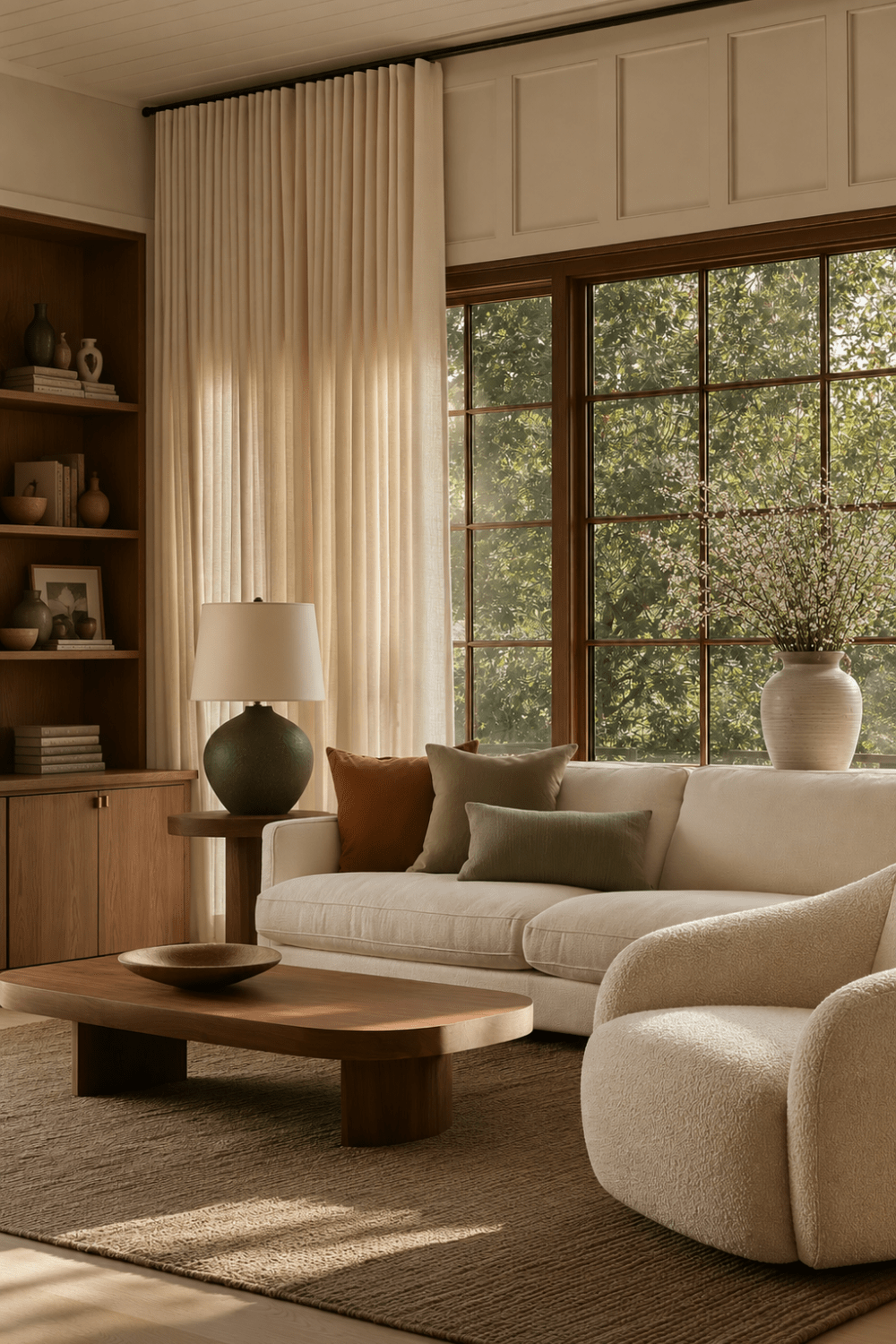
Have you ever walked into one beautifully simple room and immediately wanted to settle in, then stepped into another with just as little in it and wondered why it felt so… empty? Both spaces may have clean lines, uncluttered surfaces, and carefully chosen furniture, yet only one makes you want to stay awhile. That difference is what I find most interesting about cozy minimalist home ideas: simplicity alone doesn’t create comfort. Something deeper makes a pared-back space feel like home.
Having fewer things is only part of the story. A room can be beautifully edited and still feel disconnected if the furniture feels exposed, the materials lack contrast, or the space was designed around an aesthetic rather than the way you actually want to live in it. On the other hand, a simple room can feel incredibly warm and personal when every element contributes to the experience of being there.
So instead of focusing on what we need to remove, I want to explore what makes simplicity feel good. Through three thoughtful design principles, we’ll look at how the placement of furniture can create intimacy, how contrasting materials can bring richness to a restrained space, and how designing around a feeling can make even the simplest room feel deeply personal.
Because creating a peaceful home doesn’t mean sacrificing softness, personality, or comfort. Sometimes, having a little less around us simply gives us more room to feel at home.
1. Create a Sense of Enclosure
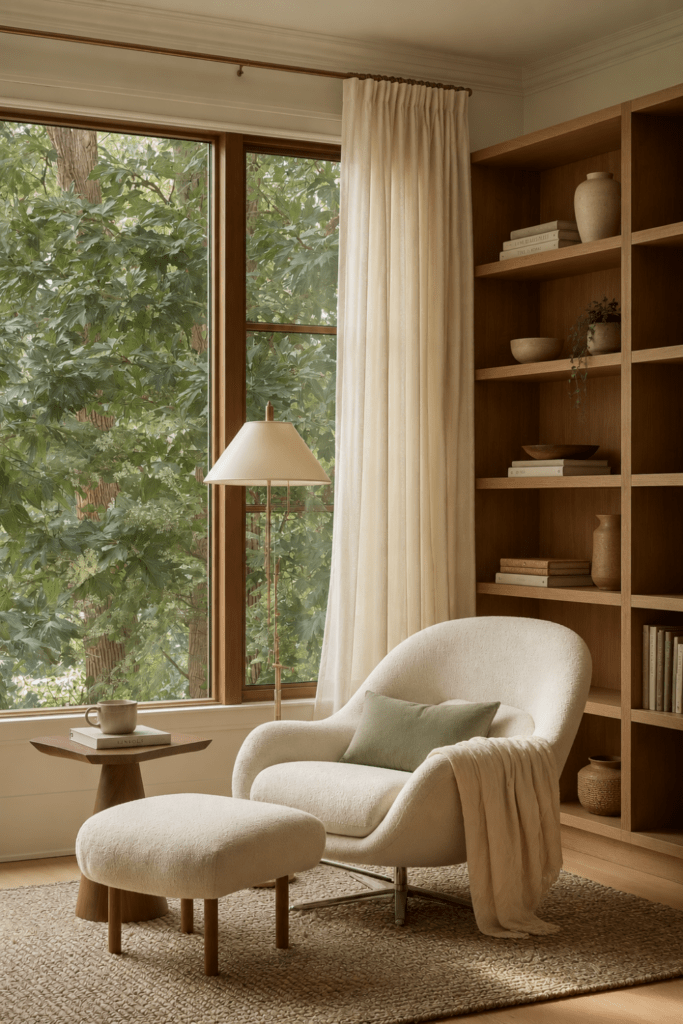
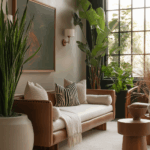
Have you ever noticed how certain corners of a home seem to invite you in? A chair tucked beside a window, a sofa nestled against a wall, or a breakfast nook glowing beneath a pendant can feel comforting before you even sit down. That feeling is an important part of cozy minimalist home ideas because warmth doesn’t always come from adding more. Sometimes, it comes from creating a subtle sense of shelter within the room.
There’s a design concept known as prospect and refuge. Simply put, we tend to feel comfortable when we can see the space around us while also feeling somewhat protected within it. In our homes, thoughtful furniture placement, lighting, and visual boundaries can create this feeling without making a room feel smaller or more cluttered.
To create a sense of enclosure without adding visual clutter:
- Anchor your sofa against a solid wall. This can make the seating area feel grounded rather than exposed or floating within the room.
- Create a tucked-away reading corner. Place a comfortable chair beside a bookcase or window to turn an unused corner into a small place of refuge.
- Define seating with a rug. A generously sized rug visually gathers furniture together and creates a cozy zone within a larger room.
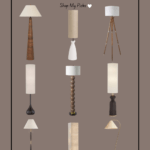
- Use lighting to create intimacy. A floor lamp beside a chair or pendant above a breakfast nook creates a warm pool of light that gives the area its own identity.
- Bring furniture into conversation. In an open-plan space, move chairs closer to the sofa rather than pushing everything toward the perimeter. The room can remain spacious while the seating feels more connected.
Creating a cozy home doesn’t require filling every empty corner. In fact, rearranging what you already own may create more comfort than adding another decorative object. When a room offers small places to read, sip tea, talk, or simply be still, minimalism begins to feel less like an aesthetic and more like a way of supporting everyday life.
Styling Note: Before buying something new, choose one spot in your home that feels a little exposed and experiment with its arrangement. Move a chair closer to a lamp, pull your seating onto the rug, or give your sofa a stronger visual anchor. Sometimes a few feet can completely change how a space feels.
2. Use Contrast to Make Simplicity Feel Rich
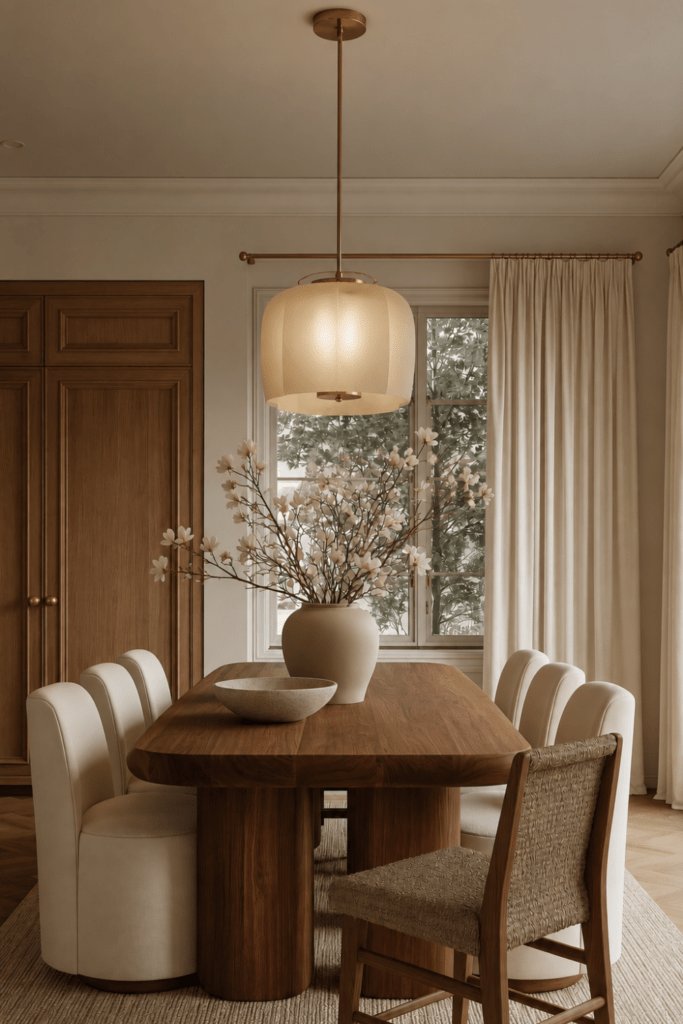
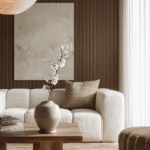
A simple room can contain very little and still feel incredibly rich. Often, the difference is in the materials. When there are fewer pieces competing for attention, you begin to notice the softness of linen, the grain of wood, the irregular surface of handmade pottery, and the quiet sheen of metal. These subtle contrasts give a restrained space warmth and character without asking you to add more.
This is especially important in Organic Modern interiors, where natural materials do much of the visual storytelling. When there are fewer things in a room, the differences between those things matter more. Smooth beside textured, refined beside imperfect, matte beside softly reflective. Contrast gives the eye something to discover, while repeating a material or tone elsewhere in the room keeps everything feeling connected.
To make a minimalist room feel richer through contrast:
- Pair smooth with weathered. Place a polished stone bowl on a weathered wood console or combine a sleek stone tabletop with visible natural wood grain.
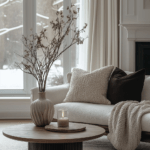
- Mix crisp and tactile textiles. Crisp linen upholstery feels softer and more inviting when paired with a nubby wool throw blanket, boucle chair, or woven rug.
- Balance handmade with refined. An imperfect ceramic vase beside a polished brass lamp creates a beautiful tension between artisan character and sophistication.
- Play with matte and subtle shine. Most surfaces can remain soft and matte, while aged brass, glazed pottery, or polished stone adds just enough reflection to bring the room to life.
- Create contrast with tone. Pale oak paired with natural walnut or dark bronze adds depth to warm neutral interiors without introducing a dramatic new color.
- Repeat materials for cohesion. Let one warm wood tone appear in a coffee table, picture frame, and small accent. Repetition creates a visual thread while the surrounding materials provide variety.
The goal isn’t to fill a room with every texture you can find. Intentional home design is often about choosing a few materials that feel beautiful together and allowing their natural qualities to be noticed. The irregular glaze of a ceramic bowl, a linen fold catching the afternoon light, or the grain running through a wooden table can make cozy minimalist decor feel distinctly human.
Styling Note: Try choosing three or four materials for a room, then look for contrast within that small palette. If everything feels equally smooth, pale, or matte, you may not need another decorative object. You may simply need one element that feels different beneath your hand.
3. Design Around a Feeling, Not a Look
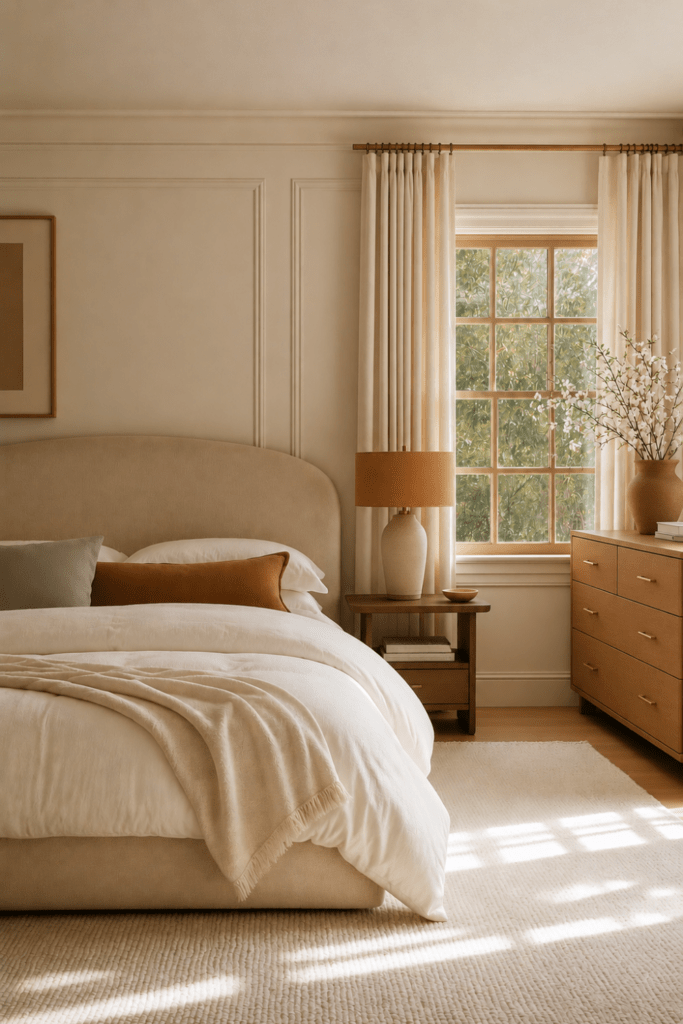
Before choosing the furniture, styling the shelves, or deciding what belongs on an empty wall, ask yourself one question: What do I want to feel when I’m here? Maybe you want your bedroom to feel restorative at the end of a long day, your breakfast nook to invite slower mornings, or your living room to help you unwind. When you begin with the feeling instead of the finished look, decorating becomes less about creating a picture-perfect room and more about creating a home that supports you.
This is where intentional home design can change the way you approach minimalism. Once you know how you want a space to feel and how you want to live in it, it becomes easier to decide what belongs there. A room designed for unwinding might need a comfortable place to sit, gentle lighting, somewhere to set a drink, and a peaceful view across the room. Anything beyond that becomes a choice rather than something you need to fill the space.
To design your home around how you want to feel:
- Name the feeling first. Choose a simple intention for the room, such as restful, welcoming, intimate, focused, or uplifting, and let it guide your decisions.
- Think about what you actually do there. A breakfast nook meant for slow mornings may need comfortable seating, natural light, a table for coffee, and one beautiful vase rather than layers of decorative accessories.
- Support everyday comfort. In a restorative bedroom, clear pathways, soft bedside lighting, comfortable bedding, and an uncluttered nightstand may contribute more to the atmosphere than additional décor.
- Question empty spaces before filling them. Instead of asking, What should I put here? try asking, Does anything need to be here at all? Sometimes leaving space untouched is exactly what the room needs.
- Make room for what matters to you. Books you return to, family photographs, handmade pottery, or an old wooden table can all belong in cozy minimalist home ideas. The goal isn’t absence. It’s intention.
Mindful decorating gives you permission to stop chasing someone else’s version of minimalism. Your home doesn’t need to be the emptiest, most perfectly styled space to feel peaceful. It simply needs to hold what supports your routines, your comfort, and the life happening within it.
Styling Note: When you’re unsure whether to add something to a room, ask what it contributes. If it makes the space more useful, meaningful, comfortable, or beautiful to you, it has a reason to be there. If it only fills an empty spot, consider letting that space breathe.
Less Noise, More Feeling
A warm, peaceful home doesn’t begin with adding more. Sometimes the most meaningful change is repositioning a chair so a corner feels more inviting, introducing one natural material that adds depth, or removing something that quietly competes with the atmosphere you’re trying to create. Even asking yourself what you want to feel in a room can change the way you see what belongs there.
You don’t have to rethink your entire home at once. Choose one room, or even one small corner, and notice how it feels. Could the furniture create a little more intimacy? Would one contrasting texture bring warmth? Is there something you could remove to give the pieces you love more room to breathe?
The beauty of cozy minimalist home ideas is that simplicity doesn’t have to mean living with less for the sake of less. It can mean creating more space for comfort, connection, quiet mornings, meaningful objects, and the everyday moments that make a house feel like home.
In the end, the goal isn’t an emptier home. It’s a home with less noise and more feeling.
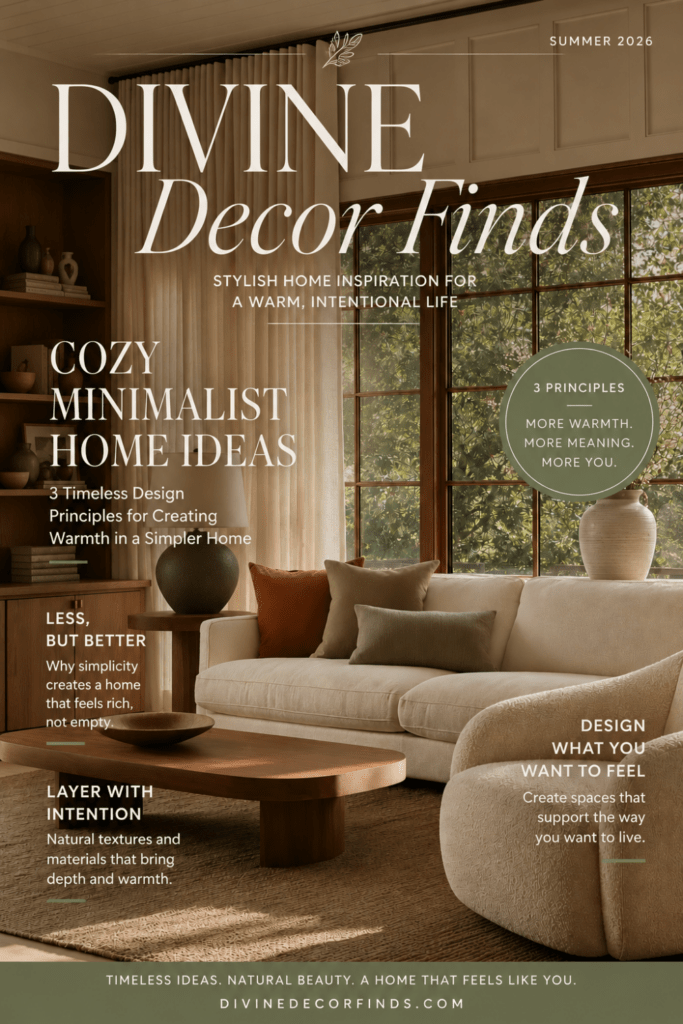
Save this post to Pinterest so you can return to these cozy minimalist home ideas whenever you need a reminder that creating a warm, peaceful space doesn’t require adding more.
If you’re looking for more thoughtful decorating ideas for creating a home that feels calm, intentional, and beautifully lived in, explore the Design Principles & Tips collection here on Divine Decor Finds.